
Osteoporosis causes bones to become weak and brittle, leading many patients to worry about their dental health. If you have been diagnosed with this condition, you may wonder if dental implants are a safe option for you. This article provides essential insights into how bone density affects your dental restoration journey.
1. What is Osteoporosis and How Does It Affect Dental Implants?
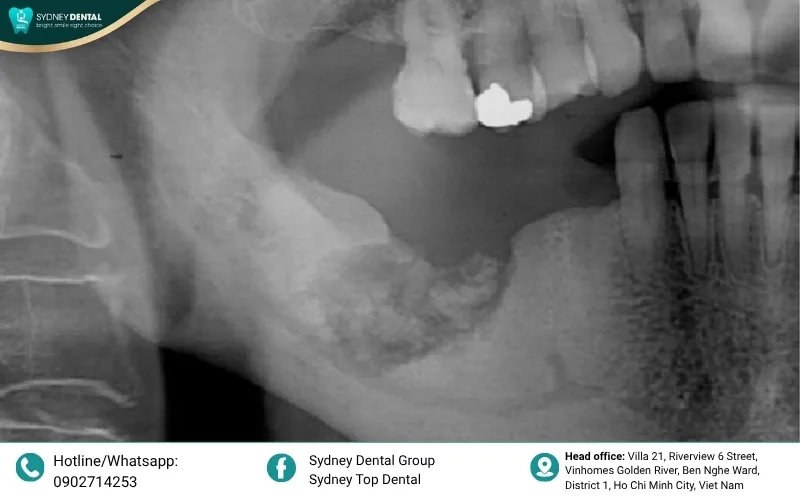
Osteoporosis is a systemic skeletal disorder that reduces bone mass and structural integrity throughout the body. Understanding its impact on the jaw is crucial for anyone considering permanent tooth replacement.
1.1. The Connection Between Jawbone Density and Implant Stability
Dental implants rely heavily on the density of the jawbone to remain secure and functional. When bone quality is low, the implant may struggle to bond correctly with the surrounding tissue. This stability is the most important factor in the long-term success of any dental implant procedure.
Low bone density can lead to a slower healing process or potential instability of the titanium post. If the bone is not strong enough, it may fail to hold the implant firmly in place under chewing pressure. Therefore, assessing bone health is a mandatory step before any surgeon begins the procedure.
1.2. How Does Osseointegration Occur?
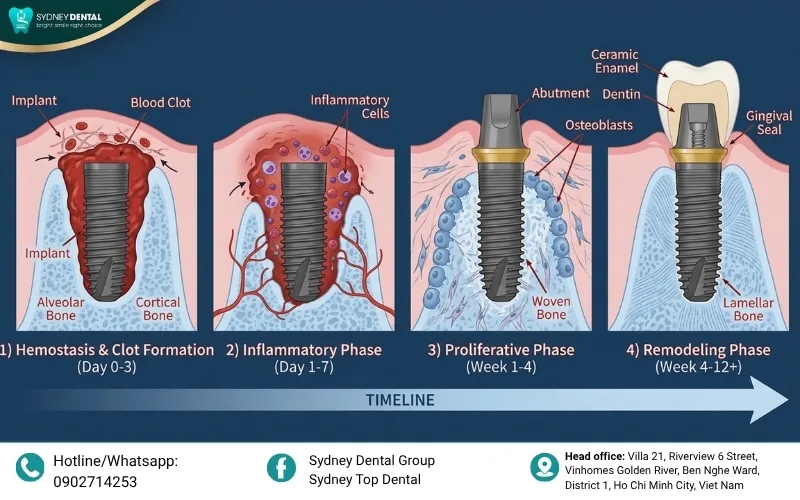
Osseointegration is the biological process where the jawbone grows and fuses directly with the surface of the dental implant. This process creates a rock-solid foundation, allowing the artificial tooth to function just like a natural one. It typically takes several months for the bone to fully encapsulate the titanium post.
During this period, the body’s natural healing cells migrate to the site of the implant to begin bone remodeling. These cells create a tight, permanent bond between the living bone and the metal surface of the implant. Successful osseointegration is the primary requirement for a functional and pain-free dental restoration.
However, in patients with osteoporosis, this biological integration can sometimes be delayed or less predictable. If the bone tissue is compromised, the body may take longer to recognize the implant as a stable anchor. Consequently, specialized planning is required to ensure the biological bond forms correctly despite the underlying condition.
2. Can You Get Dental Implants if You Have Osteoporosis?
Many patients with osteoporosis can safely undergo dental implant surgery with the right medical planning. By working closely with a skilled implantologist, you can achieve excellent results even with low bone density.
2.1. Cases Where It Is Safe to Proceed
If your osteoporosis is well-managed through medication or lifestyle, you are likely a good candidate for implants. Surgeons often perform a simple bone density scan to determine if the jaw can support a titanium post. Patients who maintain healthy oral hygiene and stable systemic health often see high success rates.
When your bone metabolism is under control, the risk of implant failure drops significantly. Many people with mild to moderate bone loss have successfully received implants without any major complications. The key is to demonstrate that your bone can still support the process of osseointegration effectively.
2.2. Factors to Consider Before Surgery
Before undergoing surgery, your dentist must evaluate several factors to minimize any potential risks to your jaw health. Proper preparation ensures that the procedure is not only successful but also safe for your long-term bone structure.
- Current bone density levels: Determined by specialized imaging tests.
- Medication history: Specifically regarding bisphosphonates or other bone-strengthening drugs.
- Overall nutritional status: Ensuring sufficient levels of Calcium and Vitamin D.
- Oral hygiene quality: Reducing inflammation that could affect bone healing.
These factors help your dentist create a custom treatment plan tailored to your specific physical condition. Open communication about your health history is the most important step to prevent post-surgical issues.
3. Effects of Osteoporosis Medication (Bisphosphonates) on Surgery
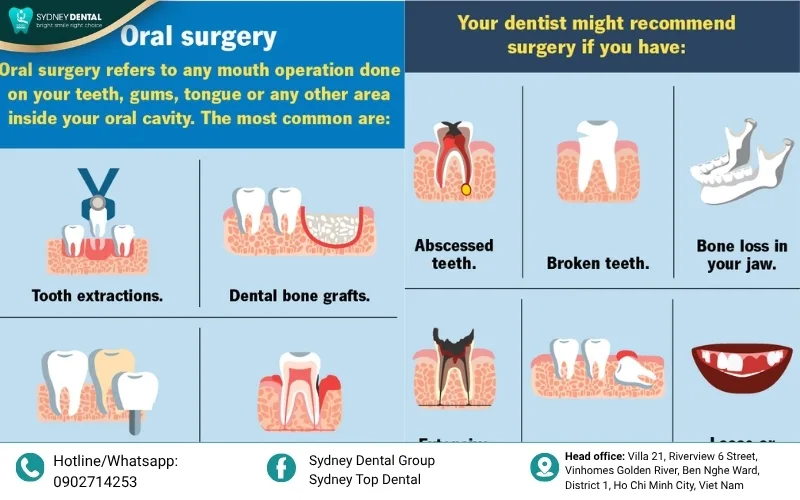
Drugs used to treat bone density loss can sometimes have side effects that interfere with oral surgery. It is vital to discuss your specific medication regimen with your dentist well in advance.
3.1. The Risk of Jawbone Necrosis (BRONJ) – Facts You Should Know
Bisphosphonates can occasionally impact the blood supply to the jawbone after a surgical procedure. This can rarely lead to a condition where the bone fails to heal, known as osteonecrosis. While this risk is generally low, it remains a critical point for dental surgeons to monitor.
Patients on high doses of intravenous bisphosphonates are at a higher risk than those taking oral medications. However, most dental professionals can manage this risk through careful planning and screening. Being aware of this condition helps both you and your doctor prioritize your long-term bone health.
3.2. Advice on Pausing Medication Before Implants
Many dentists may suggest a temporary “drug holiday” from your osteoporosis medication before the surgery. This allows your jawbone to be in a better state to heal and integrate with the implant. Always consult your primary care doctor before changing any of your prescribed medication schedules.
A coordinated approach between your dentist and your medical specialist provides the safest path forward. Stopping the medication for a short period can significantly improve the healing environment for the implant. Your medical team will decide the best timeframe based on your specific health needs and medication type.
4. Safe Implant Procedures for Osteoporosis Patients
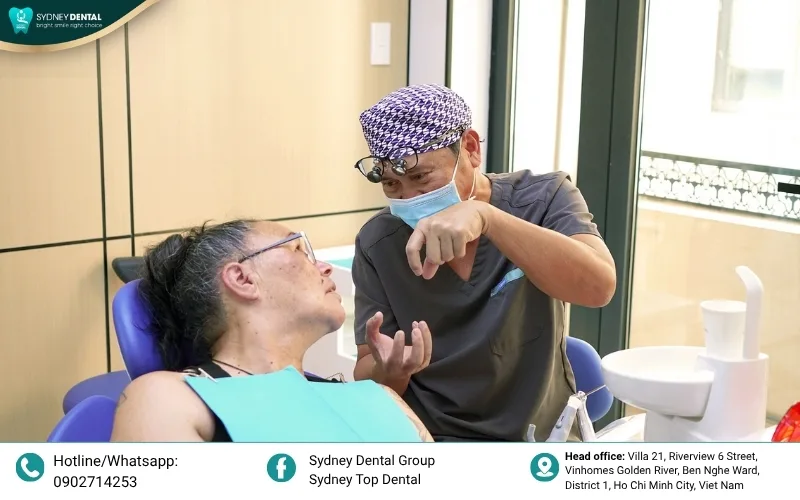
Modern dentistry offers advanced techniques that make it possible for almost anyone to regain their smile. These methods prioritize bone safety and long-term stability above all else.
4.1. Checking Bone Density and Overall Health
A thorough diagnostic phase, including a 3D Cone Beam CT scan, is the gold standard for assessment. This imaging allows the surgeon to visualize your bone structure in precise detail before making any incisions. It confirms if your bone has enough volume to support an implant safely.
Beyond imaging, a review of your blood work helps determine if your bone turnover rate is optimal. High-quality diagnostics reduce the margin of error and increase the confidence of both the patient and the surgeon. Skipping these checks could lead to complications, so prioritize these appointments.
4.2. Modern Techniques and Bone Support Materials
If your bone is thin, dentists often use bone grafting to provide the necessary structure for the implant. These advanced materials act as a scaffold, encouraging your natural bone to grow and strengthen in the target area. This allows implants to be placed in areas that were previously considered too fragile.
Today’s surgical tools allow for minimally invasive placement, which promotes faster healing and less trauma to the bone. By using smaller, more precise incisions, dentists can preserve the blood supply needed for successful integration. These innovative approaches have opened doors for patients who were previously told they were not candidates.
5. “Golden” Tips for a Successful Implant
Success relies on more than just the surgery; it depends on a partnership between you and your healthcare team. Following professional guidance is the best way to ensure your implants last for many years.
5.1. The Importance of Communicating with Your Osteoporosis Doctor
Your dental surgeon and the doctor managing your osteoporosis must share your health information. This partnership ensures that your dental treatment does not conflict with your overall bone management strategy. A synchronized team can provide the safest and most effective care for your unique situation.
Always provide a list of all your medications to your implant dentist during the first consultation. Do not withhold information about your osteoporosis diagnosis, as it helps the dentist avoid potential complications. Transparent communication is the foundation of a successful clinical outcome.
5.2. Care After Surgery to Maintain Implant Longevity
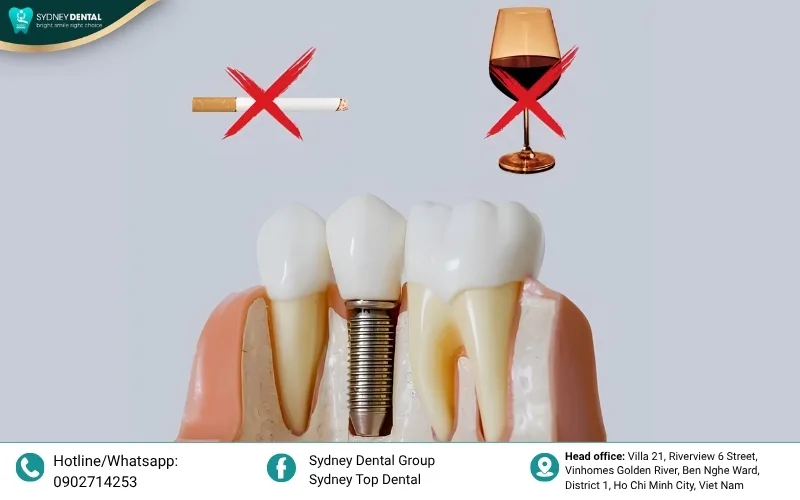
After the surgery, diligent oral hygiene and regular dental visits are necessary to keep the surrounding bone healthy. Smoking and poor nutrition can negatively affect the bone around your implant, so these should be avoided. Consistent cleaning prevents bacteria from causing inflammation that could weaken the bone.
Follow all post-operative instructions, including using recommended mouthwashes and keeping follow-up appointments. Protecting your dental implants is a lifelong commitment that directly supports your ongoing bone and oral health. With consistent care, your implants can remain strong and functional for a lifetime.
“A goal without a plan is just a wish.” — Antoine de Saint-Exupéry. By planning your dental journey carefully with professional guidance, you can overcome the challenges of osteoporosis and restore your smile with confidence. Consult with your local dental specialist today to explore the safest options tailored to your bone health.
Sydney Top Dental
📍 Address: No. 21, Riverview 6 Street, Vinhomes Golden River Villas, Ben Nghe Ward, District 1, Ho Chi Minh City
📞 Hotline: 090 271 42 53
🌐 Facebook: Sydney Top Dental


Our Doctors
Get a Free Initial Consultation