
Living with limb loss or missing teeth often feels like a constant battle against physical discomfort and daily limitations. Many people struggle with traditional prosthetics that cause skin irritation, pain, or a lack of stability during movement. Fortunately, medical science has introduced “osseointegration,” a modern miracle that allows artificial components to become a seamless part of the human body.
1. What is Osseointegration? Understanding the Concept
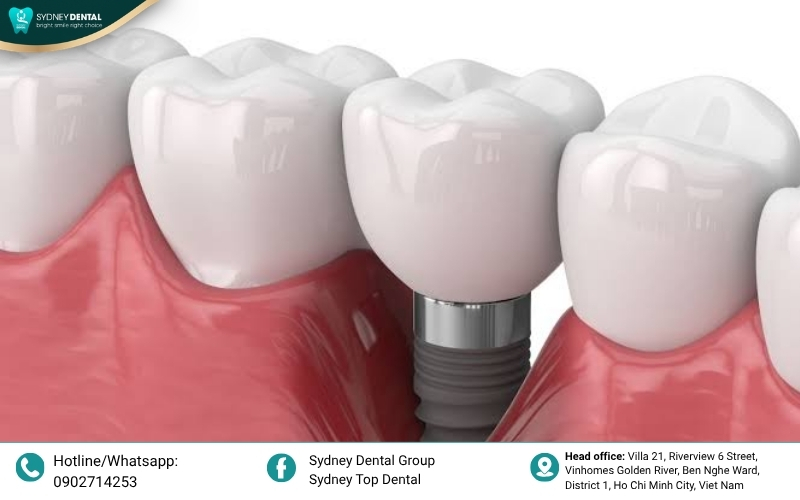
Osseointegration refers to the direct structural and functional connection between living bone and the surface of a load-bearing artificial implant. This process represents a revolutionary shift in how we approach both dental and orthopedic reconstruction.
1.1. The Biological Mechanism: When Bone “Connects” with Metal
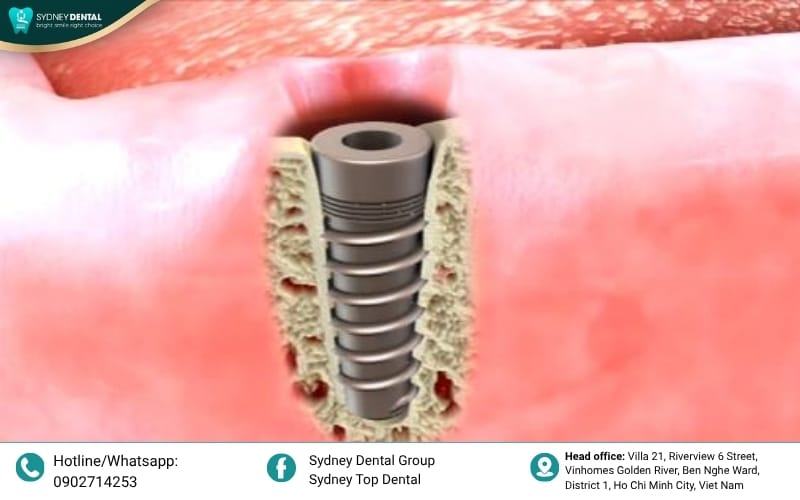
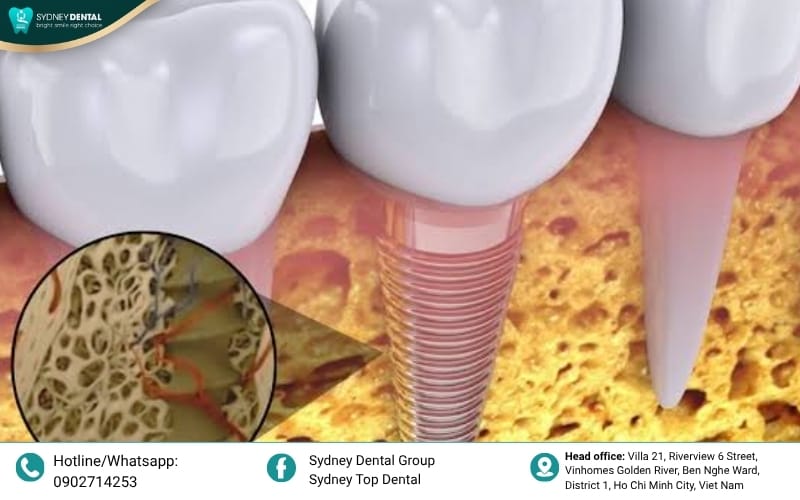
At its core, osseointegration occurs when bone cells, known as osteoblasts, grow directly onto the surface of a titanium implant. This biological bond creates a rigid interface that mimics the natural stability of a real tooth or bone. Once the healing phase is complete, the implant effectively becomes a permanent part of the patient’s skeletal system.
The success of this connection depends heavily on the biocompatibility of the titanium material used. Because the body does not perceive titanium as a foreign object, the surrounding bone tissue actively integrates with the implant’s surface. This process ensures that the implant can support significant physical loads without loosening over time.
Proper primary stability during the initial surgical placement is crucial for the long-term success of this integration. Surgeons ensure that the implant is placed with extreme precision to encourage rapid bone remodeling around the fixture. This unique biological anchoring is what sets osseointegration apart from any other type of prosthetic attachment.
1.2. History: From Accidental Discovery to Gold Standard
The concept was pioneered in the 1950s by Dr. Per-Ingvar Brånemark, who discovered the phenomenon while conducting orthopedic research on rabbits.
- 1952: Dr. Brånemark observes that titanium chambers in rabbit bone are impossible to remove due to bone growth.
- 1965: The first human dental implant is successfully placed using this technique.
- 1980s: Global acceptance of osseointegration as the “Gold Standard” for dental restoration begins.
- 1990s-Present: The application expands into orthopedic surgery for amputees, transforming prosthetic limb attachment.
2. Applications of Osseointegration in Modern Medicine
Modern medicine has embraced osseointegration as a standard solution for restoring both function and aesthetics in various fields. By bridging the gap between hardware and biology, this technology has significantly improved patient outcomes worldwide.
2.1. In Dentistry: Sustainable Solutions for Missing Teeth
Dental implants are the most common application of osseointegration, providing a permanent foundation for crowns, bridges, or dentures. Unlike traditional bridges that require support from adjacent teeth, osseointegrated implants act as artificial tooth roots. This method preserves the underlying jawbone density while providing a natural feel when chewing.
Patients who choose implants experience significant improvements in their ability to speak, eat, and smile with confidence. Because the implant replaces the tooth root, it stimulates the jawbone to prevent the bone loss typically associated with tooth extraction. This makes it the most effective way to restore long-term oral health and facial structure.
The long-term success rate for these dental implants is exceptionally high, often lasting for the patient’s entire lifetime. With proper oral hygiene, the integrated implant stays stable and functional, behaving exactly like a natural tooth. It is truly the gold standard for anyone seeking a durable and reliable solution for missing teeth.
2.2. In Orthopedics: Direct Skeletal Fixation
In the field of orthopedics, osseointegration allows for a prosthetic limb to be attached directly to the patient’s residual bone. This eliminates the need for a traditional “socket” or “cup,” which often causes friction, heat, and skin sores. By connecting the prosthesis directly to the skeleton, patients regain a higher level of control and comfort.
Patients using direct skeletal fixation often report that the prosthetic limb feels more like a part of their own body. Because the connection is rigid and stable, the patient can feel the floor or objects through the prosthesis, providing better balance. This level of integration is a significant leap forward compared to the limitations of traditional suction-socket prosthetics.
This surgical procedure involves placing a titanium implant into the marrow space of the amputated bone. Once the bone has fully integrated with the metal, a small component protrudes through the skin, allowing for the attachment of the artificial limb. This approach enables patients to walk more efficiently and participate in a more active, pain-free lifestyle.
3. Superior Benefits Compared to Traditional Methods
Moving away from outdated prosthetic technology offers life-changing advantages for patients seeking better mobility and comfort. Osseointegration focuses on enhancing the user’s sensory and physical connection to their prosthetic devices.
3.1. Overcoming the Pain of Traditional Sockets
Traditional prosthetic sockets are notorious for causing skin irritation, ulcers, and pressure sores due to the constant friction against the residual limb. These physical limitations often force users to take frequent breaks, which limits their mobility and daily productivity. Osseointegration removes this interface entirely, resolving these chronic issues once and for all.
Without the need for a socket, users no longer suffer from the heat and sweat buildup associated with wearing prosthetic sleeves all day. This change provides immense relief, allowing patients to wear their limbs for much longer periods without discomfort. By eliminating the source of constant pain, patients can finally focus on movement instead of managing wound care.
3.2. What is Osseoperception?
Osseoperception is the remarkable ability of the brain to “feel” vibrations and pressure through an osseointegrated implant. When an implant is fixed to the bone, the nervous system can detect small sensations through the osseous tissue. This sensory feedback is a vital feature that traditional, loose-fitting prosthetics simply cannot provide.
This neurological phenomenon allows patients to better judge the force they apply when grabbing objects or taking a step. By receiving this “hidden” sensory input, users gain a sense of security and improved coordination during everyday tasks. It turns the prosthetic from a passive tool into a more intuitive, functional extension of the user’s body.
3.3. Improving Flexibility and Quality of Life
Osseointegrated limbs allow for a much greater range of motion because they are not restricted by a bulky prosthetic socket. Users can sit, drive, and move more naturally without the fear of the limb slipping or feeling unstable. This newfound freedom encourages patients to lead more independent and adventurous lives.
Increased mobility leads to a direct improvement in overall physical health by encouraging more exercise and daily activity. When a patient feels confident in their prosthesis, they are more likely to participate in sports and social activities. This technology essentially restores the sense of “wholeness” that many individuals feel they have lost after an amputation.
4. Who is a Suitable Candidate for Osseointegration?
Determining the right candidate for osseointegration is a careful process involving surgeons, physical therapists, and specialists. Not everyone may qualify, as specific physical and health benchmarks must be met to ensure long-term success.
4.1. Meeting Health Standards
A successful candidate must have sufficient bone quality and volume to support the titanium implant securely. Doctors use advanced imaging like CT scans to measure the density of the bone and ensure it can withstand the stress of the prosthetic. A healthy immune system is also vital, as the body needs to properly heal around the metal interface.
Patients must show a high level of motivation and willingness to commit to a structured rehabilitation program after the surgery. Physical health regarding circulation and blood flow to the limb is critical for supporting the osseointegration process. A thorough medical evaluation will always be the first step to confirm if the patient is prepared for this life-changing procedure.
4.2.Important Contraindications to Consider
Individuals with uncontrolled chronic conditions, such as severe diabetes, may face higher risks of infection and poor healing. These conditions can interfere with the body’s ability to integrate the bone with the implant, making the procedure less successful. Smokers are also frequently advised to quit, as nicotine significantly slows down the body’s natural healing and bone-growth responses.
Additionally, those with severe osteoporosis or other bone-weakening diseases may not be eligible for this type of surgery. If the bone is too fragile, the implant may fail to achieve the required stability. A detailed discussion with a surgical specialist is essential to rule out these risks and plan for a safe recovery.
5. Surgical Procedure and Recovery Timeline
The journey to successful osseointegration is a multi-stage process that requires patience and dedication to follow-up care. Understanding the roadmap from surgery to independence is key for every patient involved.
5.1. The Surgical Process: What to Expect
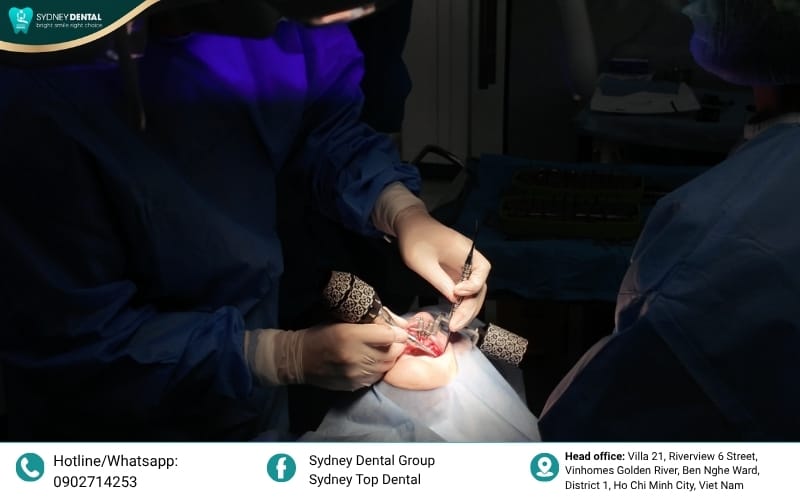
The surgery is typically performed in two distinct stages to ensure that the bone has enough time to heal properly. During the first stage, the surgeon places the main titanium fixture into the bone marrow and secures it firmly. This is followed by a healing period, usually lasting several months, where the bone grows onto the implant.
Once the bone has fully integrated, the second stage involves attaching a small connector that exits the skin surface. This connector serves as the bridge between the internal implant and the external prosthetic device. Surgeons prioritize sterility throughout both stages to prevent any post-operative complications and ensure long-term stability.
5.2. Rehabilitation and Physical Therapy
Post-operative rehabilitation is the most important phase for patients to regain full control over their new limb. Physical therapists work closely with patients to gradually increase the load applied to the implant, allowing the bone to strengthen over time. This controlled approach prevents overloading the interface and promotes healthy remodeling.
Patients will learn how to properly clean and maintain the skin-implant junction to ensure long-term success. Through dedicated training, the brain eventually adapts to the new sensory feedback, making the prosthetic feel more natural and responsive. Consistent follow-ups are scheduled to monitor progress and ensure the implant remains perfectly integrated with the skeletal system.
While osseointegration is a highly successful procedure, it is essential for patients to be aware of the potential risks and the path forward. By prioritizing long-term care and consulting with experts, you are taking the first step toward a more active and vibrant future. Take control of your recovery today-reach out to a specialist to see if you are a candidate for this life-changing technology!
Sydney Top Dental
Address: No. 21, Riverview 6 Street, Vinhomes Golden River Villas, Ben Nghe Ward, District 1, Ho Chi Minh City
 Address: No. 21, Riverview 6 Street, Vinhomes Golden River Villas, Ben Nghe Ward, District 1, Ho Chi Minh City
 Hotline: 090 271 42 53
 Facebook:


Our Doctors
Get a Free Initial Consultation