
Losing a tooth significantly impacts your ability to chew, speak clearly, and maintain facial structure over time. Replacing missing teeth promptly is essential to prevent bone resorption and further dental complications. Titanium dental implants have become the “gold standard” in modern dentistry, offering an unparalleled solution for restoring both functionality and aesthetics.
1. What Are Titanium Dental Implants? Why Choose Them?
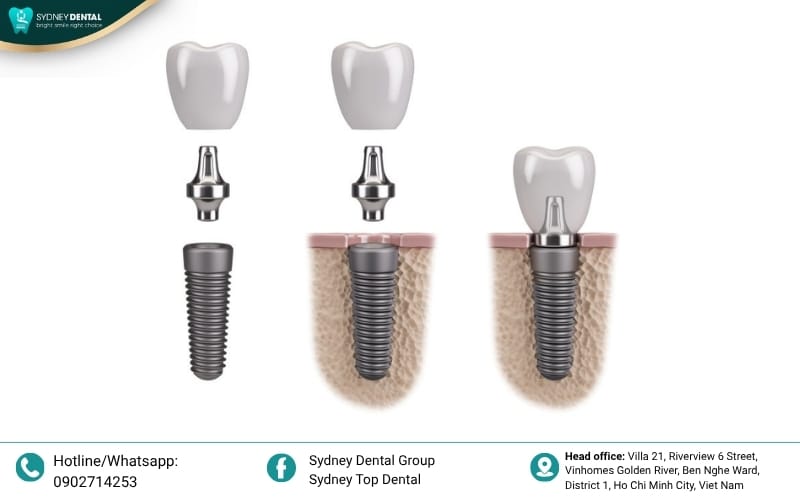
Titanium dental implants are specialized medical-grade posts surgically placed into the jawbone to act as artificial tooth roots. They have become the preferred choice for dentists worldwide due to their unique material properties and reliability in oral rehabilitation.
1.1. Superior Biocompatibility
Titanium is widely recognized for its exceptional biocompatibility, meaning it is non-toxic and does not cause adverse reactions in the human body. When placed in the jaw, the body’s immune system recognizes the material as “friendly” rather than a foreign object. This allows the surrounding tissues to accept the implant, creating a stable foundation for the replacement tooth.
Because it does not trigger inflammatory responses, the risk of tissue rejection is remarkably low compared to other materials. Patients can feel confident that the implant will remain a permanent, passive part of their biological oral structure. This seamless integration ensures long-term comfort and eliminates concerns about sensitivity or allergic reactions.
Moreover, the clinical history of titanium in orthopedics and dentistry spans decades of successful use. Countless scientific studies confirm its stability in the moist, chemically active environment of the mouth. Choosing titanium means opting for a material that has been thoroughly tested for human safety and success.
1.2. Exceptional Osseointegration
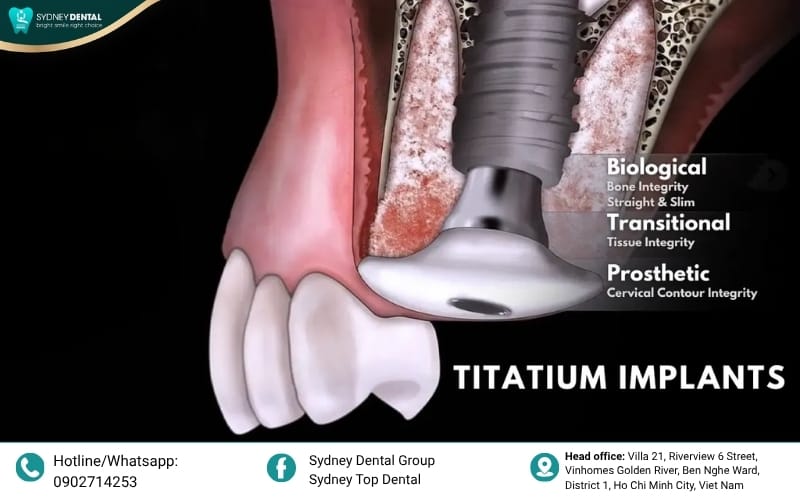
Osseointegration is the critical biological process where the jawbone cells grow directly onto the surface of the titanium implant. This physical bond creates a structural anchor that is virtually as strong as the root of a natural tooth. Without this integration, an implant would simply move and fail under the pressure of daily use.
Titanium’s surface chemistry is uniquely designed to attract bone-forming cells immediately after placement. Within a few months, the implant becomes a fixed part of your skeletal system, providing unparalleled stability. This solid connection is what makes titanium implants the most reliable foundation for crowns, bridges, and dentures.
2. The Remarkable Benefits of Titanium Implants
Choosing titanium dental implants is an investment in your long-term oral health and overall quality of life. These implants offer significant advantages that bridge the gap between traditional dentures and your original, natural teeth.
2.1. Outstanding Durability and Longevity
One of the greatest benefits of titanium implants is their incredible resistance to wear, tear, and corrosion. Once successfully placed, these implants are designed to last for decades, and for many patients, they can last a lifetime. This durability makes them a highly cost-effective solution for permanent tooth replacement.
Unlike natural teeth, titanium implants are completely immune to tooth decay, which is a major cause of dental failure. While the surrounding gums must still be kept clean, the implant itself cannot develop a cavity or require a filling. This inherent structural strength ensures that your restored smile remains intact even after many years of use.
Furthermore, the strength of the titanium material prevents the implant from bending or breaking under heavy biting forces. Patients often report that their implants feel indistinguishable from their natural teeth in terms of toughness. This long-term reliability provides peace of mind that you will not need frequent or costly replacements.
2.2. Natural Chewing Functionality
Titanium implants restore your ability to bite and chew with the same power and efficiency as your original teeth. Because the implant is anchored directly into the jawbone, it provides a stable base that does not slip or wobble. You can enjoy your favorite foods—including crisp vegetables and tough proteins—without any hesitation or discomfort.
This restoration of chewing function is vital for proper digestion and nutritional intake. When you can chew effectively, you are more likely to maintain a healthy diet rather than avoiding foods that are difficult to bite. The stability provided by titanium implants effectively mimics the natural sensory feedback of a healthy, rooted tooth.
2.3. Safety and Body Compatibility
The safety profile of titanium is excellent, as it has been proven to be non-corrosive even in the harsh conditions of the oral cavity. It does not leach chemicals into the bloodstream, making it a safe choice for patients with various health profiles. This stability ensures that the implant remains inert and maintains its structural integrity over time.
Additionally, the surgical placement of titanium implants is a highly refined and predictable procedure. Because the material is so well-tolerated by the gums and jawbone, the healing process is typically smooth and straightforward. You can enjoy the benefits of a full smile without the fear of systemic health risks.
3. Comparing Titanium and Other Materials (e.g., Zirconia)
While titanium is the standard, other materials like Zirconia are sometimes discussed in modern implant dentistry. Understanding the differences between these options helps you and your dentist make the best decision for your specific clinical needs.
3.1. When to Choose Titanium?
Titanium is the best choice for the vast majority of patients due to its superior fracture toughness and long-term clinical data. It is the gold standard for complex cases, such as multiple-tooth replacements or full-arch restorations where maximum strength is required. Its ability to bend slightly under extreme pressure prevents the implant from shattering, which is a major safety advantage.
Furthermore, titanium is often more versatile in terms of the types of abutments and prosthetics that can be attached to it. If you are looking for a proven, time-tested solution with a very high success rate, titanium remains the top recommendation. Most dentists prefer titanium because they are highly experienced with its clinical behavior and healing patterns.
Finally, titanium implants are often more accessible and offer a more predictable outcome for patients with varying bone densities. They provide the perfect balance of biological success and mechanical durability. Choosing titanium is choosing a solution that has successfully restored millions of smiles worldwide.
3.2. When to Consider Other Materials?
Other materials like Zirconia may be considered for patients who have rare metal allergies or specific aesthetic preferences. If a patient is highly sensitive to metals, a ceramic-based implant offers a non-metallic alternative. These materials are also tooth-colored, which can be an advantage if the gum tissue is very thin.
However, these alternatives often come with a higher price tag and less clinical research regarding long-term performance. They may also be more prone to fracturing under heavy biting forces compared to the resilient titanium. Always consult your dentist to determine if your specific bone health and bite profile are suitable for these alternative options.
4. The Professional Dental Implant Procedure
The process of receiving a dental implant is a structured, multi-step journey designed to ensure accuracy and long-term success. By following a professional protocol, dentists can guarantee that your new tooth looks, feels, and functions perfectly.
4.1. Comprehensive Examination and Planning
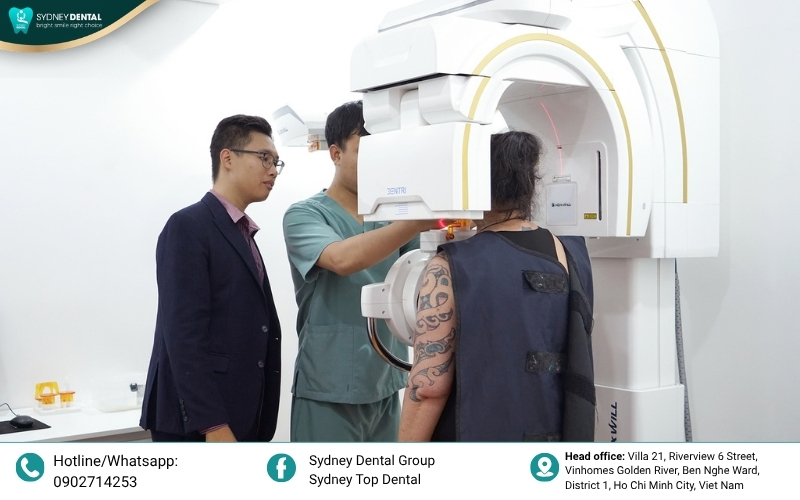
The first step involves a thorough assessment using 3D imaging (CBCT scans) to evaluate your bone volume and gum health. Your dentist will map out the exact position for the implant to ensure it aligns perfectly with your surrounding teeth. This phase is crucial for creating a personalized treatment plan that addresses your unique anatomy.
During this stage, your dentist will also discuss your medical history and lifestyle habits. Ensuring you are a good candidate for surgery helps minimize risks and prepares you for a successful recovery. This careful planning sets the stage for a seamless and predictable surgical experience.
4.2. The Surgical Placement
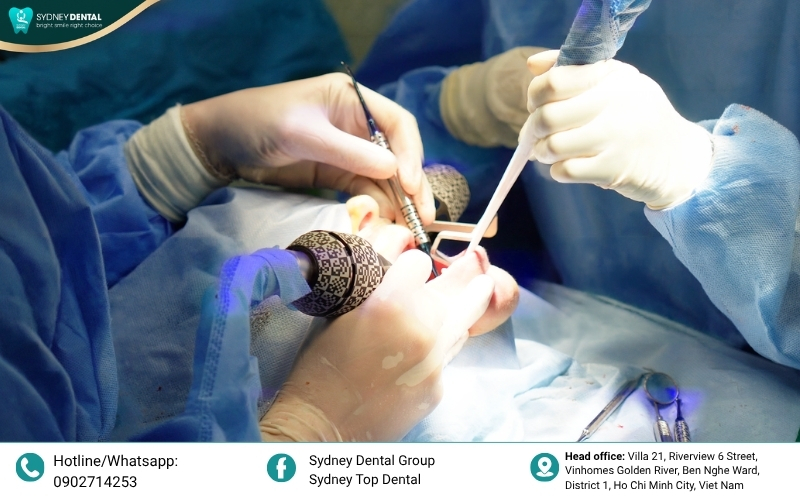
Once the plan is finalized, the implant is placed into the jawbone during a minor, controlled surgical procedure. The area is numbed, and the titanium post is inserted precisely into the prepared site. Despite the term “surgery,” most patients find the experience very manageable and report minimal discomfort afterward.
After the implant is placed, the gum tissue is typically sutured, and the healing process begins. The titanium surface will then begin to bond with your bone over the next few months. This period is essential for ensuring that the implant becomes a permanent, stable part of your jaw.
4.3. Healing and Restoration
During the healing phase, you will have regular check-ups to monitor the progress of osseointegration. Once the implant is fully fused with the bone, a small connector called an abutment is attached. This allows your dentist to secure a custom-made crown that matches the color and shape of your natural teeth.
The final result is a restoration that is virtually indistinguishable from a healthy, original tooth. You will leave the office with a fully restored smile and the ability to chew with renewed confidence. Proper maintenance and regular dental visits will ensure your new implant stays healthy for years to come.
5. Frequently Asked Questions (FAQ)
If you have more questions about improving your oral health, our team of experts is here to provide clear and professional guidance. We encourage you to reach out for a consultation to discuss your specific needs.
5.1. Is the titanium dental implant procedure painful?
Most patients report that the procedure is surprisingly comfortable and less painful than a tooth extraction. Local anesthesia is used to ensure you feel no pain during the surgery.
5.2. Can a titanium dental implant be rejected by the body?
Titanium is highly biocompatible, and rejection is extremely rare in modern clinical practice. With proper surgical technique and oral hygiene, the success rate is over 95%.
5.3. How much does a titanium dental implant cost?
The cost depends on the number of implants, the need for bone grafting, and the type of crown used. Please [click here to see our latest pricing and special offers] for a detailed breakdown.
5.4. What precautions should I take after getting an implant?
It is important to maintain good oral hygiene, avoid smoking, and follow your dentist’s post-operative instructions. Regular follow-up appointments are key to ensuring long-term success.
Titanium dental implants represent a life-changing advancement in dentistry, offering durability, safety, and natural aesthetics for those with missing teeth. By choosing this proven solution, you are investing in a healthier, more confident future where you can smile and eat without limits. [Schedule your free consultation today] with our expert team to take the first step toward reclaiming your perfect smile.
Sydney Top Dental
📍 Address: No. 21, Riverview 6 Street, Vinhomes Golden River Villas, Ben Nghe Ward, District 1, Ho Chi Minh City
📞 Hotline: 090 271 42 53
🌐 Facebook: Sydney Top Dental


Our Doctors
Get a Free Initial Consultation