
Jawbone resorption is a serious consequence often stemming from chronic periodontal disease, leading to the gradual weakening of the structures that support the teeth. Maintaining stable jawbone density is vital for tooth stability and long-term chewing function. Can natural remedies truly help regenerate jawbone, or are these merely unfounded claims lacking scientific backing?
1. What is Dental Bone Resorption and Why Does It Occur?
Dental bone resorption is a silent process where the alveolar bone density gradually diminishes due to persistent inflammation or lack of mechanical stimulation. Understanding the underlying mechanisms is the first step in protecting your oral health and preventing further structural damage.
1.1. The Primary Causes
Many factors contribute to bone loss, but periodontal disease and tooth loss are the most common culprits. Addressing these root causes early is essential to stop the bone from disappearing further.
- Periodontal Disease
Chronic inflammation from untreated gingivitis eventually invades the deeper supporting structures, including the alveolar bone. Over time, bacterial toxins break down the bone matrix, causing the teeth to lose their firm foundation. If left unchecked, this process can lead to irreversible tooth mobility and eventual loss.- Characteristics: Persistent gum bleeding, deep periodontal pockets, and shifting tooth positions.
- Tooth Loss
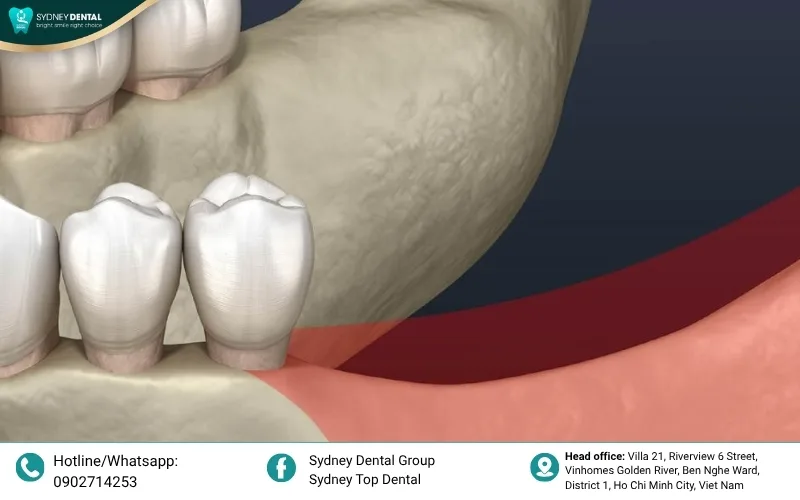
When a tooth is lost, the underlying bone no longer receives the natural stimulation provided by chewing and biting forces. Without this pressure, the body begins to resorb the unused bone tissue, leading to a visible shrinkage of the jawbone. This reduction can alter your facial structure and make future dental restorations much more difficult to achieve.- Characteristics: Ridge collapse, sunken facial appearance, and difficulty with prosthetic stability.
1.2. Early Signs of Dental Bone Loss
One of the most concerning aspects of bone loss is that it often progresses without causing significant pain in the early stages. Patients may notice their teeth looking longer than usual as the gum tissue recedes along with the bone. Additionally, teeth that were once stable might begin to feel loose or start shifting positions during daily activities.
A frequent sign is the development of deep gaps between the gums and teeth, which act as traps for bacteria and plaque. You might also notice frequent gum inflammation or a persistent foul taste in your mouth despite regular brushing. If these symptoms appear, it is critical to consult a professional for a comprehensive evaluation.
2. Can You “Naturally Regenerate” Dental Bone? (Scientific Reality)
While the body possesses natural healing mechanisms, it is crucial to manage expectations regarding significant bone regeneration without medical intervention. Promoting a healthy oral environment is the best way to support your body’s innate regenerative capabilities.
2.1. The Limits of the Body and Bone Cell Roles
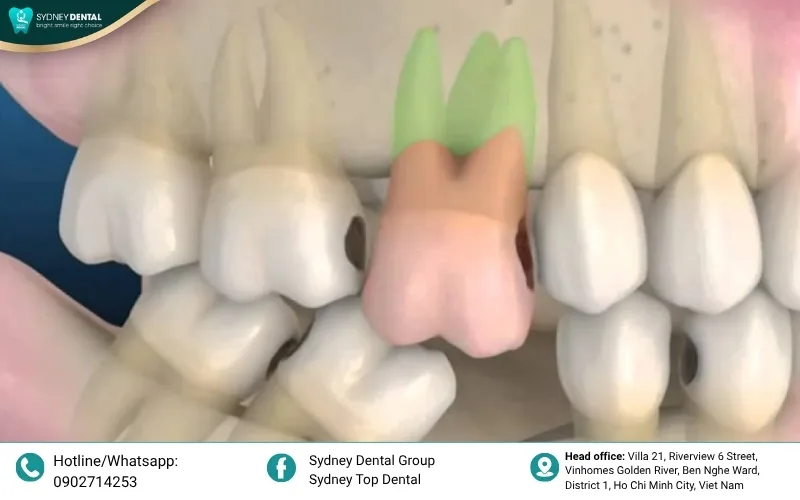
The human body constantly remodels bone tissue through a delicate balance between osteoblasts (bone-building cells) and osteoclasts (bone-resorbing cells). In a healthy state, these cells work in harmony to maintain bone density and structural integrity. However, when periodontal disease takes hold, osteoclasts become overactive, significantly outpacing the body’s ability to replace lost bone mass.
2.2. Distinguishing “Supporting Regeneration” from “Medical Recovery”
It is essential to understand that lifestyle habits primarily serve to stop bone loss and create an environment where the bone can maintain itself. True regeneration, especially in cases where the bone has significantly receded, often requires professional medical procedures to provide a scaffolding for new bone to grow. You should view natural methods as a supportive foundation rather than a total replacement for clinical dental care.
3. Ways to Support Natural Bone Regeneration at Home
Adopting a proactive approach to your daily routine can significantly slow the progression of bone loss. By focusing on nutrition, hygiene, and lifestyle, you create the best possible conditions for your jawbone to remain strong.
3.1. Optimal Nutrition: Calcium, Vitamin D3, K2, and Magnesium
A diet rich in essential minerals is the cornerstone of maintaining strong bones throughout your entire body, including your jaw. Calcium provides the raw material for bone strength, while Vitamin D3 is absolutely necessary for your body to effectively absorb that calcium.
Furthermore, Vitamin K2 acts as a guide, ensuring that calcium is deposited into the bones rather than accumulating in your arteries. Magnesium also plays a supportive role by activating the enzymes that promote healthy bone mineralization. Integrating these nutrients into your daily meals will fortify your dental health from the inside out.

3.2. Proper Oral Hygiene to Stop Periodontal Bacteria
Rigorous oral hygiene is the most effective way to eliminate the bacterial plaque that fuels the inflammation leading to bone loss. Using a soft-bristled brush and proper flossing techniques ensures that you remove pathogens that reside deep in the gum pockets.
Consistent daily cleaning disrupts the cycle of infection, allowing your gum tissue to heal and reducing the stress on your underlying bone. By maintaining a clean environment, you prevent the constant destruction caused by toxic bacterial byproducts. This habit is your first line of defense against the progression of periodontal bone resorption.
3.3. Lifestyle: Quit Smoking and Manage Stress
Smoking is a major risk factor that restricts blood flow to the gums, severely impairing the body’s ability to fight off infections. By quitting, you immediately improve circulation to your oral tissues, which is vital for providing the nutrients needed for bone maintenance.
Chronic stress also negatively impacts your immune system, making it harder for your body to manage the inflammation caused by periodontal disease. Practicing mindfulness or regular exercise helps lower cortisol levels, which is beneficial for overall healing. These lifestyle changes are essential for creating a stable environment where your bone health can stabilize.
4. Modern Medical Methods for Bone Regeneration
When natural efforts are insufficient, modern dentistry offers advanced procedures to restore your bone volume and health. These treatments provide the structure needed for bone to successfully regrow and regain its strength.
4.1. Bone Grafting and PRF/PRP Techniques
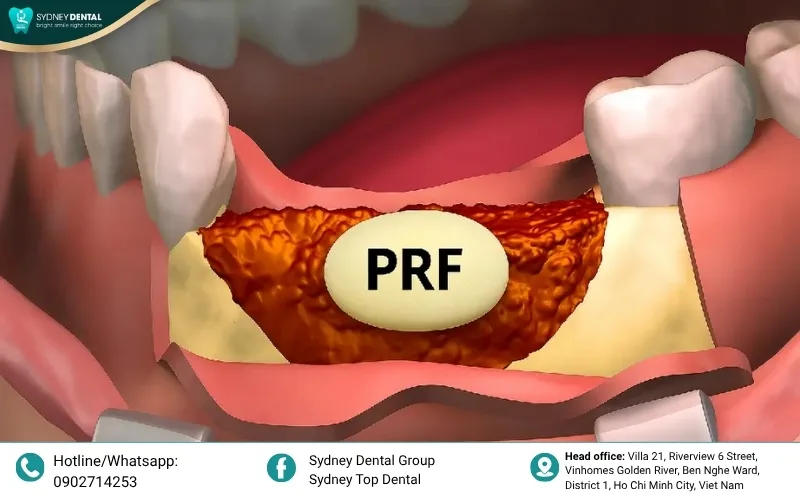
Bone grafting involves placing specialized materials into the affected area to stimulate new bone growth and provide support for existing structures. This procedure creates a bridge that encourages your own cells to migrate and rebuild the lost bone tissue.
- Key Techniques:
- Bone Grafting: Uses donor or synthetic bone to fill defects.
- PRF (Platelet-Rich Fibrin): Uses your own blood’s growth factors to accelerate healing.
- PRP (Platelet-Rich Plasma): Concentrates healing proteins to boost tissue regeneration.
These innovative therapies have transformed the success rates of dental restoration significantly. By utilizing your body’s own biological mechanisms, these techniques offer a highly effective path to recovery.
4.2. The Importance of Early Dental Diagnosis
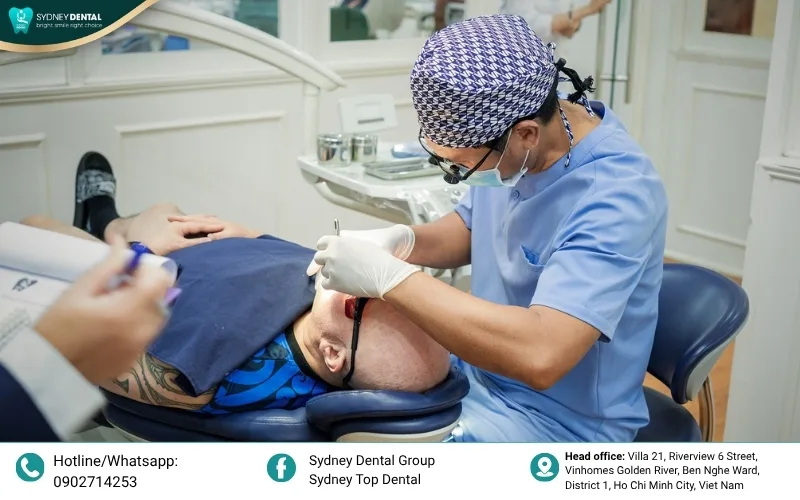
Professional diagnosis is the only way to accurately measure the extent of bone loss that you cannot see in the mirror. Dentists use advanced imaging, such as 3D CBCT scans, to map the precise condition of your alveolar bone.
Early detection allows for less invasive treatment options, which are far more predictable and cost-effective than emergency surgeries. Regular check-ups ensure that any minor issues are addressed before they become serious threats to your long-term bone health.
5. Common Mistakes When Seeking Home Remedies
Many individuals fall into the trap of relying solely on unverified folk remedies, which often lack scientific backing and can sometimes be harmful. Applying harsh substances to your gums, believing they will “grow bone,” can lead to severe tissue irritation or chemical burns. These misguided efforts frequently delay necessary professional treatment, allowing the underlying bone loss to continue worsening unnoticed.
It is dangerous to prioritize internet “hacks” over evidence-based dental care when dealing with a condition as serious as bone resorption. Always consult with a qualified periodontist before attempting any radical changes to your oral care routine. Remember that true health comes from a balanced approach combining clinical expertise with informed self-care.
Regenerating bone mass is a complex journey that requires a combination of disciplined home care and expert medical intervention. By nourishing your body, maintaining pristine oral hygiene, and seeking early professional advice, you can protect your dental structure effectively. Book your comprehensive dental exam today to take control of your bone health and secure your smile’s future.
Sydney Top Dental
📍 Address: No. 21, Riverview 6 Street, Vinhomes Golden River Villas, Ben Nghe Ward, District 1, Ho Chi Minh City
📞 Hotline: 090 271 42 53
🌐 Facebook: Sydney Top Dental


Our Doctors
Get a Free Initial Consultation