
- 1. What is Jawbone Loss and Why Does it Happen After Tooth Extraction?
- 2. Why Can You Still Get Dental Implants Despite Jawbone Loss?
- 3. Common Bone Grafting Methods Available Today
- 4. The Process of Dental Implants for Patients with Bone Loss
- 5. Costs and Recovery Time When Dealing with Bone Loss
- 6. Key Tips to Protect Your Jawbone After Implants
The jawbone serves as the critical foundation for your teeth, playing a vital role in maintaining facial structure and oral health. When a tooth is lost, this foundation begins to deteriorate rapidly due to the lack of natural stimulation from chewing. Understanding the consequences of this bone loss is the first step toward reclaiming your oral health and facial aesthetics.
1. What is Jawbone Loss and Why Does it Happen After Tooth Extraction?
Jawbone loss, or alveolar bone resorption, occurs when the bone surrounding the tooth root no longer receives the mechanical pressure it needs to stay dense. If left untreated, this progressive process can lead to significant functional complications and changes in your facial profile.
1.1. The Natural Mechanism of the Alveolar Bone
The alveolar bone is a dynamic tissue that maintains its density and volume through constant stimulation during normal daily activities like chewing and biting. When natural teeth are present, the periodontal ligament transmits these forces directly to the bone, signaling the body to continuously regenerate bone cells. This biological cycle is essential for keeping the jaw ridge strong, healthy, and perfectly aligned with the adjacent teeth.
Without this consistent stimulation, the body perceives that the bone in that specific area is no longer functional or necessary for support. Consequently, the rate of bone resorption accelerates significantly, causing the alveolar bone to thin out and lose its structural integrity over time. This natural physiological response is the body’s way of reallocating resources, but unfortunately, it results in the visible shrinkage of the gum tissue and the underlying jawbone.
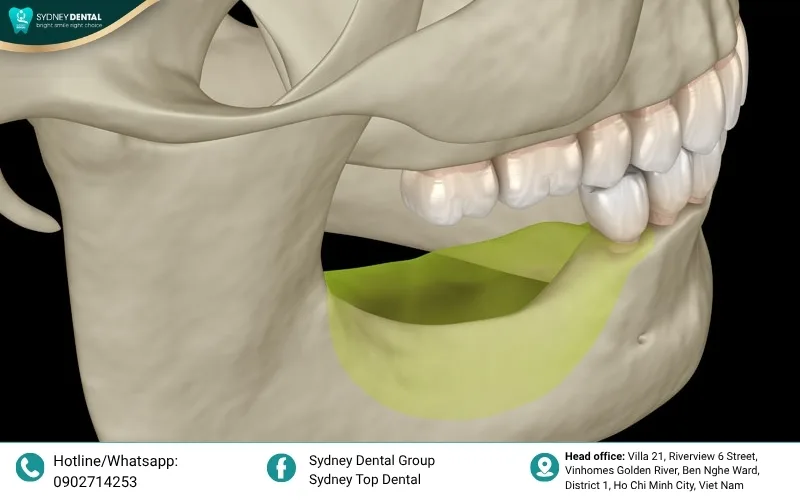
1.2. Why Does Long-term Tooth Loss Lead to Bone Resorption?
When a tooth is extracted, the physical stimulation required to maintain bone density disappears almost instantly from that specific location. In the initial months following the loss, the body begins a rapid process of remodeling the empty socket, which naturally leads to a reduction in bone volume. Without a replacement, the bone height and width continue to diminish, eventually affecting the support for neighboring teeth and the overall facial contour.
The longer a space is left empty, the more profound the bone loss becomes, often leading to a “caved-in” appearance around the mouth and lower face. This loss of bone density creates a challenging environment for future dental treatments, as there is less bone available to securely anchor a prosthetic. Furthermore, the neighboring teeth may start to shift into the empty gap, causing bite misalignments and further degrading the oral environment.
As bone volume decreases, the gum tissue also recedes, creating deep pockets where bacteria can easily accumulate and thrive. This environment increases the risk of gum disease, which can further exacerbate the destruction of surrounding bone and healthy teeth. Consequently, the simple act of delaying replacement treatment transforms a minor issue into a complex condition requiring more invasive restorative procedures.
Lean more: Bone Loss Mouth: Dangerous Consequences and Effective Solutions
2. Why Can You Still Get Dental Implants Despite Jawbone Loss?
Advanced modern dentistry offers innovative solutions to regenerate bone volume, making it possible for almost anyone to regain a functional smile. Through precise bone grafting techniques, surgeons can successfully rebuild the foundation needed to support secure and durable dental implants.
2.1. The Role of Bone Grafting in Implant Dentistry
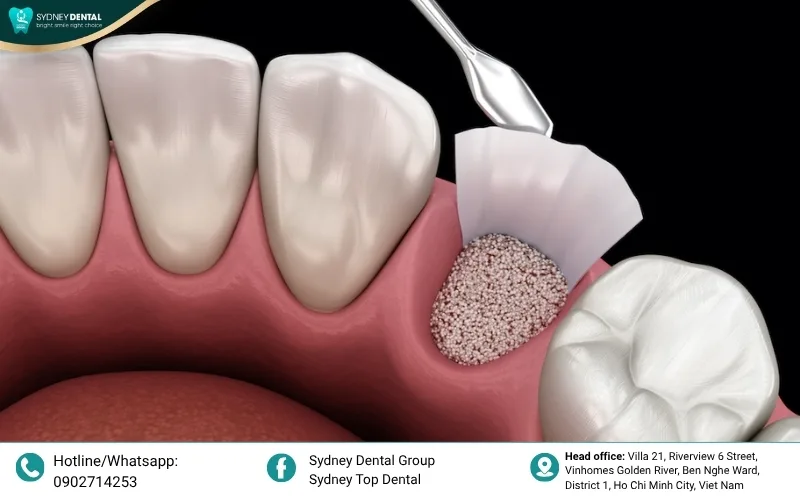
Bone grafting serves as a biological scaffold that encourages your body’s natural cells to grow new, stable bone material. This process reverses the effects of resorption, creating a solid base for Dental Implants for Jawbone Loss. Once the graft has matured, the newly formed bone provides a secure anchor, allowing the implant to fuse seamlessly.
The integration of grafted bone with your existing jawbone is a process known as osteoconduction or osteoinduction, which solidifies the implant site. Once the graft has successfully matured, the newly formed bone provides a secure anchor that behaves identically to your original jawbone. This allows the dental implant to fuse seamlessly, ensuring that your final restoration is both functional and aesthetically pleasing.
2.2. When Do You Need a Bone Graft Before Implant Surgery?
You generally require a bone graft if your diagnostic imaging shows that your jawbone lacks the necessary width or height to support an implant. If the bone is too thin, placing an implant directly would risk failure because the prosthetic would not have adequate stability or coverage. Surgeons will evaluate your bone density during your initial consultation to determine if a graft is necessary for your specific case.
Patients who have experienced significant bone shrinkage due to prolonged tooth loss, severe periodontal disease, or previous trauma are the most common candidates for grafting. Even if you have minimal bone loss, a minor graft may be recommended to enhance the longevity and success rate of the procedure. It is a precautionary measure designed to ensure that your new tooth remains stable for many years to come.
The decision to perform a graft is based on 3D CBCT scans that provide a detailed map of your jaw structure. If the surgeon determines that the existing bone cannot fully encapsulate the implant threads, the grafting procedure is planned to prioritize your long-term success. This proactive approach prevents future complications and ensures that your final smile is as durable as possible.
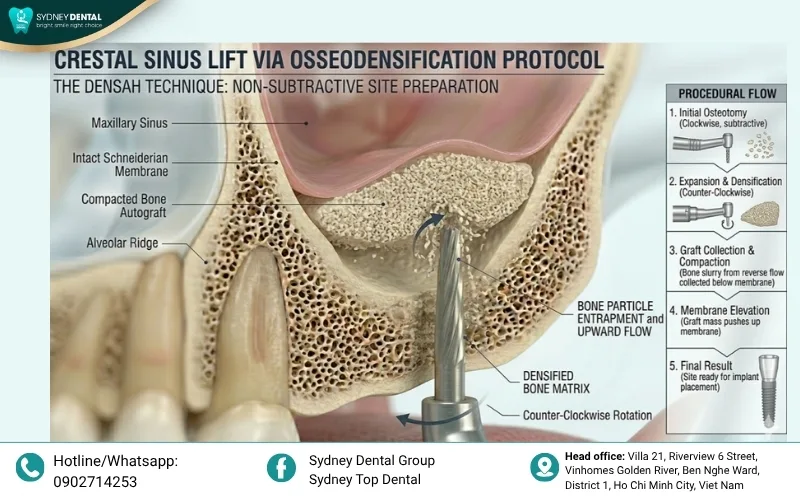
3. Common Bone Grafting Methods Available Today
Modern dental technology allows for various grafting options tailored to the unique needs of each patient’s bone density and recovery goals. Choosing the right material and technique is essential to ensuring a comfortable healing process and a predictable outcome for your implant surgery.
3.1. Autogenous Bone Graft
This technique involves harvesting bone from another part of your own body, typically from the chin, jaw, or hip area. Because the material is your own, it contains living cells that promote faster healing and have a zero percent risk of tissue rejection. It is widely considered the “gold standard” for complex bone reconstruction cases where a significant amount of new bone is needed.
- Advantages: Superior integration, lower risk of infection, and natural biological compatibility.
- Target Patients: Individuals requiring large-scale bone reconstruction or those with specific health conditions.
- Costs: Generally higher due to the surgical requirement of harvesting bone from a second site.
3.2. Synthetic or Allogenic Bone Graft
These grafts use processed human donor bone (allogenic) or laboratory-created mineral materials (synthetic) that act as a placeholder for new bone growth. These materials are highly convenient as they do not require an extra surgical site for harvesting, which simplifies the overall patient experience. Many modern clinics favor these options for their reliability and ease of use in standard dental implant preparations.
- Advantages: No secondary surgical site required, readily available, and highly predictable results.
- Target Patients: Patients needing moderate augmentation who prefer a less invasive surgical procedure.
- Costs: More affordable than autogenous grafts, making them a popular choice for routine cases.
3.3. Sinus Lift Procedure (When Necessary)
The sinus lift is a specialized grafting technique performed in the upper jaw when bone volume is insufficient near the sinus cavity. By gently lifting the sinus membrane, the surgeon creates space to add grafting material, providing enough height for long, stable implants. This procedure is crucial for patients whose back upper teeth have been missing for a long time.
- Advantages: Allows for implant placement in areas previously considered impossible to treat.
- Target Patients: Patients experiencing significant bone loss in the posterior upper arch.
- Costs: Considered a complex procedure, reflected in a higher price point due to specialized skill requirements.
4. The Process of Dental Implants for Patients with Bone Loss
The journey begins with a comprehensive 3D Imaging assessment. If bone deficiency is detected, a Bone Grafting Procedure is performed, followed by a healing period of 3 to 6 months. Once the foundation is stable, the surgical placement of the titanium post occurs. The final phase involves the attachment of the abutment and a custom crown, completing the successful implementation of Dental Implants for Jawbone Loss.
5. Costs and Recovery Time When Dealing with Bone Loss
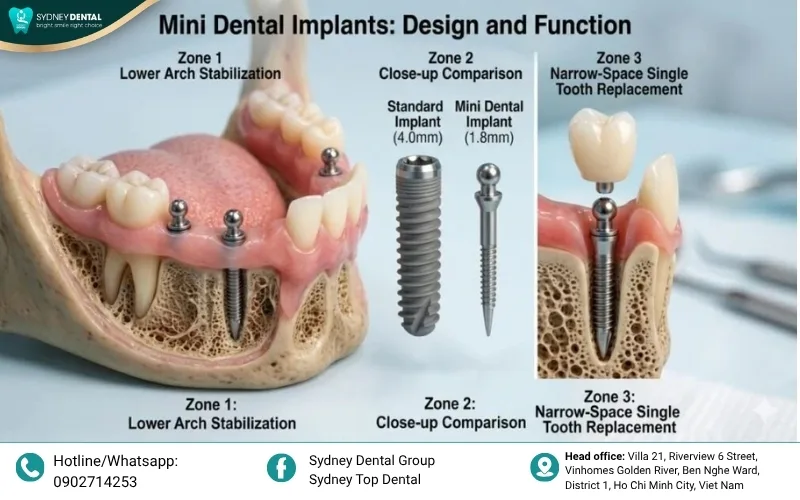
The cost is influenced by the type of grafting material and the complexity of the jaw structure. While adding a grafting step extends the total treatment timeline, patients should view this as a vital investment. Choosing Dental Implants for Jawbone Loss provides a permanent, life-changing solution that outweighs the long-term cost of neglecting oral health.
The duration of your treatment is largely determined by the time required for the grafted bone to fuse with your natural jawbone. While standard implants might take 3 to 4 months, adding a grafting step typically extends the total timeline by several additional months. Patients should view this as an investment in the health and longevity of their smile, rather than just a quick fix.
Effective communication with your surgeon regarding your financial plan and treatment timeline is essential for a stress-free experience. Many clinics offer flexible payment options to help manage the cost of these life-changing dental procedures. By prioritizing quality care, you ensure that your investment in bone regeneration provides results that last a lifetime.
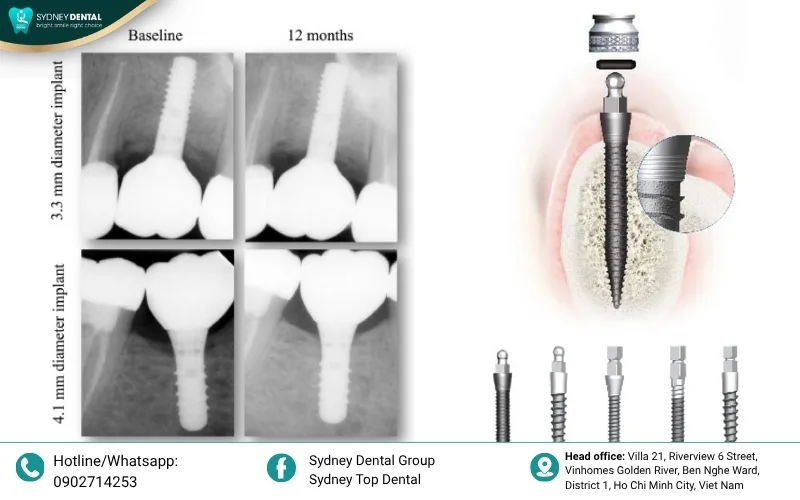
6. Key Tips to Protect Your Jawbone After Implants
Maintaining excellent oral hygiene is the most critical factor in ensuring that your dental implants and the surrounding bone remain healthy. Brush at least twice daily and use high-quality interdental brushes to remove bacteria from around the implant crown. Consistent daily habits effectively prevent inflammation, which is the primary enemy of long-term implant success.
Regular follow-up appointments are vital because they allow your dentist to monitor the health of the bone and the surrounding soft tissues. Professional cleanings help remove hard-to-reach tartar that can cause peri-implantitis, a condition that threatens the stability of your implants. Staying consistent with these visits ensures that any minor issues are addressed before they become significant problems.
Avoid habits that place excessive stress on your implants, such as grinding your teeth or chewing on extremely hard objects. If you suffer from bruxism, ask your dentist about using a custom night guard to protect your investment while you sleep. These simple, proactive measures will ensure your dental implants remain stable and beautiful for years to come.
We understand that the prospect of bone grafting can feel overwhelming, but modern advancements have made these procedures remarkably safe. By taking the right steps today, you are ensuring a future of better health and restored confidence. If you have any questions about how Dental Implants for Jawbone Loss can transform your life, our specialized team is ready to guide you through your personalized journey.
Sydney Top Dental
📍 Address: No. 21, Riverview 6 Street, Vinhomes Golden River Villas, Ben Nghe Ward, District 1, Ho Chi Minh City
📞 Hotline: 090 271 42 53
🌐 Facebook: Sydney Top Dental


Our Doctors
Get a Free Initial Consultation