
Your jawbone serves as the essential foundation for your teeth, providing both structural support and aesthetic balance to your lower face. Unfortunately, bone loss in the jaw is a silent, progressive condition that often goes unnoticed until significant damage has occurred. Understanding these subtle warnings early is critical to preventing long-term oral health complications and facial deterioration.
1. What is bone loss in the jaw and why does it occur?
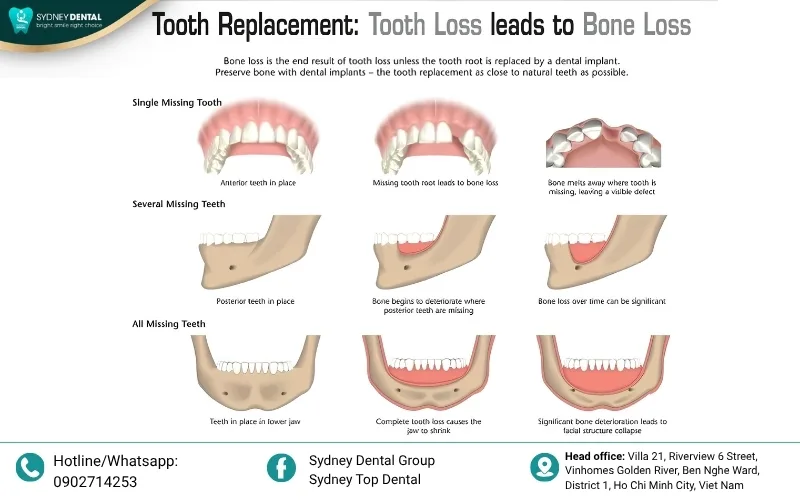
Bone loss in the jaw, medically known as resorption, occurs when the bone density in the alveolar ridge decreases over time. This process is usually triggered by the loss of natural teeth, which removes the necessary mechanical stimulation required to keep the bone healthy and dense.
1.1. The mechanism of bone loss after tooth loss
When a tooth is extracted or falls out, the jawbone in that area no longer receives the natural stimulation it needs from chewing forces. Without this constant pressure, the body begins to recognize that the bone is no longer supporting a tooth, leading it to reabsorb the mineral content for use elsewhere. This biological process causes the volume and density of the bone to decrease significantly in the months following an extraction.
Over time, this reduction in bone mass leads to a permanent change in the shape of the jaw structure itself. The once-robust alveolar bone begins to shrink, leaving behind a concave area where the tooth used to be. This structural change is irreversible without medical intervention and serves as the primary cause for many secondary dental issues.
1.2. Why does the jawbone require pressure from tooth roots?
The jawbone is a living tissue that relies on a “use it or lose it” principle to maintain its strength and density. Every time you bite or chew, the roots of your teeth transmit physical forces into the bone, stimulating the bone cells known as osteoblasts. This activity is vital for the continuous renewal and mineralization of the skeletal structure in your mouth.
When teeth are missing, this stimulation is completely halted, leading to a rapid decline in bone metabolism. Without the constant movement provided by tooth roots, the bone begins to starve of the mechanical signals it needs to stay strong. Consequently, the bone starts to dissolve, leaving the jaw weakened and unable to support future dental work.
2. 5 bone loss in jaw symptoms you must know
Recognizing the early warning signs of jawbone resorption is the first step toward effective dental preservation. By paying close attention to changes in your oral health, you can seek professional advice before the bone loss becomes severe.
2.1. Facial contour changes (sunken cheeks, wrinkles around the mouth)
As the jawbone loses volume, the muscles and skin it supports begin to lose their structural foundation. This leads to a noticeable sagging appearance, often characterized by sunken cheeks and deep wrinkles forming around the mouth. Many patients find that their lower face begins to look aged long before it should, simply because the underlying bone support has vanished.
The loss of vertical bone height also causes the lips to lose their natural support, making them appear thinner and turned inward. This “collapsed” look is a hallmark of significant bone resorption that has gone untreated for a prolonged period. Restoring the bone height is often the only way to reverse this premature aging effect on your facial profile.
2.2. Gum recession and visible tooth roots
Bone loss often manifests in the gums as the tissue follows the receding underlying bone structure. As the bone level drops, the gums may pull away from the teeth, causing the tooth roots to become exposed and visible. This not only creates an unattractive smile but also makes the teeth significantly more sensitive to hot and cold temperatures.
Once the gums recede due to bone loss, the teeth lose their stable attachment to the jaw. This increases the risk of tooth decay at the root surface and makes the mouth more susceptible to persistent gum infections. Regular dental check-ups can detect these shifts in gum line position long before they become visible to the naked eye.
2.3. Dentures becoming loose
If you currently wear removable dentures, you may notice that they begin to shift or feel loose over time despite a perfect initial fit. This happens because the jawbone beneath the denture is shrinking, meaning the surface area available to hold the appliance is constantly changing. As the bone recedes, the base of the denture no longer sits flush against the gums.
A loose denture is more than just an inconvenience; it can cause painful sores and make eating or speaking difficult. Continuing to wear a poorly fitting denture can actually accelerate the rate of bone loss due to constant friction against the fragile ridges. If your dentures are consistently sliding, it is a clear symptom that your jawbone requires professional assessment.
2.4. Adjacent teeth starting to shift or loosen
The loss of one tooth often sets off a chain reaction that destabilizes the entire dental arch. As the bone density around the empty socket decreases, the neighboring teeth lose their lateral support and begin to drift into the gap. This shifting can cause your bite alignment to change, leading to gaps between teeth that were previously straight.
In more severe cases, the lack of bone support causes healthy teeth to become loose or mobile. You might feel a subtle movement when biting down or notice that your teeth don’t “lock” together the way they used to. This migration of teeth is a definitive symptom that the structural integrity of your jaw is being compromised.
2.5. Difficulty chewing or frequent TMJ pain
When bone density decreases, the overall bite force is compromised, making it much harder to chew food efficiently. This can lead to digestive issues and, more commonly, excessive strain on the Temporomandibular Joint (TMJ). Because your teeth no longer meet correctly, your jaw muscles must work harder to compensate for the loss of a stable bite.
This compensatory mechanism often results in chronic pain in the jaw joints, earaches, or frequent headaches. The inability to chew comfortably is not just a sign of missing teeth, but a warning that your jawbone is no longer providing the stable base required for healthy function. Addressing the bone loss early can prevent these painful TMJ complications from becoming chronic.
3. Why is bone loss in the jaw a dangerous condition?
Bone loss is not merely an aesthetic issue but a progressive health condition that weakens the structural framework of your entire face. If left unchecked, it can lead to permanent damage that complicates future dental treatments and compromises your oral function.
3.1. Impact on dental restoration (bone deficiency seen on X-rays)
One of the most significant dangers of bone loss is that it limits your options for long-term tooth replacement. When you visit a dentist for an implant, a CT scan often reveals that there is simply not enough bone volume to support the titanium post. This realization forces patients to undergo more complex, expensive, and time-consuming procedures to restore the area.
Without sufficient bone, the stability of traditional bridges or implants is severely diminished. Dentists must prioritize bone regeneration before any restorative work can begin, which adds layers of complexity to your treatment plan. Early detection through imaging allows for simpler solutions, whereas waiting makes the process much more difficult.
3.2. Premature facial aging
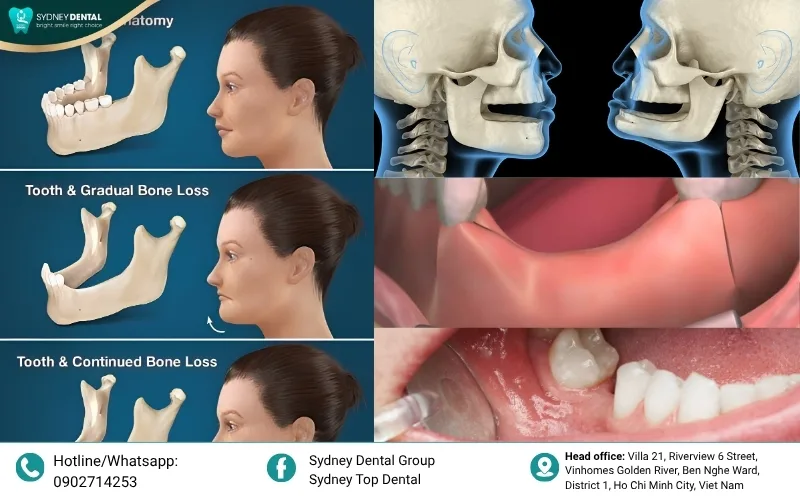
The jawbone is the primary anchor that gives your face its shape, contour, and youthfulness. As bone resorption continues, the lower third of the face literally collapses, resulting in the “witch’s chin” or a very elderly appearance regardless of your actual age. This type of facial degradation is permanent and difficult to camouflage with makeup or non-invasive fillers.
Because this aging process is gradual, many people do not realize it is happening until the changes are quite pronounced. Preventing bone loss is essential not only for dental health but for maintaining the structural aesthetics of your face. Once the bone is lost, the natural plumpness of the lips and the firmness of the jawline are very hard to restore.
4. How to prevent and treat bone loss in the jaw effectively
Proactive management is the most successful strategy for maintaining a healthy jawbone. By understanding the available solutions, you can preserve your dental health and avoid the complications of advanced resorption.
4.1. The importance of early dental implants
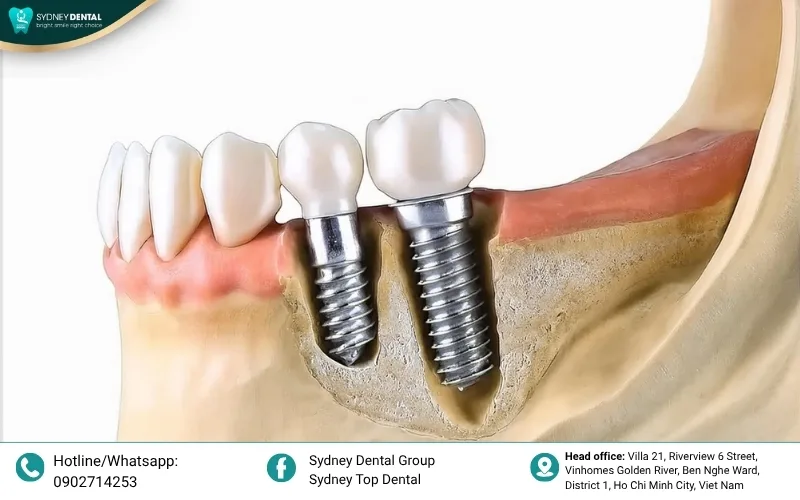
Dental implants are widely considered the gold standard for preventing bone loss because they replace the tooth root. Unlike bridges or dentures, implants are surgically placed into the jawbone, where they fuse with the existing bone tissue. This creates the necessary mechanical stimulation to keep the bone healthy and dense for a lifetime.
By choosing an implant shortly after losing a tooth, you can effectively “trick” the body into keeping the bone in that area active. This prevents the initial phase of resorption and preserves your facial structure from the start. Early intervention with implants is the most reliable way to maintain both your smile and your long-term bone health.
Lean more: Zygoma Implant Vietnam: Tooth Restoration Solution for Bone Loss
4.2. Bone grafting – procedure and benefits
In cases where bone loss has already occurred, bone grafting serves as a life-changing solution. During this procedure, a surgeon adds material—either synthetic or natural bone graft—to the site of the deficiency to encourage new bone growth. Over a period of several months, your body replaces the graft with new, healthy bone, creating a solid base for future implants.
The benefits of bone grafting extend far beyond just preparing for a new tooth. By rebuilding the bone volume, the procedure restores your facial profile and provides a secure foundation for comfortable chewing. It is a proven, safe way to reverse the damage of bone loss and restore your quality of life.
5. When should you see a dentist immediately?
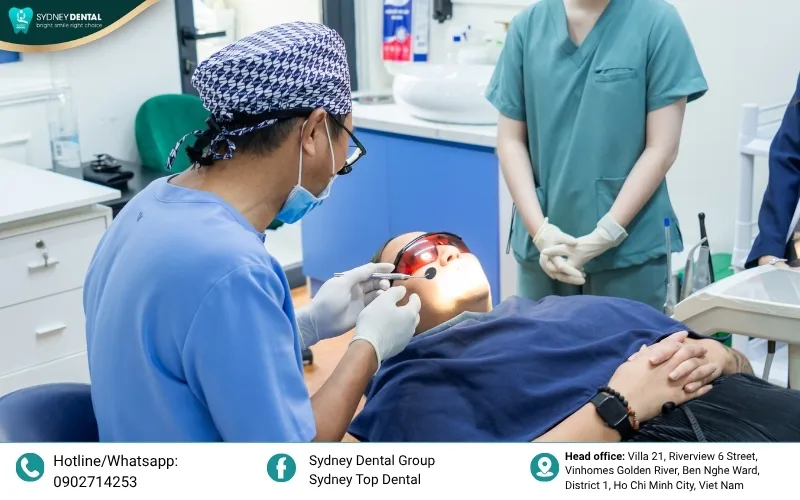
If you are experiencing any of the symptoms mentioned above, it is vital to consult a specialist without delay. Early diagnosis and intervention can prevent further deterioration and lead to much simpler, more affordable treatment options.
Don’t wait for your symptoms to escalate into a dental emergency that impacts your ability to eat or speak comfortably. If you notice any of the following, schedule a professional consultation immediately:
- Persistent pain or clicking in the jaw joint (TMJ).
- Significant mobility or drifting of your natural teeth.
- Visible gum recession or exposed tooth roots.
- Difficulty keeping removable dentures in place.
- Sudden changes in how your bite feels when closing your mouth.
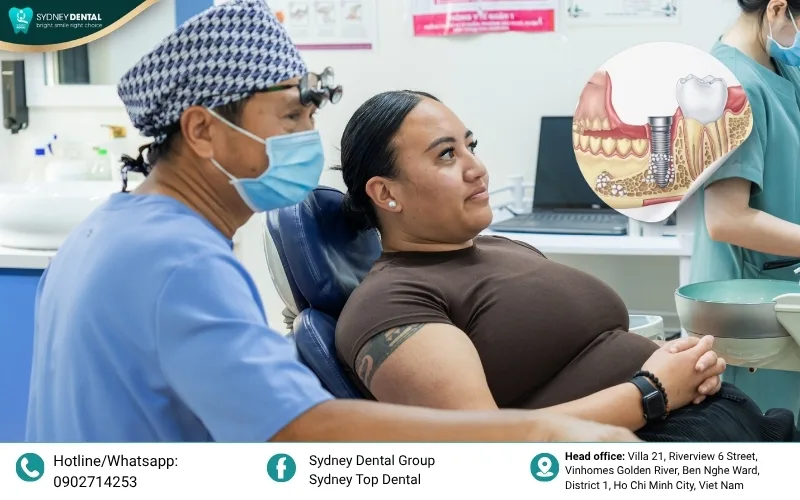
Bone loss is a silent threat to your oral health, but it is entirely manageable with the right professional guidance. By staying vigilant and addressing these symptoms early, you can protect your facial structure and restore your confident smile. Reach out to our expert team today to schedule your personalized assessment and secure a healthy future for your jaw.
Sydney Top Dental
📍 Address: No. 21, Riverview 6 Street, Vinhomes Golden River Villas, Ben Nghe Ward, District 1, Ho Chi Minh City
📞 Hotline: 090 271 42 53
🌐 Facebook: Sydney Top Dental


Our Doctors
Get a Free Initial Consultation