
- 1. What is a fixed bridge? Understanding your options
- 2. Why should you choose a fixed bridge instead of dentures?
- 3. The standard clinical process for a fixed bridge
- 4. Who is a suitable candidate for a fixed bridge?
- 5. How long do fixed bridges last and how to maintain them?
- 6. Frequently Asked Questions (FAQ)
Losing a tooth can significantly impact your smile, confidence, and overall quality of life. Fortunately, fixed bridges provide a reliable and aesthetic way to restore missing teeth and bring back your natural function. This article explores how fixed bridges can transform your oral health and help you regain a perfect smile.
1. What is a fixed bridge? Understanding your options
Understanding the nature of a fixed bridge is the first step toward making an informed decision for your dental health. By learning how this treatment works, you can better appreciate its long-term benefits for your bite and appearance.
1.1. The basic structure of a fixed dental bridge
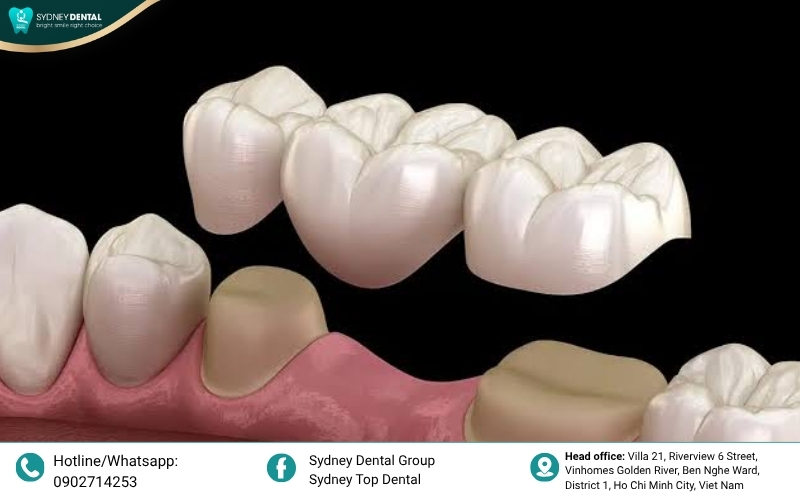
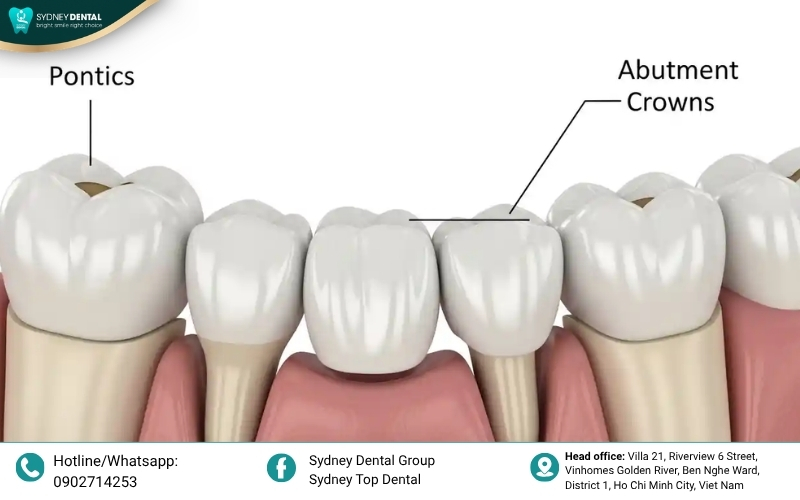
A fixed bridge is a prosthetic device that permanently replaces one or more missing teeth by anchoring to adjacent natural teeth. It typically consists of an artificial tooth, known as a pontic, which is fused between two crowns that fit over the surrounding healthy teeth. This structure ensures that the replacement tooth is securely held in place, providing both stability and durability for everyday use.
The bridge acts as a bridge span across the gap where the natural tooth used to reside in your gum line. By attaching to the natural tooth abutments on either side, it restores the continuity of your dental arch. This connection is permanent, meaning it does not need to be removed for cleaning like traditional dentures.
1.2. Common types of fixed dental bridges
Choosing the right material for your bridge is essential for balancing aesthetics, strength, and your personal budget. Here are the primary options currently available in modern dentistry to restore your smile effectively.
- Metal-ceramic bridges: These bridges consist of a durable metal base covered with a layer of tooth-colored porcelain for a natural look. They are highly regarded for their exceptional strength and are ideal for replacing teeth in the back of the mouth where biting forces are high. While very reliable, the underlying metal may occasionally show a thin gray line at the gum level over time.
- All-ceramic bridges: Crafted entirely from high-quality dental porcelain or zirconia, these bridges offer the most lifelike appearance possible today. They are perfect for front teeth where aesthetics are the primary concern, as they perfectly mimic the translucency of natural enamel. Furthermore, they are highly biocompatible and provide a metal-free solution for patients with sensitivities.
2. Why should you choose a fixed bridge instead of dentures?
Transitioning from a removable denture to a fixed bridge can be a life-changing decision for your comfort and daily convenience. Discover the compelling reasons why many patients prefer this permanent solution for their dental restoration needs.
2.1. Restoring perfect chewing function
Fixed bridges allow you to enjoy your favorite foods with the same confidence you had with your natural teeth. Because the bridge is securely anchored, it provides a stable biting surface that does not shift or slide while you are eating. This restoration of function ensures that you can chew efficiently, promoting better digestion and overall nutritional health.
By distributing the force of your bite evenly across the bridge and the supporting teeth, it prevents uneven wear on your remaining dentition. You will no longer need to worry about food particles getting trapped beneath a removable appliance during meals. This mechanical stability is one of the primary reasons why fixed bridges remain a gold standard in restorative dentistry.
2.2. Natural aesthetics and communication confidence
A fixed bridge is custom-designed to match the color, shape, and size of your existing teeth, making it virtually undetectable to others. This seamless integration allows you to smile, laugh, and speak with complete confidence, knowing your dental work looks entirely natural. You will no longer have to fear the social embarrassment often associated with loose or clicking dentures.
The improvement in your smile also has a profound psychological effect, often restoring the self-esteem that may have been lost due to tooth gaps. With a fixed bridge, you regain the ability to speak clearly and enunciate words without the interference of a bulky plastic base. This subtle yet significant change helps you maintain a professional and approachable appearance in all your interactions.
2.3. Preventing jawbone resorption and tooth shifting
When a tooth is missing, the neighboring teeth often begin to tilt or drift into the empty space, causing significant alignment issues. A fixed bridge acts as a structural stabilizer, holding the remaining teeth in their proper positions and preserving your dental arch. This prevention of shifting is critical for maintaining long-term oral health and avoiding complex orthodontic issues in the future.
While a bridge cannot stop jawbone loss as effectively as an implant, it provides the necessary stimulation to the area during chewing, which helps maintain gum tissue health. By filling the gap immediately, you prevent the collapse of surrounding tissues that occurs when teeth are left missing. Protecting your dental alignment today ensures that your mouth remains healthy and functional for many years to come.
3. The standard clinical process for a fixed bridge
The journey to a beautiful, functional smile involves a precise and professional clinical workflow tailored to your unique dental needs. Understanding these steps can help you feel comfortable and prepared throughout your treatment experience.
3.1. Examination and X-rays
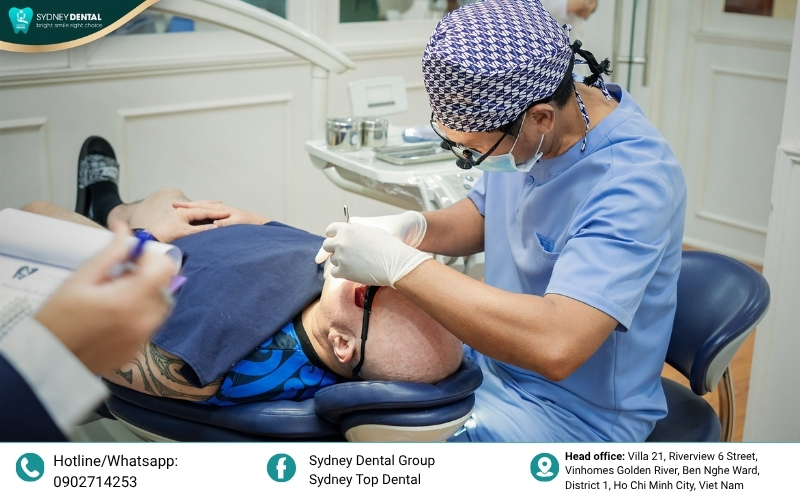
Before beginning, your dentist will conduct a comprehensive clinical examination to assess the health of your supporting teeth and surrounding gums. Digital X-rays are taken to ensure there is no hidden decay or bone loss in the area designated for the bridge. This critical planning stage ensures that your foundation is strong enough to support the permanent prosthesis.
During this visit, the dentist will also discuss your aesthetic goals and help you select the best materials for your specific situation. They will create a treatment plan that outlines the timeline and expectations for your new bridge. By carefully evaluating the site, your dentist minimizes the risk of complications and ensures a comfortable fit.
3.2. Tooth preparation and impressions
The preparation process involves carefully reshaping the anchor teeth to provide enough space for the custom crowns of the bridge. After the teeth are prepared, a highly accurate impression is taken to serve as a blueprint for the dental laboratory. This impression captures every detail of your teeth, ensuring the final bridge will fit perfectly against your gum line.
While your permanent bridge is being crafted by skilled technicians, you will be fitted with a temporary bridge to protect your teeth. This temporary measure maintains your bite and aesthetics while the laboratory fabricates the final restoration. Most patients find the temporary phase easy to manage and very comfortable.
3.3. Final placement of the fixed bridge
Once the permanent bridge is ready, your dentist will remove the temporary device and test the fit of your new restoration. They will carefully check the biting contact to ensure it aligns perfectly with your natural teeth and adjust it for maximum comfort. Once everything is confirmed, the bridge is permanently bonded to the anchor teeth using high-strength dental cement.
The final result is a secure and seamless restoration that feels and functions like your original teeth. Your dentist will provide instructions on how to maintain the area, ensuring your new bridge lasts for many years. This rewarding final step leaves you with the functional and aesthetic result you have been waiting for.
4. Who is a suitable candidate for a fixed bridge?
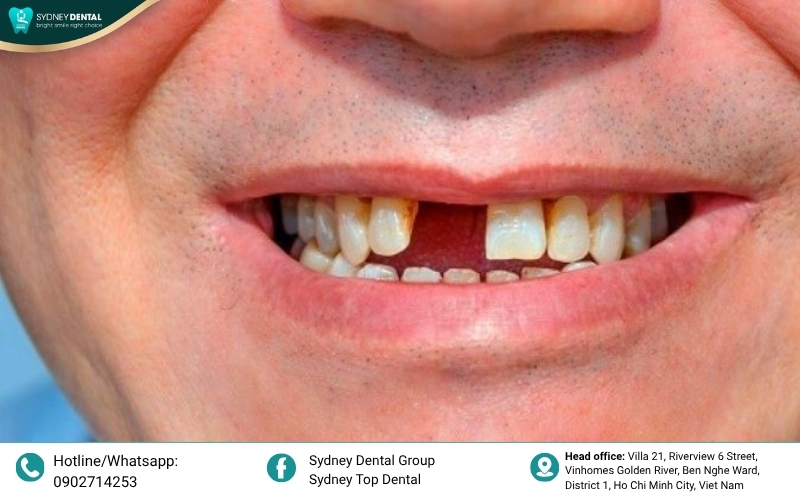
Generally, any patient with one or more missing teeth and healthy surrounding “abutment” teeth is a great candidate for a bridge. Your dentist will evaluate the root strength and bone health of your neighboring teeth to ensure they can adequately support the load of a bridge. If the adjacent teeth are already crowned or have large fillings, a bridge is often the most logical and efficient restorative choice.
Patients must also demonstrate a commitment to excellent oral hygiene to ensure the longevity of the bridge and the health of the supporting teeth. While fixed bridges are highly durable, they require regular brushing and flossing to prevent plaque buildup at the margins. If you have severe gum disease, you may need to complete periodontal treatment before your dentist can safely proceed with a bridge.
Ultimately, your dentist will help you decide if a bridge is the superior choice compared to other options like dental implants. If you value a proven, non-surgical approach to tooth replacement that yields quick results, you are likely an ideal candidate. Schedule a consultation today to discover how a fixed bridge can restore your oral health and confidence.
5. How long do fixed bridges last and how to maintain them?
With proper care, a high-quality fixed bridge can last between 10 to 15 years or even longer. The longevity of your bridge is largely dependent on the health of the supporting natural teeth and the quality of your daily oral hygiene routine. Consistent visits to the dentist for professional cleanings and check-ups are essential to detect any early signs of wear or decay.
To maintain your bridge, you must brush at least twice daily and use specialized tools like floss threaders or interdental brushes to clean under the pontic. These tools are crucial for removing food debris that can accumulate in the space between the bridge and your gums. Avoiding habits like chewing on ice, pens, or opening packages with your teeth will also protect the porcelain from chipping.
Consistency is the secret to a long-lasting restoration that continues to look and feel great. If you ever notice the bridge feels loose or if you experience sensitivity, contact your dentist immediately for an evaluation. By taking proactive steps, you can ensure that your fixed bridge provides years of reliable service and a beautiful, healthy smile.
6. Frequently Asked Questions (FAQ)
Common concerns regarding dental bridges are usually addressed by your dentist to ensure complete peace of mind. Here are some of the most frequent questions patients ask when considering this treatment.
6.1. Does getting a fixed bridge cause pain?
The process of getting a bridge is virtually painless because your dentist will use local anesthesia to numb the entire area during preparation. While you might experience mild sensitivity or gum tenderness for a few days after the procedure, this is easily managed with standard over-the-counter medication.
6.2. How much does a fixed bridge cost?
The cost of a fixed bridge varies depending on the number of missing teeth, the materials chosen, and the complexity of your specific dental case. It is best to schedule a consultation so your dentist can provide a personalized quote based on your unique needs.
6.3. Do I need to avoid certain foods after the procedure?
It is recommended to avoid excessively sticky or hard foods immediately after your bridge is placed to allow the cement to fully set. However, once you have adjusted to the bridge, you can resume a normal diet while being mindful of extremely crunchy items that could potentially damage the porcelain.
6.4. Can a fixed bridge completely replace dental implants?
While a fixed bridge is a fantastic and time-tested option, it does not replace the root structure in the jawbone like a dental implant does. Dental implants are a distinct procedure that prevents bone loss entirely, so your dentist will advise you based on your bone density and long-term oral health goals.
In conclusion, fixed bridges offer a reliable, aesthetic, and efficient path to restoring your missing teeth and overall dental function. By choosing this solution, you invest in your long-term oral health and significantly enhance your daily quality of life. Consult with your local dental professional today to see how a custom-designed bridge can help you reclaim your perfect smile.
Sydney Top Dental
📍 Address: No. 21, Riverview 6 Street, Vinhomes Golden River Villas, Ben Nghe Ward, District 1, Ho Chi Minh City
📞 Hotline: 090 271 42 53
🌐 Facebook: Sydney Top Dental


Our Doctors
Get a Free Initial Consultation