
- 1. What is an Abutment? Its Position and Importance
- 2. Common Types of Implant Abutments
- 3: Top 5 Leading Implant Abutment Brands
- 4. The Procedure for Attaching the Abutment
- 5. How Much Do Abutments Cost? Factors Influencing Price
- 6. Care and Prevention of Abutment Complications
- 7. Frequently Asked Questions (FAQ)
Dental implants have revolutionized modern dentistry, offering the most effective solution for replacing missing teeth. While patients often focus on the implant post and the crown, a critical component known as the abutment is what ensures the long-term success of the entire restoration. This article provides a comprehensive guide to understanding this vital connector, its functions, and why it is essential for a durable, aesthetic, and functional smile.
1. What is an Abutment? Its Position and Importance
Understanding the anatomy of a dental implant is essential for any patient considering restorative surgery. The abutment serves as the fundamental bridge between the foundation in your jawbone and the visible prosthetic tooth.
1.1. Definition & Positioning
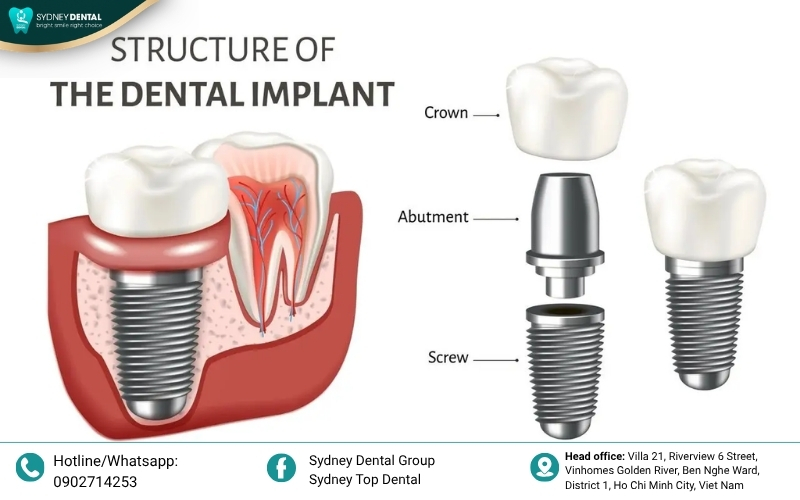
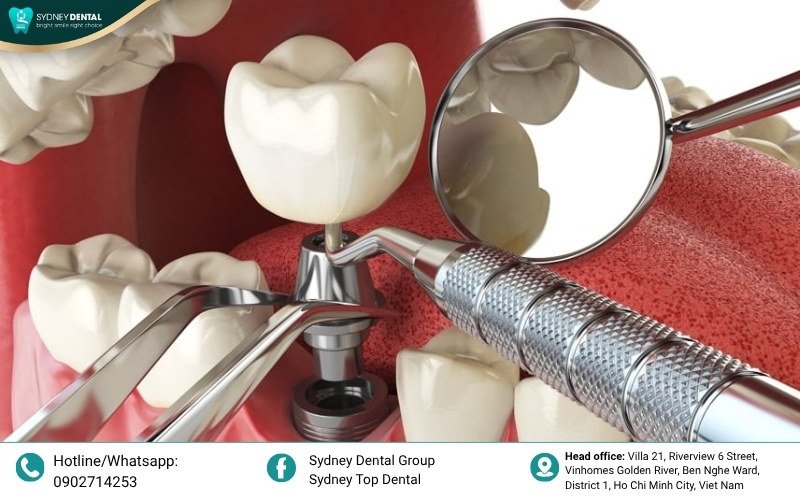
An abutment is a specialized connector designed to link the dental implant post—which is surgically embedded in the jawbone—to the prosthetic crown. It sits at the interface between the gingival tissue and the oral cavity, acting as the structural base for the new tooth. By providing a secure attachment point, it ensures that the restorative crown remains stable and functional throughout daily use.
This component is typically crafted from high-grade, biocompatible materials such as titanium or zirconia. Once the implant has fully integrated with the bone, the abutment is attached to provide a firm platform for the final restoration. Its precise positioning allows the dentist to achieve an aesthetic result that mimics the natural emergence profile of a healthy tooth.
1.2. Technical Structure
The physical structure of an abutment is engineered for both mechanical stability and hygiene within the oral environment. It primarily consists of a main body, a fixation screw, and a specialized margin line that sits at the gum level. Each of these parts is manufactured with high-precision engineering to ensure a hermetic seal against the implant post.
The screw is the most critical element, as it must be tightened to specific torque values to prevent any micro-movement. The margin line is meticulously designed to allow the gum tissue to heal and adapt perfectly to the shape of the abutment. Finally, the main body is shaped to support the crown in a way that distributes biting forces evenly across the entire implant system.
1.3. Core Functions
The abutment is not merely a piece of hardware; it is the linchpin that dictates the success and longevity of the entire implant restoration. Without this interface, a stable and aesthetic crown could not be securely connected to the underlying bone structure.
- Securely fixing the crown to the implant post: The abutment provides the necessary mechanical stability to lock the crown firmly onto the implant post. This ensures that the replacement tooth does not shift or loosen during regular activities like chewing or speaking.
- Contouring the gum line for a natural look: By design, the abutment helps guide the soft tissue to form a natural contour around the crown. This anatomical accuracy is what makes an implant restoration virtually indistinguishable from a natural tooth.
- Withstanding biting forces and preventing bacterial infiltration: The abutment acts as a shock absorber that effectively transfers chewing forces to the jawbone. Furthermore, its precise fit creates a barrier that prevents harmful bacteria from colonizing the space inside the implant connection.
2. Common Types of Implant Abutments
To meet the diverse anatomical needs of patients, dentists utilize various types of abutments based on specific clinical requirements. Choosing the right type depends on the location of the missing tooth and the desired aesthetic outcome.
2.1. Classification by Material
Selecting the appropriate material requires a balance between biological compatibility, mechanical strength, and aesthetic demands. Dentists carefully assess each case to recommend the best option for long-term oral health.
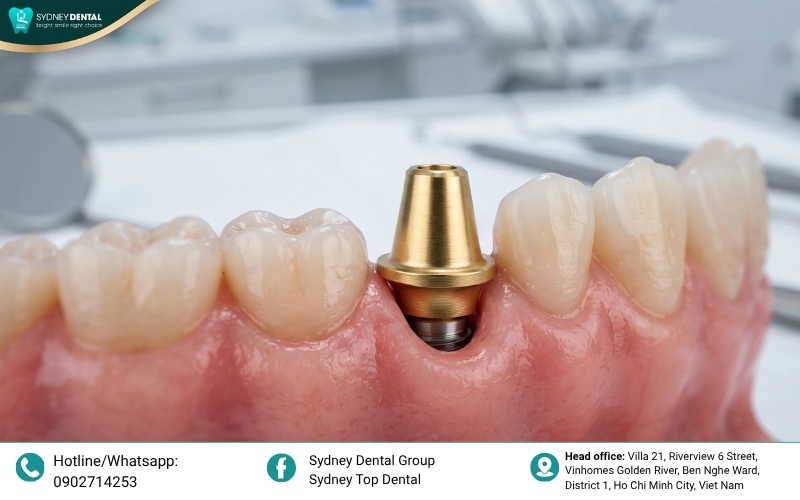
Titanium Abutments: Titanium is renowned for its exceptional strength and ability to withstand high chewing forces, making it the standard choice for posterior teeth. It offers a reliable and long-lasting solution for patients requiring robust support in the back of the mouth. You may want to review our [Comparison of Zirconia and Titanium crowns] to understand the differences in material properties.
Titanium abutments are highly biocompatible, meaning they integrate safely with the surrounding gum tissue. While they are incredibly durable, they can sometimes appear slightly darker in patients with thin gum biotypes. However, this is rarely an issue for back teeth where functional strength is prioritized over high-level aesthetics.
Zirconia Abutments: Zirconia abutments are the preferred choice for patients seeking a high-end aesthetic result, particularly in the front teeth region. Their natural white color eliminates the risk of a dark “halo” effect at the gum line, ensuring a seamless smile.
These abutments are crafted from high-strength ceramic material that is both durable and gentle on soft tissues. They provide the perfect foundation for all-ceramic or zirconia crowns, offering superior light reflection. Choosing zirconia ensures that your restoration remains beautiful and natural-looking for many years to come.
2.2. Classification by Design (Standard vs. Custom)
Customization is a hallmark of modern dentistry, allowing for solutions that are specifically tailored to an individual’s unique oral anatomy. While standard options exist, custom designs provide a more personalized approach.
- Standard Abutment: These are pre-manufactured components available in various sizes and angles from the implant manufacturer. While they offer a cost-effective solution, they may not perfectly match the specific gum architecture of every patient. Dentists use these when the case profile fits the standardized dimensions, ensuring a reliable but less personalized fit.
- Customized Abutment (CAD/CAM): These are digitally designed using CAD/CAM technology to mirror the exact contours of the patient’s gingival tissue. By replicating the natural shape of the tooth base, they optimize the emergence profile and significantly reduce the risk of food impaction. This precision-focused approach enhances both comfort and the health of the surrounding gum tissues.
2.3. Classification by Crown Fixation Method
The method of attaching the crown to the abutment is a critical decision that impacts the maintenance and aesthetics of the final restoration.
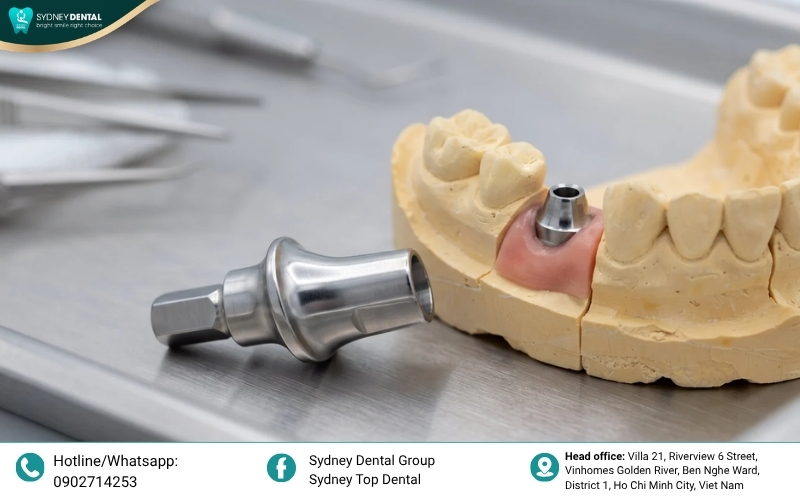
- Screw-retained Abutment: This method uses a screw to secure the crown, which allows for easy removal if the dentist needs to perform maintenance or repairs. It is highly favored for its predictability and the simplicity of future clinical adjustments.
- Cement-retained Abutment: This technique involves bonding the crown to the abutment using a special dental cement for a smooth, screw-hole-free surface. It is often chosen when the angle of the implant makes a screw-access hole aesthetically undesirable or difficult to manage.
3: Top 5 Leading Implant Abutment Brands
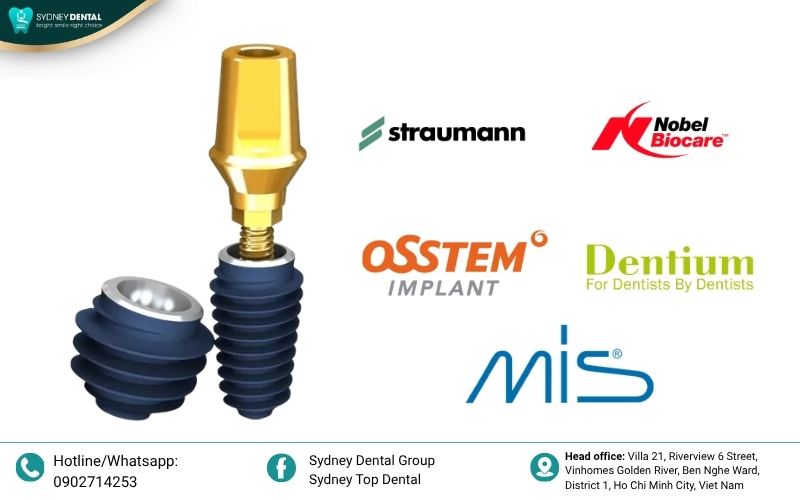
Selecting a high-quality implant system is essential to ensuring that the abutment components are precise and durable. We recommend only the most reputable global brands to guarantee the longevity of your dental investment.
3.1. Straumann (Switzerland)
Straumann is globally recognized as the pioneer of dental implant technology, known for its Swiss-engineered precision and reliability. Their abutments are designed to provide perfect integration with the implant post, ensuring unmatched stability.
The company consistently invests in research to improve the mechanical connection between the abutment and the crown. Patients choosing Straumann benefit from decades of clinical studies and a proven track record of long-term success.
3.2. Nobel Biocare (USA)
Nobel Biocare is one of the oldest and most trusted names in the implant industry, offering a comprehensive range of abutment solutions. Their systems are highly versatile, allowing for successful treatment even in complex clinical scenarios. (Learn more about why [Nobel Biocare implants are so highly regarded] in our detailed guide).
Their abutments are known for their precision fit, which is critical for preventing bacteria from entering the implant site. Nobel Biocare remains a top choice for dental professionals worldwide due to their commitment to quality and innovation.
3.3. Dentium & Osstem (South Korea)
Dentium and Osstem have become the most popular choices for patients seeking a balance between high performance and affordability. These systems offer excellent stability and are widely used in modern clinical practice for their reliable outcomes.
The abutments from these brands are designed to be user-friendly for dentists while maintaining high standards of biocompatibility. With extensive availability, they are an excellent option for patients looking for high-quality, cost-effective treatment.
3.4. MIS (Israel)
MIS is highly regarded for its smart design and wide variety of abutment options to fit every anatomical need. Their products are engineered to be robust, ensuring that the connection stays secure even under significant daily pressure.
The versatility of the MIS system allows surgeons to customize the treatment plan to suit the specific bone and gum health of the patient. Their commitment to technological simplicity makes them a preferred brand for many clinics focused on efficiency and success.
4. The Procedure for Attaching the Abutment
The attachment of the abutment is a refined procedure that requires precision and careful handling to ensure optimal healing. Following a strict, pain-free protocol allows the dentist to achieve excellent long-term results for the patient.
4.1. Step 1: Verification of Osseointegration
Before the abutment is placed, the dentist performs a thorough examination to ensure the implant has fully integrated with the jawbone. Radiographic images are used to confirm that there is no inflammation and the bone has successfully locked the implant in place. This step is fundamental to ensuring a stable foundation for the upcoming restoration.
4.2. Step 2: Healing Abutment Placement
The dentist gently exposes the top of the implant and attaches a temporary “healing abutment” to guide the surrounding gum tissue. This component stays in place for about 7 to 14 days, helping the gums develop a natural, healthy shape. This healing period is essential for creating an aesthetic emergence profile before the final crown is seated.
4.3. Step 3: Final Placement and Impression
Once the gums have healed perfectly, the temporary healing piece is removed and the permanent abutment is carefully screwed into place. The dentist then uses high-precision materials to take an impression of the dental arch. This impression will be used to manufacture a crown that fits the abutment and your bite with absolute accuracy.
4.4. Is the procedure painful?
The procedure for attaching the abutment is generally quick and performed under local anesthesia, ensuring the patient feels minimal to no discomfort. Most patients are surprised by how routine the process is, often returning to their daily activities almost immediately. For more reassurance, you can read more about [Whether dental implant surgery is painful] to ease any pre-treatment anxiety.
5. How Much Do Abutments Cost? Factors Influencing Price
The cost of an abutment is influenced by several critical factors, including the material used, the manufacturing technology (standard vs. custom), and the brand origin. High-quality materials like zirconia and custom CAD/CAM designs generally carry a higher price tag due to the advanced precision involved in their production. Please note that the price of the abutment is typically bundled into the overall implant surgery package rather than charged as a separate fee.
It is important to understand that investing in a high-quality abutment is an investment in the long-term success and aesthetic outcome of your restoration. Choosing the correct material ensures that the abutment remains stable and free from complications for many years. We strongly recommend that you check our [Latest comprehensive implant pricing guide] to stay informed about current costs and avoid any unexpected financial surprises.
By selecting a reputable clinic, you ensure that the cost covers high-end components that are guaranteed for safety and performance. Transparency in pricing is essential, so always discuss the breakdown of your treatment plan with your dentist during the initial consultation. Quality, durability, and biological harmony are worth every penny when it comes to your permanent smile.
6. Care and Prevention of Abutment Complications
Maintaining the health of your abutment requires the same dedication as caring for your natural teeth. Daily hygiene routines should include the use of high-quality dental floss, water flossers, and interdental brushes to remove plaque from around the abutment. Keeping this area clean prevents the accumulation of bacteria that could lead to peri-implantitis or other serious complications.
Watch out for any changes in your oral health, such as a sensation of the crown loosening, persistent gum swelling, or bleeding during brushing. These can be warning signs of a loose abutment screw or the onset of infection, which require professional attention. You can find more helpful information on recognizing [Signs of peri-implantitis] to protect your long-term investment.
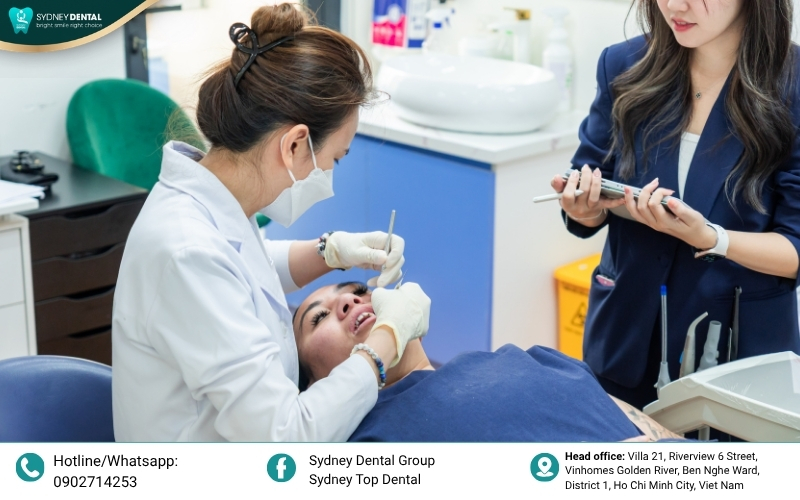
Regular check-ups every six months are non-negotiable for patients with dental implants. During these visits, your dentist will use a torque wrench to check the tightness of the abutment screw and ensure the integrity of the connection. Prevention is always more effective and affordable than fixing a fully developed problem later on.
7. Frequently Asked Questions (FAQ)
Common questions often arise regarding the maintenance and selection of abutment components. Here are the most frequently asked questions to help you understand your dental implant journey better.
7.1. Can a dental implant abutment last a lifetime?
Yes, an abutment can last a lifetime if it is made of high-quality materials and maintained through excellent daily oral hygiene and regular professional check-ups.
7.2. Should I choose Titanium or Zirconia?
You should choose titanium for back teeth where chewing force is high, while zirconia is the superior choice for front teeth where aesthetic appearance is the primary priority.
7.3. What should I do if the abutment screw feels loose?
You must visit your dental clinic immediately so the doctor can retighten the screw with a calibrated torque tool; never attempt to adjust it at home.
7.4. Does attaching the abutment take a long time?
The process of attaching the abutment is quite simple and usually takes only 15 to 30 minutes to complete with minimal discomfort.
The abutment is the unsung hero of your dental implant, acting as the vital link that ensures your new tooth is as stable and beautiful as your natural ones. To achieve the best results, it is essential to choose a professional dental clinic equipped with advanced CAD/CAM technology that can provide a custom-fit solution tailored specifically for you. Don’t let missing teeth affect your confidence any longer; book your consultation and get a free CT ConeBeam scan today to start your journey toward a perfect smile.
Sydney Top Dental
📍 Address: No. 21, Riverview 6 Street, Vinhomes Golden River Villas, Ben Nghe Ward, District 1, Ho Chi Minh City
📞 Hotline: 090 271 42 53
🌐 Facebook: Sydney Top Dental


Our Doctors
Get a Free Initial Consultation