
Many people rely on traditional dentures to restore their smile, but often find that their appliances become increasingly uncomfortable and loose after just a few years of use. This common issue is frequently caused by a silent, progressive condition known as bone loss with dentures, which significantly alters your oral health. Understanding how bone loss with dentures occurs is the first step toward reclaiming a stable, confident, and healthy smile.
1. Why Do Dentures Lead to Bone Loss?
The relationship between removable dentures and your jawbone is more complex than simply wearing a piece of plastic over the gums. While dentures provide a temporary aesthetic fix, they unfortunately fail to provide the essential biological stimulation that your jawbone requires to remain strong and healthy.
1.1. Mechanism of Natural Jawbone: When there are no teeth, the bone lacks chewing stimulation.
The human jawbone relies on the constant pressure and stimulation provided by natural tooth roots during chewing to maintain its density. When teeth are lost, this mechanical stress disappears, signaling the body to begin reabsorbing the bone tissue. Without this vital load-bearing function, the alveolar bone gradually begins to shrink in both height and width over time.
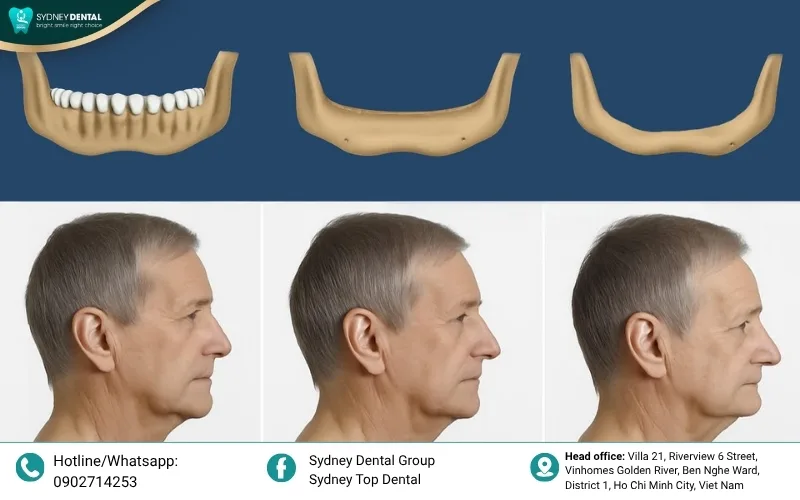
1.2. The Impact of Dentures: Why dentures cannot prevent bone resorption.
Removable dentures sit directly on top of the gums, providing no direct attachment or stimulation to the underlying bone structure. In fact, the constant pressure of the denture base against the gum tissue can often accelerate the rate of bone atrophy. Because they do not replace the natural root, dentures act merely as a cover rather than a functional replacement that preserves skeletal integrity.
2. Signs That Your Jawbone Is Resorbing
Removable dentures sit directly on top of the gums, providing no direct attachment or stimulation to the underlying bone structure. In fact, the constant pressure of the denture base against the gum tissue can often accelerate the rate of bone atrophy. Because they do not replace the natural root, dentures act merely as a cover rather than a functional replacement, making bone loss with dentures an inevitable outcome for many long-term wearers.
- Dentures become loose and prone to falling: As the underlying bone volume diminishes, the foundation supporting your dentures shrinks, causing the appliance to lose its snug fit. You may find yourself relying heavily on adhesives just to keep your dentures in place throughout the day. This instability often leads to embarrassing moments in public and a constant fear that your teeth might slip while speaking or eating.
- Facial structure changes (sunken lips, wrinkles around the mouth): The jawbone acts as the framework for your facial muscles, so as it resorbs, the lower third of your face begins to collapse inward. This structural loss results in the characteristic “sunken” look, deepening wrinkles around the corners of your mouth and nose. Over time, these changes can make you appear significantly older than your actual age due to the loss of soft tissue support.
- Pain in the gums while chewing: With the loss of bone height, your denture base may begin to rub against sensitive gum tissue or even expose underlying bone ridges. This constant irritation often results in painful sore spots, inflammation, and discomfort that makes eating your favorite foods nearly impossible. Chronic pain in the gums is a clear indicator that your oral appliance no longer fits your changing anatomy.
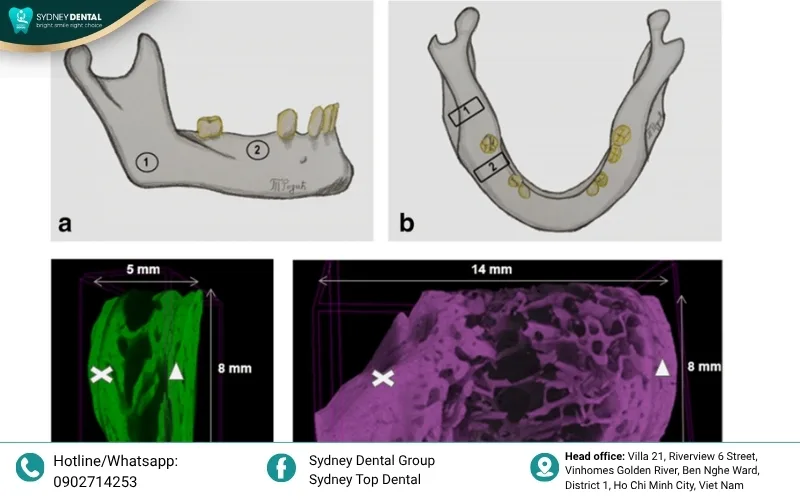
3. Severe Consequences of Neglecting Treatment
Ignoring the signs of bone loss can lead to complex health complications that go far beyond simple dental discomfort. Early intervention is essential to prevent long-term functional loss and to maintain your overall quality of life.
- Changes in facial structure causing premature aging: The loss of bone support leads to a significant reduction in the volume of the lower face, causing the cheeks and lips to sag inward. This process permanently alters your facial profile, creating a withered appearance that cannot be corrected by aesthetic creams or surgery alone. Preserving your jawbone is essentially preserving the natural contours of your face and maintaining a youthful appearance.
- Impact on chewing ability and digestive health: When your dentures no longer fit properly, your ability to break down food efficiently is severely compromised, forcing you to restrict your diet to softer, often less nutritious options. Inadequate chewing can lead to poor digestion and increased strain on your gastrointestinal system as it tries to process poorly masticated food. Maintaining a strong, stable bite is vital for ensuring your body receives the necessary nutrients from a well-balanced diet.
- Difficulty for future dental implants (due to bone deficiency): If you eventually decide to switch to more stable solutions like dental implants, significant bone loss can make the procedure much more challenging or even impossible without additional surgeries. Severe resorption often requires extensive bone grafting procedures to create a suitable foundation for implant posts, which increases both the cost and the recovery time of your treatment. Addressing bone loss early ensures that you remain a candidate for modern, high-quality tooth replacement options.
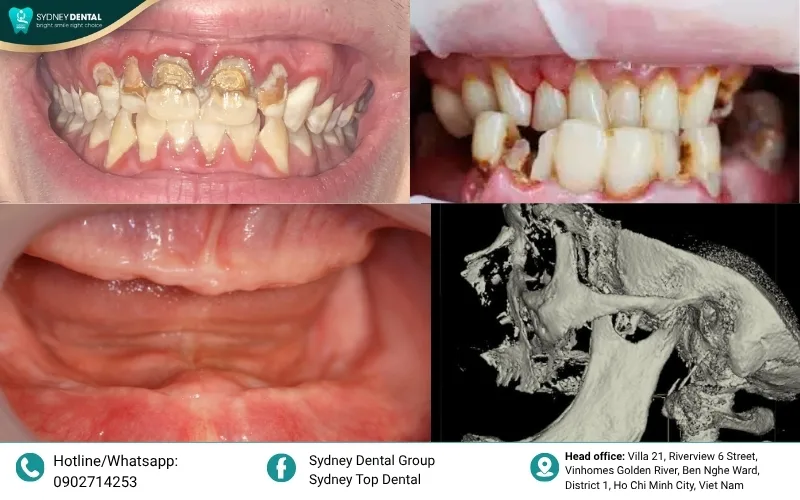
4. Solutions to Prevent and Reverse Bone Loss
While bone loss is a serious concern, there are proactive steps you can take to stop the progression and restore your oral health. By working closely with a dental professional, you can choose the best path to stabilize your jaw and improve your comfort.
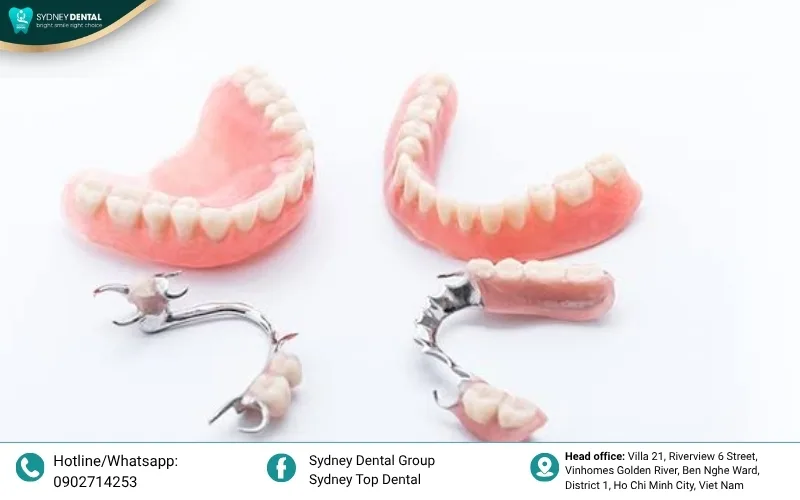
4.1. Regular Check-ups and Denture Relining.
Regular dental appointments allow your dentist to monitor the fit of your dentures and detect signs of bone shrinkage early. Through a process called relining, the base of your denture is adjusted to compensate for the changes in your gum tissue, providing a better temporary fit. While this does not stop bone loss, it reduces friction and prevents immediate trauma to the gum tissue.
4.2. Dental Implants – The “Gold Standard” for Bone Preservation.
Dental implants are the only solution that replaces both the tooth crown and the root, providing the necessary stimulation to the jawbone. By mimicking natural tooth roots, implants signal the body to maintain bone density and prevent further resorption in the surrounding area. This restorative process creates a solid, permanent foundation that allows you to chew, speak, and smile with confidence once again.
4.3. Bone Grafting and Sinus Lifts (If bone loss is severe).
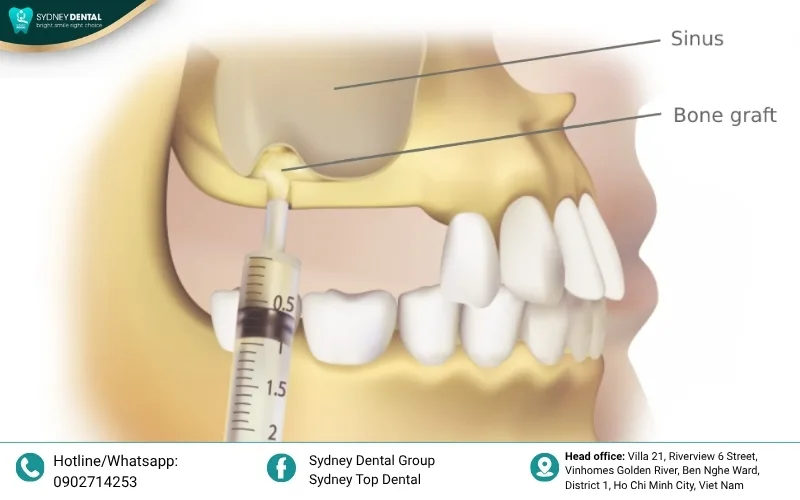
When significant bone loss has already occurred, bone grafting procedures can be used to rebuild the necessary volume for dental implant placement. During this procedure, donor bone or synthetic material is placed in the affected area, where it integrates with your natural bone over several months. In cases where the upper jaw lacks sufficient bone, a sinus lift may be performed to gently lift the sinus floor and add grafting material to the upper arch.
5. Expert Advice for Denture Wearers
Maintaining proper oral hygiene is just as critical for denture wearers as it is for those with natural teeth. Be sure to clean your dentures daily and massage your gums to stimulate blood flow. Furthermore, do not hesitate to contact your dentist immediately if you notice any new pain, looseness, or changes in your facial appearance-these are often the first red flags that bone loss with dentures is worsening. Taking a proactive approach will save you from more invasive procedures in the future.
Furthermore, do not hesitate to contact your dentist immediately if you notice any new pain, looseness, or changes in your facial appearance. Taking a proactive approach to your dental health will save you from more invasive procedures and long-term discomfort in the future.
6. Frequently Asked Questions (FAQ)
6.1. How long does it take for the jawbone to start resorbing after tooth loss?
Bone resorption begins almost immediately after a tooth is lost, with the most significant reduction in bone volume occurring within the first year.
6.2. Does wearing dentures at night worsen bone loss?
Yes, wearing dentures 24/7 deprives your gums of rest and can lead to increased inflammation and faster bone atrophy; it is best to remove them at night.
6.3. Can dental implants really stop bone loss completely?
Yes, because dental implants provide the mechanical stimulation that the jawbone needs, they effectively mimic natural teeth and prevent further bone resorption.
6.4. Is the cost of bone restoration treatments expensive?
While procedures like bone grafting represent an investment, they are necessary for long-term health and are often more cost-effective than the recurring costs of replacing poorly fitting dentures.
Bone loss is a silent but significant challenge for many denture wearers, but it is not a condition you have to accept. By prioritizing regular professional check-ups and exploring advanced solutions like dental implants, you can successfully protect your jawbone and preserve your facial structure. Take the first step toward a more stable and healthy future today by scheduling a comprehensive consultation with our specialized dental team.
Sydney Top Dental
📍 Address: No. 21, Riverview 6 Street, Vinhomes Golden River Villas, Ben Nghe Ward, District 1, Ho Chi Minh City
📞 Hotline: 090 271 42 53
🌐 Facebook: Sydney Top Dental


Our Doctors
Get a Free Initial Consultation