
The jawbone serves as the vital foundation for your teeth, providing the necessary support and stability for every bite you take. When a tooth is lost, the surrounding bone no longer receives the mechanical stimulation it needs, leading to a natural resorption process known as bone loss. However, you do not have to settle for missing teeth; modern dentistry offers effective solutions to restore your smile. A question we frequently hear is: “If you have bone loss can you get dental implants?” The answer is a resounding yes, thanks to advanced regenerative techniques.
1. Why Does Tooth Loss Lead to Bone Loss?
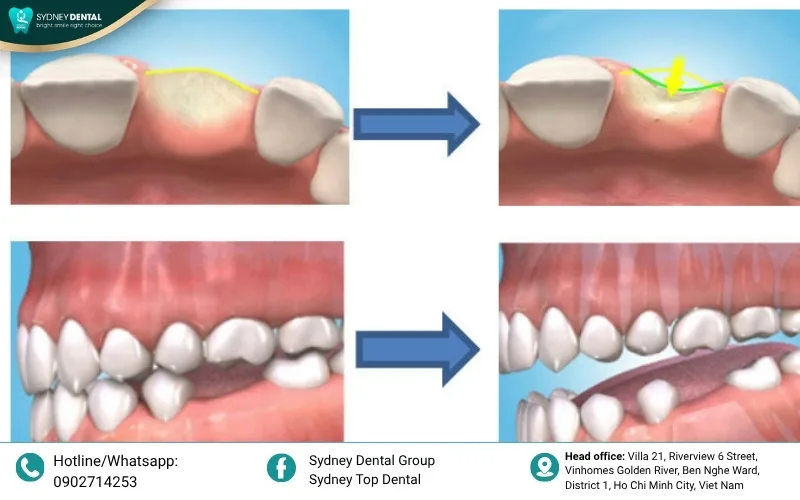
The jawbone follows a biological principle often described as “use it or lose it.” When you chew, the roots of your teeth transmit pressure to the bone, which signals the body to maintain bone density. Without this constant stimulation, the bone begins to atrophy. If you are wondering “if you have bone loss can you get dental implants,” it is important to understand that early treatment is key to preventing further facial structure changes.
As the bone density decreases, the physical support for your facial structure gradually fades away. This leads to visible aesthetic changes, such as a sunken appearance around the mouth and sagging cheeks. Over time, this “bone resorption” can make you appear much older than your actual age, fundamentally altering your facial profile.
If left unaddressed, the shrinkage of the jawbone can create a cascade of oral health issues that go beyond just aesthetics. It makes the remaining healthy teeth more prone to shifting, leading to bite misalignment and increased stress on the jaw joints. Therefore, treating bone loss early is essential to maintaining both your facial structure and your long-term dental health.
2. Can You Get Dental Implants If You Have Bone Loss?
The short answer is yes, you can still be a candidate for dental implants even if you have experienced bone loss. While the procedure may require extra steps to prepare the area, modern advancements in oral surgery have made it possible for almost anyone to regain a full, functional smile. Your dentist will need to perform a comprehensive evaluation to determine the extent of the resorption and customize a treatment plan that ensures long-term implant success.
To make this possible, dental professionals utilize various regenerative procedures that rebuild the missing foundation. These supplemental treatments act as a bridge, allowing the jaw to recover the necessary volume for a secure implant placement. By addressing the bone deficiency first, we create a stable environment that guarantees the implant will remain firmly anchored for many years.
2.1. Bone Grafting (Autogenous or Synthetic)
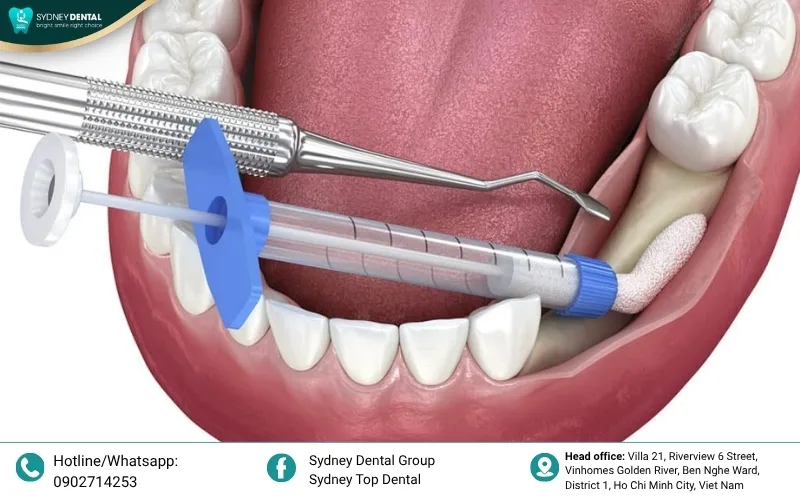
Bone grafting is the most common procedure used to restore the jawbone’s volume and density. This material acts as a scaffold, encouraging your body to grow new, healthy bone tissue. For those searching for answers regarding “if you have bone loss can you get dental implants,” bone grafting is the gold-standard solution that transforms a deficient site into a solid foundation.
Once the graft is placed, it integrates with your existing jawbone during a healing period of several months. This biological integration is crucial because it creates a robust, solid foundation capable of supporting the pressure of a dental implant. Once the area has solidified, it becomes indistinguishable from the surrounding natural bone structure.
Many patients wonder if the graft is permanent, and the answer is that it becomes a vital part of your own anatomy. As your body heals, the grafted material is gradually replaced by your own natural bone cells through a process called remodeling. This ensures that the final foundation is durable, stable, and perfectly prepared for the subsequent implant surgery.
2.2. Sinus Lifts (For Upper Jaw)
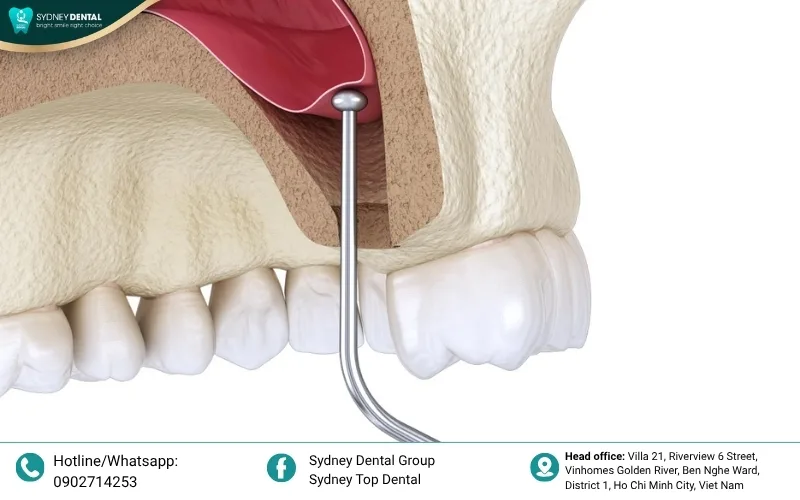
When bone loss occurs in the upper jaw, particularly near the back, the maxillary sinus cavity may expand downward, leaving insufficient bone height. A sinus lift is a specialized surgical procedure designed to elevate the sinus membrane to make room for new bone graft material. This allows the surgeon to create the depth needed to anchor dental implants securely in the upper arch.
The procedure is highly effective for patients who have lost molars and premolars due to gum disease or long-term tooth absence. By gently lifting the sinus floor and placing graft material underneath, we can significantly increase the bone thickness in the posterior region. This restores the structural integrity of the jaw, providing a safe space for successful implant placement.
While it sounds complex, a sinus lift is a standard, predictable procedure performed by experienced oral surgeons. With proper anesthesia and modern surgical techniques, the procedure is very safe and recovery is generally straightforward. After a few months of healing, the area provides a perfect, dense bed for your new dental implants.
2.3. Barrier Membranes (Guided Bone Regeneration)
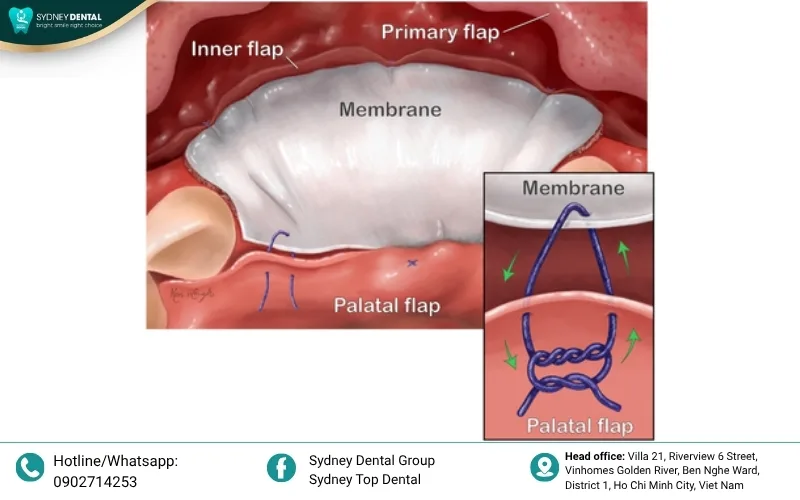
Barrier membranes are specialized, biocompatible materials used during bone grafting to protect the developing bone from faster-growing soft tissue. This technique, known as Guided Bone Regeneration (GBR), is essential for achieving precise results. It effectively resolves the concerns of many patients who ask, “if you have bone loss can you get dental implants,” by rebuilding missing contours of the jaw.
The membrane essentially acts as a “shield,” maintaining the volume of the graft while the body works to convert it into hard, healthy bone. Depending on the specific clinical needs, some membranes are resorbable and will naturally dissolve, while others may need to be removed during a follow-up visit. This controlled environment is what allows for the predictable regeneration of complex bone structures.
This technology has revolutionized how dentists handle challenging cases involving severe bone loss. It enables us to rebuild missing contours of the jaw, ensuring that the final aesthetic result looks natural and symmetrical. By providing this protected space for growth, we significantly increase the success rates of dental implants in even the most difficult anatomical situations.
3. The Implant Process for Patients with Bone Loss
Preparing for a dental implant when bone loss is present requires a structured, multi-phase approach to ensure long-term stability and success. Here is how the journey to your new smile is professionally managed.
3.1. Step 1: CT Cone Beam Assessment
The process begins with a high-resolution 3D CT scan to provide a detailed view of your jawbone’s current state. This imaging allows the dentist to precisely measure bone volume, identify the position of nerves, and map out the exact site for the graft and implant. Without this diagnostic tool, achieving a safe and accurate placement would be nearly impossible.
This digital roadmap is the foundation of your entire treatment plan and minimizes the risk of complications during surgery. By visualizing the bone structure in 3D, your surgeon can anticipate any challenges and prepare the necessary grafting materials in advance. This level of preparation ensures that your path to a full smile is as smooth and predictable as possible.
3.2. Step 2: Personalized Treatment Planning
Once the imaging data is analyzed, the dental team develops a customized plan that balances grafting requirements with your specific aesthetic goals. We determine whether you need a minor graft or a more significant procedure like a sinus lift before the implant can be placed. This plan is fully transparent, outlining every stage of the process so you know exactly what to expect.
The plan also considers your medical history and lifestyle factors that could influence bone healing. By tailoring the approach to your unique biological needs, we significantly increase the chances of successful integration. This personalized strategy is what distinguishes a standard procedure from a truly high-quality dental restoration.
3.3. Step 3: Performing the Bone Graft
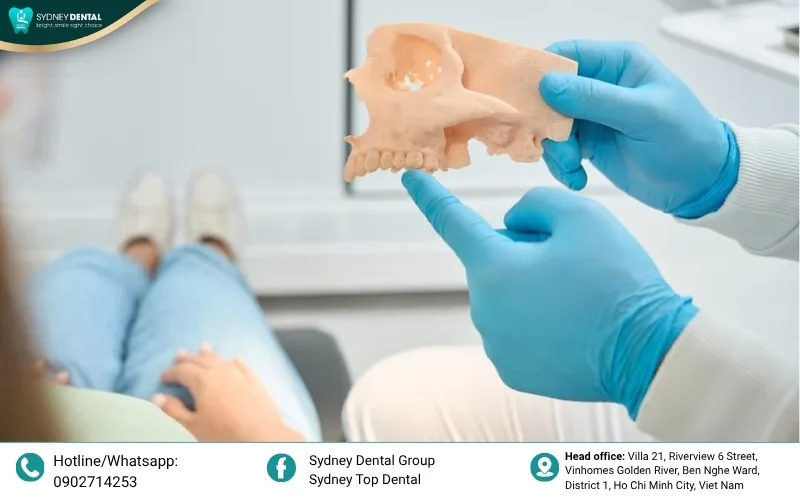
The surgical phase begins with the bone grafting procedure, which is performed under local anesthesia to ensure your complete comfort. The graft material is carefully placed into the target area to stimulate new bone growth and restore the necessary density. You will then be given time to heal, allowing your body to fully integrate the new bone material.
This healing period usually ranges from three to six months, depending on the volume of the graft and your body’s natural response. During this time, the graft becomes a permanent, integral part of your jawbone structure. Once our team confirms that the bone density is sufficient, we can proceed to the next step of your treatment.
3.4. Step 4: Implant Placement and Restoration
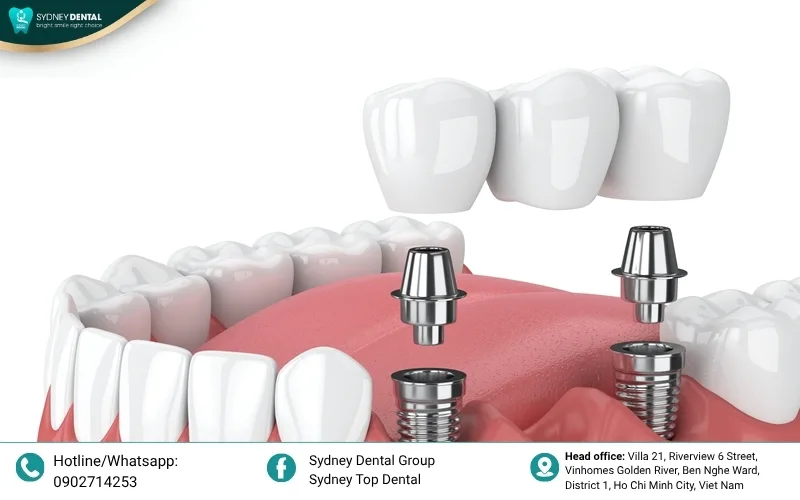
With a solid foundation now established, the surgeon performs the procedure to insert the titanium implant into the jawbone. This post acts as a replacement root and will undergo a final integration process known as osseointegration. Once the implant is fully fused, a custom-made crown is attached, completing your transformation.
The final result is a functional, lifelike tooth that looks, feels, and performs exactly like your natural one. Not only does it restore your ability to eat and speak with confidence, but it also helps prevent further bone loss in the future. This lasting solution is the most effective way to protect your oral health for years to come.
Learn more: Sydney Top Dental Review: Real Smile Transformation Story
4. Factors Affecting Success
Your overall health, including management of conditions like diabetes or heart disease, plays a significant role in how well your body heals. Smoking is also a critical factor that can negatively impact the success of bone grafts. When considering “if you have bone loss can you get dental implants,” it is essential to work with a specialist who utilizes state-of-the-art tools to minimize risks and ensure long-term success.
Smoking is one of the most critical factors that can negatively impact the success of bone grafts and implants. Nicotine restricts blood flow to the gums and jaw, which drastically slows down the healing process and increases the risk of infection. We strongly recommend quitting smoking, or at least abstaining during the recovery period, to give your surgery the best chance of success.
The skill of your surgeon and the technology used at the dental clinic are also decisive factors in your treatment outcome. Choosing a practitioner who specializes in implantology and utilizes state-of-the-art tools ensures that every procedure is handled with precision. When advanced expertise meets modern technology, the risks are minimized, and the long-term results are significantly improved.
5. Frequently Asked Questions (FAQ)
5.1. Is bone grafting painful and how long is the recovery?
Most patients report that the procedure is much more comfortable than expected, thanks to modern anesthesia. While some mild swelling or discomfort may occur for a few days, it is easily managed with prescribed medication and will heal completely within a week or two.
5.2. Is the cost of bone grafting and implants high?
While these procedures are a significant investment, they are designed to be a permanent, one-time solution that prevents much more expensive problems later. Many clinics offer flexible payment plans to make restoring your smile more accessible and manageable for your budget.
5.3. Are there alternatives to bone grafting, like All-on-4?
Yes, for patients with significant bone loss, the All-on-4 technique is a revolutionary option that uses strategically angled implants to maximize available bone. This method often eliminates the need for extensive grafting, allowing patients to regain their teeth much faster.
5.4. How long should I wait between the bone graft and the implant surgery?
The healing period typically ranges from three to six months, depending on the severity of the bone loss and the type of graft material used. This waiting time is essential for the graft to mature and become strong enough to support the permanent implant.
If you are struggling with bone loss, please know that it is not a permanent obstacle to achieving the smile you deserve. With modern regenerative techniques, we can rebuild your jaw’s foundation and provide you with a long-term, functional, and aesthetic dental solution. Contact our clinic today to schedule a professional consultation, and let our experts assess your bone health and guide you toward a better smile.
Sydney Top Dental
📍 Address: No. 21, Riverview 6 Street, Vinhomes Golden River Villas, Ben Nghe Ward, District 1, Ho Chi Minh City
📞 Hotline: 090 271 42 53
🌐 Facebook: Sydney Top Dental


Our Doctors
Get a Free Initial Consultation