
If you have lost teeth for a long time, you may face jaw bone loss, which poses a significant challenge for dental implant placement. Fortunately, modern advancements in jaw bone regeneration provide a reliable solution to rebuild your bone density. This procedure creates a stable foundation, ensuring your future dental implants look, feel, and function like natural teeth.
1. What is Jaw Bone Regeneration and Why Do You Need It?
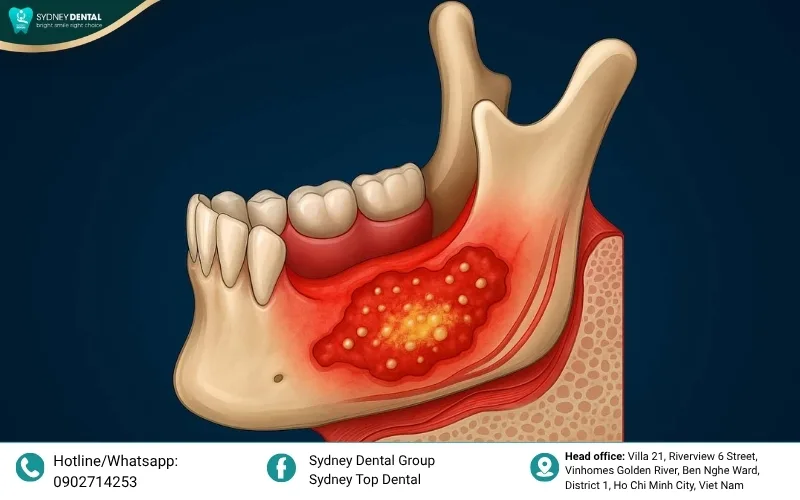
When a tooth is lost, the underlying jaw bone no longer receives the necessary stimulation from chewing forces. Over time, the body naturally begins to resorb this unused bone, leading to a visible reduction in bone volume and density. This process, known as resorption, can alter your facial structure and make adjacent teeth shift or loosen.
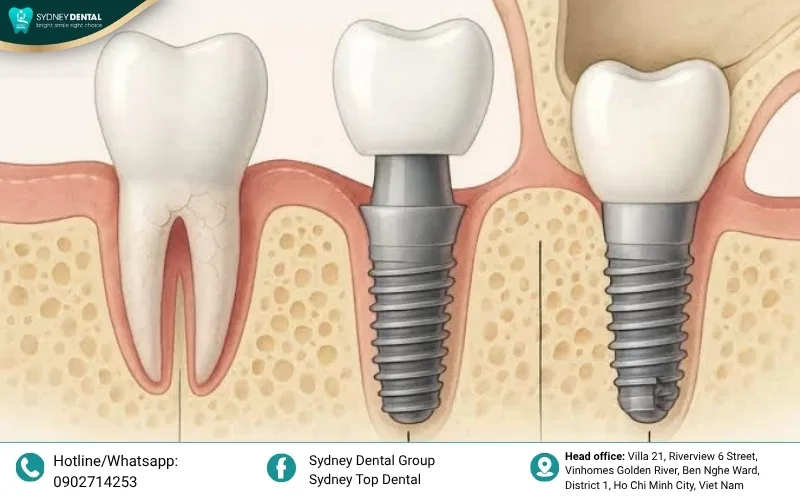
Dental implants require a specific volume of healthy bone to act as an “anchor” for stability and long-term success. If the bone is too thin or soft, the implant may fail to integrate properly. Without adequate jaw bone regeneration, the surgical site lacks the mechanical support needed to hold the implant securely in place.
Regenerative techniques are designed to fill these gaps, effectively “tricking” the body into rebuilding its own bone tissue. By utilizing jaw bone regeneration, dentists can restore the missing structure to its original healthy state, which is essential for patients seeking a permanent and aesthetically pleasing smile.
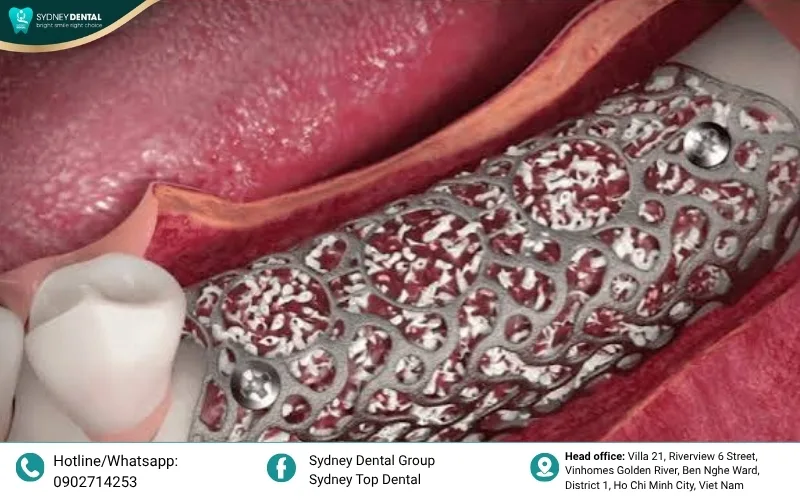
2. Common Methods of Jaw Bone Regeneration
Advancements in dental technology offer several effective grafting methods tailored to individual patient needs. Understanding these options is the first step toward restoring your oral health through jaw bone regeneration.
2.1. Autograft (Autogenous Bone Graft)
An autograft involves harvesting bone from another part of your own body. Because the bone comes from the patient, it is considered the gold standard due to its excellent biocompatibility. This method of jaw bone regeneration minimizes the risk of immune rejection and promotes rapid healing through natural bone-forming cells.
The harvesting process is typically performed under local anesthesia to ensure patient comfort during the procedure. While it requires two surgical sites, the long-term results are highly predictable and structurally superior to other options. Many specialists recommend this approach for complex cases where high-quality bone volume is strictly required.
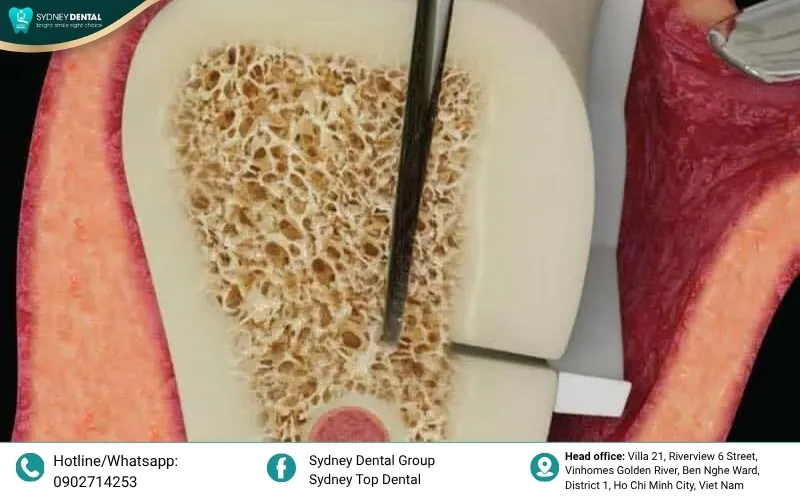
2.2. Xenograft/Allograft (Synthetic/Donor Bone)
Allografts utilize processed, sterilized bone from a donor, while xenografts often use bovine-derived materials to serve as a scaffold. These materials act as a bridge, allowing your natural bone cells to migrate and replace the graft over time. For many patients, these materials offer a convenient and highly effective form of jaw bone regeneration without the need for additional surgical sites.
These materials are thoroughly cleaned and rigorously tested to ensure the highest safety standards in modern dentistry. For many patients, these grafts provide a convenient and effective way to gain the volume needed without additional surgeries elsewhere. They are highly successful when placed by an experienced periodontist or oral surgeon.
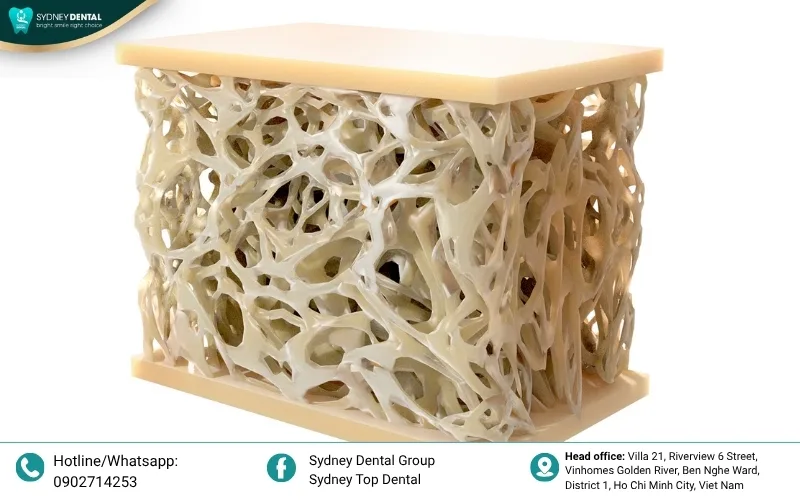
2.3. Sinus Lift and Bone Grafting
A sinus lift is a specialized procedure for the upper jaw where the sinus floor is lifted to make room for new bone. This technique is often categorized under the umbrella of jaw bone regeneration for the upper arch. By creating this space, surgeons can add bone grafts to solidify the area, allowing patients who were previously told they were “not candidates” for implants to finally receive them.
This delicate surgery requires precise diagnostic imaging, such as 3D CT scans, to ensure the safety of the sinus membrane. Once the graft is placed, it provides a stable environment for new bone growth to occur over several months. It is a transformative procedure that allows patients who were previously told they were “not candidates” for implants to finally receive them.
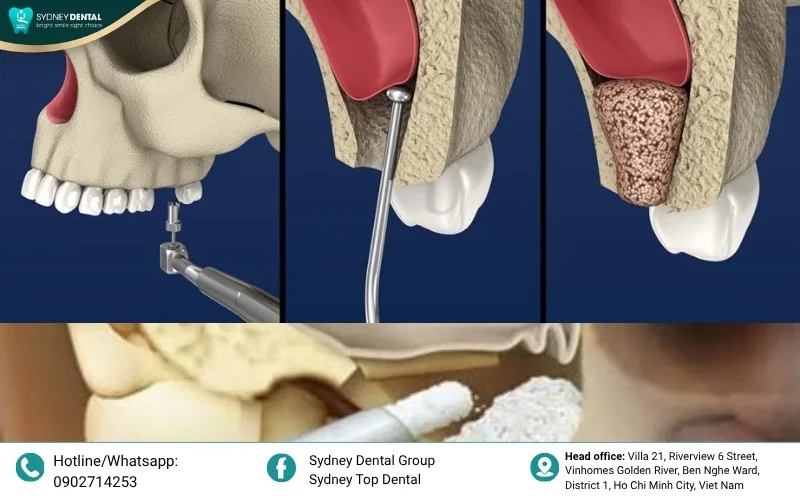
3. How Does the Jaw Bone Regeneration Process Work?
The journey toward a restored smile typically follows these structured steps:
- Comprehensive Diagnosis: Utilizing 3D CBCT scans to assess bone density and determine the graft volume required for successful jaw bone regeneration.
- Surgical Grafting: The surgeon carefully places the bone graft material into the target area, often covered by a protective membrane.
- Healing Period: A period of 4 to 9 months is usually required to allow the jaw bone regeneration to integrate (ossify) with your natural jawbone.
- Implant Placement: Once the bone has fully matured, the dental implant is surgically inserted into the now-stabilized site.
4. Is Jaw Bone Regeneration Painful and Dangerous?
Modern surgical techniques, combined with local anesthesia and advanced sedation, ensure that patients experience minimal discomfort during the procedure. Most patients report that the recovery process is similar to that of a tooth extraction, easily managed with prescribed pain relief. Your surgeon will provide a tailored plan to ensure your comfort from the first incision to the final healing stage.
Following your surgeon’s instructions-such as avoiding hard foods and maintaining rigorous oral hygiene-is key to a smooth recovery. Proper care prevents infections and allows the graft to bond correctly with your existing jaw tissue. With regular follow-up visits, you can be assured that your healing is progressing safely and successfully.
Following your surgeon’s instructions-such as avoiding hard foods and maintaining rigorous oral hygiene-is key to a smooth recovery. Proper care prevents infections and allows the graft to bond correctly. Jaw bone regeneration is a life-changing procedure that turns “impossible” dental cases into successful, functional, and aesthetic smiles. By choosing an experienced professional and following the recommended care plan, you are making a vital investment in your long-term oral health. Start your journey today and reclaim the confidence that comes with a strong, healthy bite.
Sydney Top Dental
📍 Address: No. 21, Riverview 6 Street, Vinhomes Golden River Villas, Ben Nghe Ward, District 1, Ho Chi Minh City
📞 Hotline: 090 271 42 53
🌐 Facebook: Sydney Top Dental


Our Doctors
Get a Free Initial Consultation