
Dental implants for low bone density rely heavily on the quality and quantity of the underlying jawbone to ensure a long-term, stable foundation. For many patients, low bone density-often caused by prolonged tooth loss or aging-can create significant hurdles when considering tooth replacement. Understanding how modern dentistry addresses these challenges is the first step toward reclaiming your smile and your confidence.
1. Why Low Bone Density Is a Major Barrier?
Primary stability is the cornerstone of a successful dental implant procedure, acting as the foundation that keeps the post secure. When bone density is low, the implant may struggle to achieve the immediate mechanical grip required to withstand daily chewing forces. Without this initial stability, the implant faces a higher risk of movement, which can prevent proper integration.
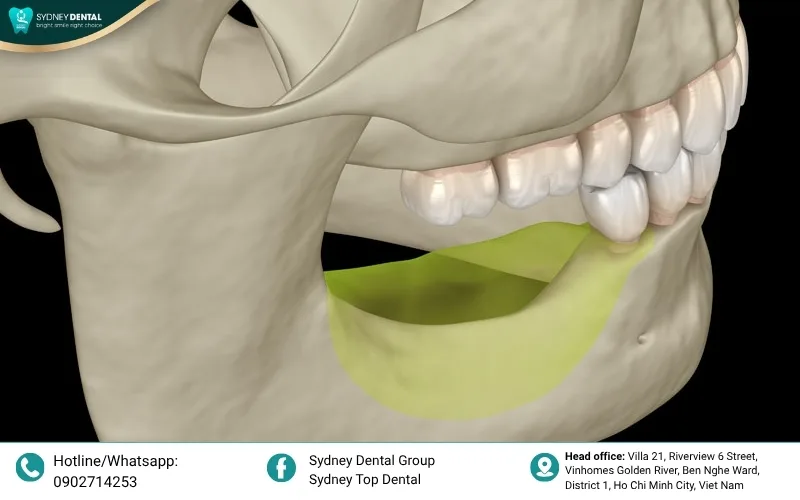
Osteoporosis and localized bone resorption significantly alter the internal structure of the jawbone, making it less porous and robust. This reduction in density hinders the process of osseointegration. Consequently, patients who require dental implants for low bone density often fear that they are permanently disqualified from enjoying the benefits of tooth replacement.
Fortunately, modern clinical advancements have transformed these limitations into manageable conditions. If you have been told your jawbone is too thin, it is essential to seek a second opinion from a specialist who understands how to safely perform dental implants for low bone density.
2. Innovative Solutions for Patients with Low Bone Density
2.1. Autogenous and Synthetic Bone Grafting
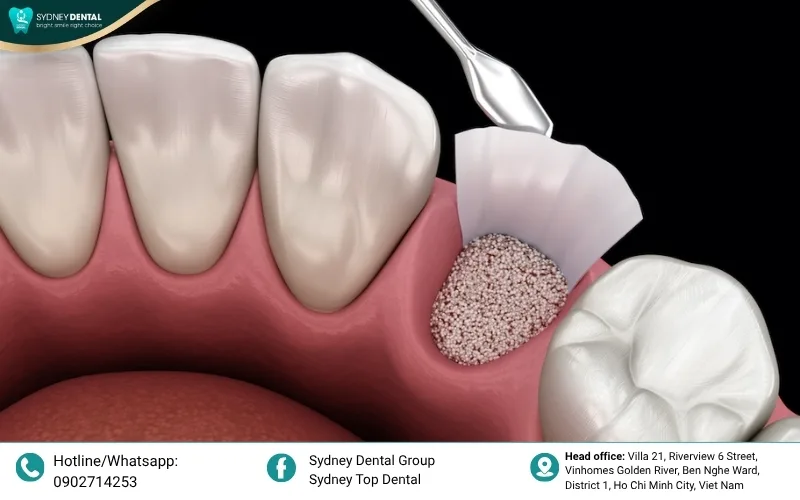
Bone grafting is a highly effective procedure designed to augment the jawbone. Surgeons use autogenous bone or synthetic materials to create a dense, stable environment. This prepares the site perfectly for dental implants for low bone density, ensuring the implant has enough support to handle the stresses of biting and grinding.
Once the grafting material is placed, the body undergoes a natural healing process that replaces the graft with new, healthy bone tissue. This integration is vital for ensuring that the implant has enough support to handle the stresses of biting and grinding. Over several months, the area becomes significantly more receptive to the final implant surgery.
The success of bone grafting depends on both the patient’s overall health and the precision of the surgical technique employed. By carefully preparing the site, dentists can effectively reverse the effects of atrophy and restore the necessary density. Patients who undergo these preparatory steps often achieve outcomes nearly identical to those with healthy, natural bone.
2.2. Sinus Lift Techniques
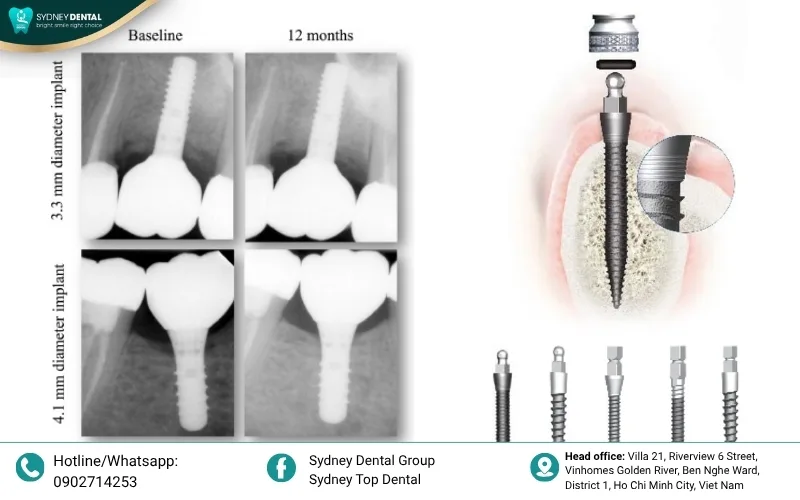
In cases where bone density is mildly compromised, small-diameter implants (SDIs) or mini-implants serve as a fantastic alternative. These are engineered to fit into narrower ridges of bone, making them an excellent choice for dental implants for low bone density. Advanced surface modifications further accelerate bone-to-implant contact, ensuring the implant remains firmly locked in place.
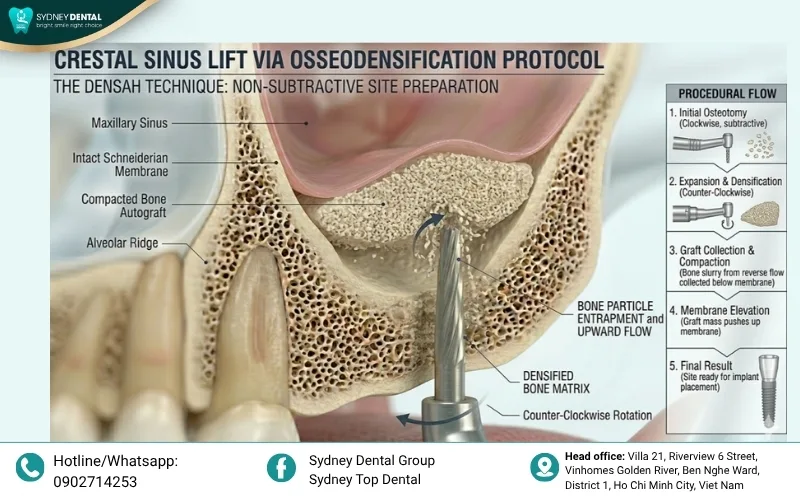
The procedure is meticulously performed to ensure the sinus membrane is safely lifted, protecting the patient’s respiratory health while improving bone volume. Once the grafted area matures, the bone becomes thick enough to anchor an implant securely for the long term. This approach has opened doors for thousands of patients who previously had to settle for less stable removable dentures.
Advancements in guided surgery have made sinus lifts more predictable and less invasive than in years past. By planning the elevation and graft placement using 3D imaging, surgeons can achieve exceptional results with minimal recovery time. This procedure is a testament to how specialized care can overcome anatomical limitations caused by bone loss.
2.3. Small Diameter and Specialized Implants
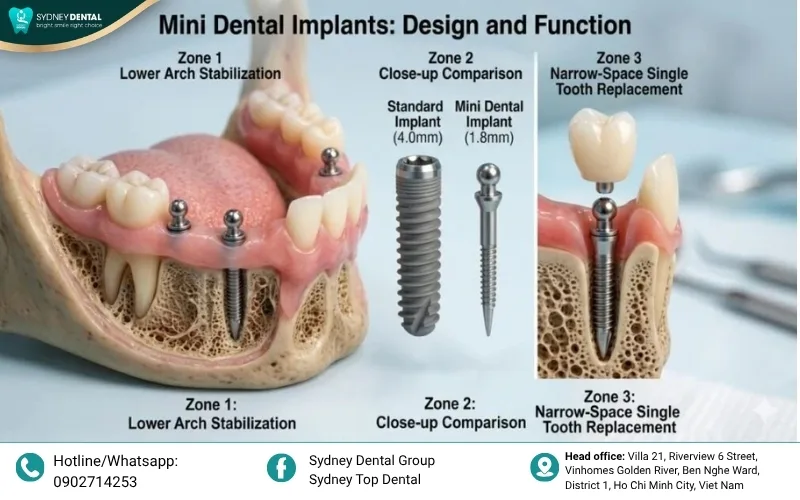
In cases where bone density is mildly compromised but a full graft isn’t required, small-diameter implants (SDIs) or mini-implants serve as a fantastic alternative. These implants are specifically engineered to fit into narrower ridges of bone, requiring less surgical invasiveness than standard-sized versions. They provide immediate stability and are often used to support fixed bridges or stabilized dentures with remarkable efficiency.
Beyond diameter, manufacturers now offer implants with surface modifications that accelerate bone-to-implant contact even in poor-quality bone. These high-tech surfaces encourage faster healing and stronger bonds, ensuring that the implant remains firmly locked in place. By matching the right implant design to the patient’s unique bone structure, dentists can optimize success rates significantly.
Choosing the right type of implant requires a deep understanding of biomechanics and material science. When your dentist selects an implant tailored to your specific bone density, the long-term prognosis improves dramatically. This personalized approach ensures that even with reduced bone, you can enjoy a stable, natural-feeling set of teeth.
Learn more: Dental Tourism in Vietnam: The Perfect Solution for Your Smile and Budget
2.4. Advanced Diagnostic Procedures
Comprehensive diagnosis begins with Cone Beam Computed Tomography (CBCT), a 3D imaging technology that provides a crystal-clear view of your jawbone architecture. Unlike standard 2D X-rays, CBCT allows the surgeon to measure the exact width, height, and density of the bone available at the implant site. This precision is critical for planning the placement and determining if grafting procedures are necessary before surgery begins.
In addition to 3D mapping, dentists utilize the Hounsfield scale to quantify the precise density of the bone in the target area. By evaluating these density scores, specialists can predict how well the bone will support an implant and adjust the surgical protocol accordingly. This data-driven approach removes the guesswork, ensuring that your treatment plan is based on scientific metrics rather than assumptions.
Furthermore, these diagnostic tools allow the dental team to identify potential complications-such as proximity to nerves or sinus health-before the first incision is made. By visualizing the entire surgical site, the dentist can design a custom guide for the procedure, maximizing accuracy. This level of preparation is the hallmark of modern, safe implant dentistry.
3. Essential Tips for a Successful Procedure
High-quality materials are the first line of defense against long-term failure. Using renowned systems ensures that the surface is optimized for bio-integration. The expertise of your oral surgeon is also vital; a specialist who frequently manages complex cases will develop a precise treatment plan for dental implants for low bone density that minimizes risk while maximizing success.
The expertise of your oral surgeon is perhaps the most important variable in the success of your dental implant journey. A specialist who frequently manages complex cases will develop a precise treatment plan that minimizes risk while maximizing bone-to-implant contact. Do not hesitate to discuss your surgeon’s experience and ask to see clinical evidence of similar cases they have treated successfully.
Post-operative care is equally vital for patients with lower bone density, as the body requires specific nutrients and rest to heal. Adhering to the dentist’s recommendations, including avoiding heavy biting and maintaining excellent oral hygiene, will protect the graft and the implant during the critical integration phase. By following these guidelines, you provide your body with the best possible opportunity to achieve a stable and lasting result.
4. Frequently Asked Questions (FAQ)
4.1. Can patients with osteoporosis receive dental implants?
Yes, but a thorough medical evaluation is necessary. Your dentist will coordinate with your physician to ensure your bone health is stable enough for surgery.
4.2. How long is the healing period for bone grafting?
Typically, the graft requires 3 to 6 months to integrate fully with your existing jawbone before the implant can be placed.
4.3. Is bone grafting an expensive procedure?
Costs vary based on the extent of the graft and the materials used, but it is a vital investment in the long-term success of your implant.
4.4. Are there alternatives if my bone is too weak for implants?
If traditional implants are not possible, we can explore advanced grafting options or high-tech bridge solutions that provide a stable, natural-looking appearance.
Low bone density does not have to be the end of your journey toward a functional smile. By leveraging advanced diagnostics and personalized treatment, your dental specialist can turn even the most challenging conditions into successful dental implants for low bone density outcomes. Schedule a professional consultation today to discover the path to your new smile.
Sydney Top Dental
📍 Address: No. 21, Riverview 6 Street, Vinhomes Golden River Villas, Ben Nghe Ward, District 1, Ho Chi Minh City
📞 Hotline: 090 271 42 53
🌐 Facebook: Sydney Top Dental


Our Doctors
Get a Free Initial Consultation