
Losing teeth can significantly impact your ability to chew, speak, and smile with confidence in daily life. You might wonder if osteoporosis acts as a major barrier to getting a new smile through dental implants. The good news is that successful implant treatment is entirely possible if you follow the right, personalized medical path.
1. The Relationship Between Osteoporosis and Dental Implants
Osteoporosis is a systemic condition that reduces bone density and affects the entire skeletal system. Understanding how this condition interacts with your jawbone is the first step toward a safe dental restoration.
1.1. Why bone density matters for implant success
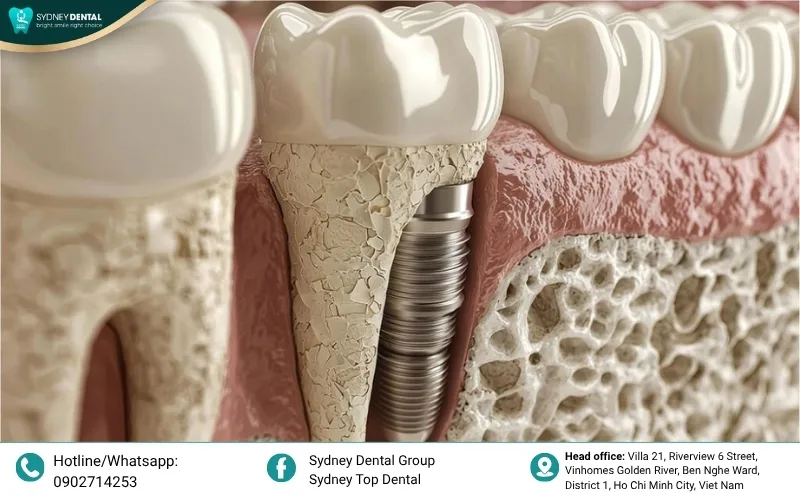
Dental implants rely on the surrounding jawbone for stability and long-term support. When bone density is low, the foundation for the implant becomes weaker and less predictable. Without enough healthy bone volume, the implant may struggle to stay secure in the mouth.
Achieving a stable result requires enough mineralized bone to lock the implant into place firmly. If the jawbone is too porous, it cannot provide the necessary grip for the metal post. Therefore, evaluating bone quality is a crucial diagnostic step before any surgical procedure begins.
Low bone density doesn’t always mean “no” to implants, but it does change the planning process. Dentists must carefully analyze the strength of your jawbone to ensure long-term functionality. Proper assessment helps in creating a treatment plan that minimizes risks and maximizes durability.
1.2. Understanding the process of “Osseointegration”
Osseointegration is the biological process where the jawbone grows and fuses directly to the implant surface. This connection is what makes the dental implant feel and function exactly like a natural tooth root. For a successful outcome, the bone cells must attach effectively to the implant fixture over time.
In patients with osteoporosis, this fusion process might occur more slowly than in healthy patients. The body requires sufficient bone density to create a strong, permanent bond with the titanium material. When the integration is successful, the implant becomes a stable foundation for the replacement crown.
If the bone is not healthy, the integration process could be compromised or take much longer to stabilize. Dentists often look for high-quality implants that encourage faster bone growth in challenging environments. Achieving strong osseointegration remains the ultimate goal for every patient seeking dental restoration.
2. Can patients with osteoporosis get dental implants?
Yes, most people with osteoporosis can successfully receive dental implants with careful medical planning. It is essential to manage your specific bone health condition with your dentist to ensure a safe procedure.
- Individual bone quality: The specific density of the jawbone at the implant site.
- Systemic health management: How well your osteoporosis is currently controlled via medication.
- Professional diagnosis: The use of advanced imaging to identify the best placement positions.
Bisphosphonates are common medications used to increase bone density in patients with osteoporosis. However, these drugs can sometimes affect how the jawbone heals after surgery. It is very important to discuss your current medication list with your dental surgeon before starting.
In rare cases, specific high-dose intravenous bisphosphonates are linked to a condition called jaw osteonecrosis. Your dentist may ask you to consult with your physician to pause or adjust your medication schedule. This collaborative approach ensures that your oral surgery is as safe as possible for your body.
Always be honest about the duration and type of osteoporosis medication you are taking. Open communication allows the dental team to adjust the surgical technique to reduce any potential complications. With these precautions, many patients on bone-strengthening therapy still achieve excellent implant results.

3. The Safe Process for Dental Implants in Osteoporosis Patients
Planning is the foundation of a successful dental implant journey for those with lower bone density. A structured, multi-step approach helps manage risks and ensures a stable, long-lasting outcome.
3.1. Step 1: Physical examination and CT Cone Beam scanning
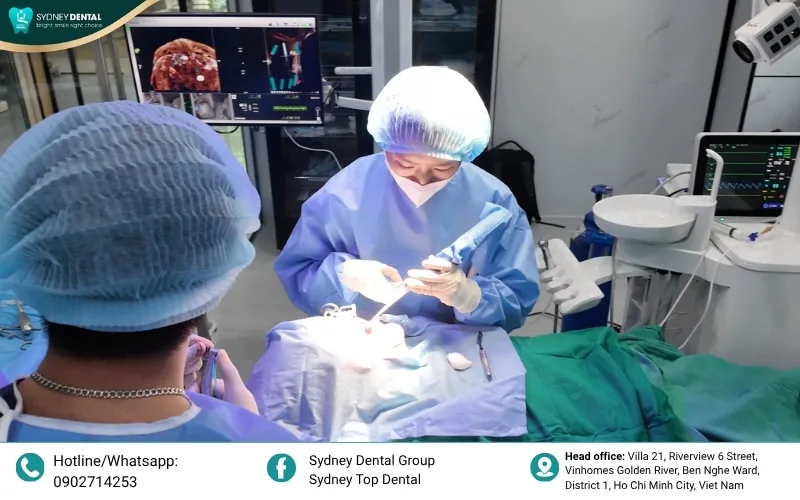
The first step is a thorough clinical exam to assess your overall oral health and gum condition. Dentists then use CT Cone Beam scans to get a precise 3D view of your jawbone. This technology reveals the exact bone thickness and density, which is vital for safe planning.
Detailed imaging allows the dentist to avoid sensitive areas while finding the best bone spots. It removes the guesswork by showing exactly where the implant can be placed safely. This step is non-negotiable for patients who need extra care due to systemic bone issues.
3.2. Step 2: Collaboration between the dentist and endocrinologist
Your dentist should work closely with your endocrinologist or primary doctor to review your bone health. This partnership ensures that your osteoporosis treatment plan supports your dental surgery needs. They will decide if any adjustments are needed for your existing medications before surgery.
Sharing medical history helps your dental team understand the specific risks associated with your osteoporosis. The endocrinologist can provide guidance on your healing capacity and bone health status. This teamwork creates a safety net that protects your general health throughout the treatment.
3.3. Step 3: Choosing the right implant design
Not all implants are the same, and your dentist may choose specific designs for patients with lower bone density. Modern implants with specialized surface coatings can significantly improve the speed and strength of bone attachment. These premium options are often recommended to increase the success rate in more challenging cases.
The dentist will select the implant diameter and length that best fits your specific jaw structure. Using high-quality implants ensures that the device provides maximum stability even in soft bone. Investing in superior implant technology is a smart way to ensure your smile lasts for many years.
4. Secrets to Increasing Success Rates
To ensure your implants last, you must maintain excellent daily oral hygiene by brushing and flossing twice a day. Regular check-ups with your dentist are crucial to monitor the integration of the implant over time. Furthermore, a balanced diet rich in Calcium and Vitamin D helps maintain overall bone health throughout the healing phase.
A highly skilled dentist using state-of-the-art technology makes a world of difference for your treatment success. Advanced clinics offer high-precision digital tools that minimize surgical trauma and speed up the healing process. Choosing an experienced professional ensures that your procedure is customized to your specific medical profile.
Always follow the post-operative instructions provided by your dental clinic to ensure the best healing environment. Staying active and avoiding smoking will also significantly boost your recovery and long-term results. By focusing on these key habits, you can enjoy a stable and beautiful smile for life.

5. Frequently Asked Questions (FAQ)
Q1: Should I stop taking osteoporosis medication before getting an implant?
You should never stop your medication without talking to your doctor. Your dentist and physician will review your case to decide if a temporary pause is necessary.
Q2: Is the recovery time longer for patients with osteoporosis?
Sometimes the healing process can take a bit longer, but individual results vary. Your dentist will monitor you closely to ensure the bone is integrating properly.
Q3: What if my jawbone is too weak for implants?
If your bone is thin, your dentist might suggest a bone graft procedure. This adds volume to the site to provide a solid base for the implant.
Q4: What is the failure rate for implants in osteoporosis patients?
With proper planning and modern technology, the success rate for osteoporosis patients is very high. Following all professional advice minimizes the risk of failure significantly.
Lean more: What Is Dental Tourism? Top 7 Best Countries for Your Investment in 2026
Conclusion:
While osteoporosis requires extra caution, it does not have to stop you from restoring your smile with dental implants. By coordinating with your medical team and following a structured, professional treatment plan, you can achieve excellent long-term results. Always choose an experienced dental clinic with advanced technology to ensure your health and success are prioritized.
Sydney Top Dental
📍 Address: No. 21, Riverview 6 Street, Vinhomes Golden River Villas, Ben Nghe Ward, District 1, Ho Chi Minh City
📞 Hotline: 090 271 42 53
🌐 Facebook: Sydney Top Dental


Our Doctors
Get a Free Initial Consultation