
- 1. An Overview of Zygomatic Dental Implant Technique
- 2. Why Is This the "Saving Grace" for Patients with Upper Jaw Bone Loss?
- 3. Indications and Contraindications for Zygomatic Implants
- 4. Comparing Zygomatic Implants and Traditional Bone Grafting
- 5. International Standard Protocol for Zygomatic Implantation
- 6. Leading Zygomatic Implant Brands Currently Available
- 7. Risks and Prevention in Zygomatic Implantation
- 8. How Much Does Zygomatic Implant Surgery Cost?
- 8. Sydney Top Dental: Premier Medical Tourism for Zygomatic Implants
- 9. Frequently Asked Questions (FAQ)
Many patients facing severe bone loss believe they have lost the chance to regain a fixed smile after being rejected for traditional implants. However, zygomatic dental implants provide a revolutionary alternative by utilizing the dense cheekbone for stable support. This advanced surgical technique offers a life-changing opportunity for those seeking to restore both aesthetic beauty and full chewing functionality.
1. An Overview of Zygomatic Dental Implant Technique
1.1. What Are Zygomatic Implants?
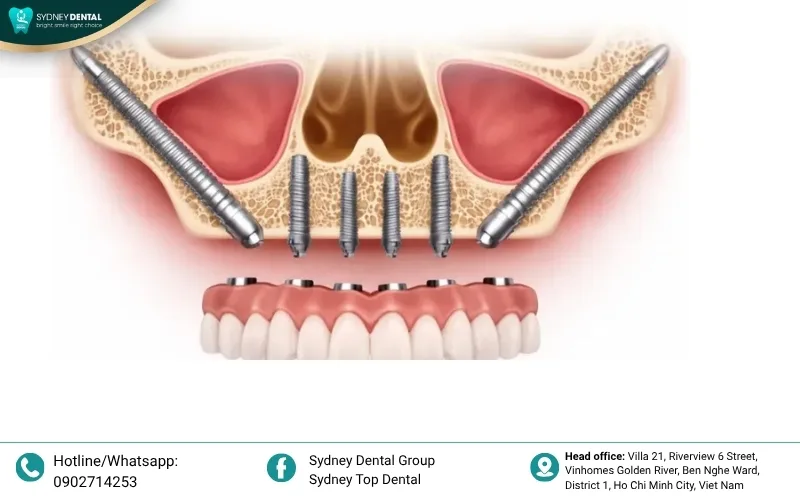
A zygomatic implant is a specialized dental fixture designed significantly longer than standard implants to reach the cheekbone area. This procedure bypasses the need for the maxillary bone, which is often insufficient in patients with chronic tooth loss. By anchoring into the sturdy zygomatic structure, these implants provide a solid foundation for a full-arch dental bridge.
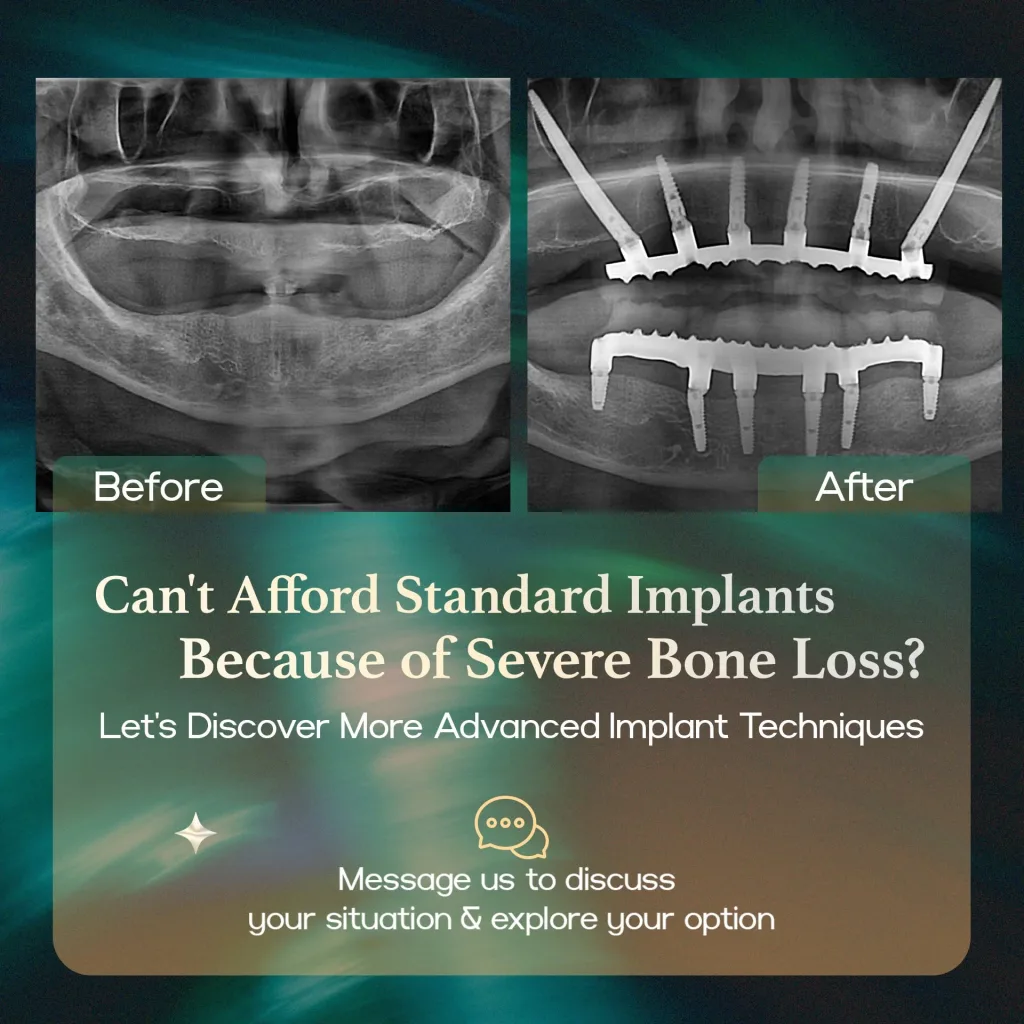
Technically, this approach involves the strategic placement of long implants into the malar bone while bypassing the maxillary sinus cavity. The implants are typically angled between 30 to 60 degrees to ensure primary stability and optimal load distribution. This bio-mechanical design allows for immediate prosthetic loading, enabling patients to receive functional teeth shortly after surgery.
1.2. Why Choose the Zygomatic Bone as an Anchor Instead of the Upper Jaw?
Unlike the upper jawbone, the zygomatic bone remains highly stable and does not resorb or diminish in volume over time. Its high mineral density provides exceptional anchorage, making it an ideal candidate for supporting heavy biting forces.
- The cheekbone offers a consistent and robust bone quality (cortical bone) that ensures exceptionally high success rates.
- Utilizing this area eliminates the risks and long waiting periods associated with complex sinus lifts or massive bone grafting.
1.3. The History and Development of the Zygoma Technique
This technique was pioneered by Professor Per-Ingvar Brånemark in the late 1980s as a solution for cancer survivors who had lost parts of their jaw. Over decades, clinical refinements have transformed this oncological solution into a mainstream treatment for dental patients with severe atrophy.
- 1988: The first zygomatic implant was successfully placed, marking a new era in reconstructive maxillofacial surgery.
- Today: Advances in digital imaging and guided surgery have made the procedure more predictable and minimally invasive for global patients.
2. Why Is This the “Saving Grace” for Patients with Upper Jaw Bone Loss?
Zygomatic implants serve as a vital alternative for patients who have been told that dental restoration is no longer possible. This method circumvents anatomical limitations that usually prevent the success of conventional implantology.
2.1. Effectively Resolving Severe Bone Atrophy (Class IV, V, VI)
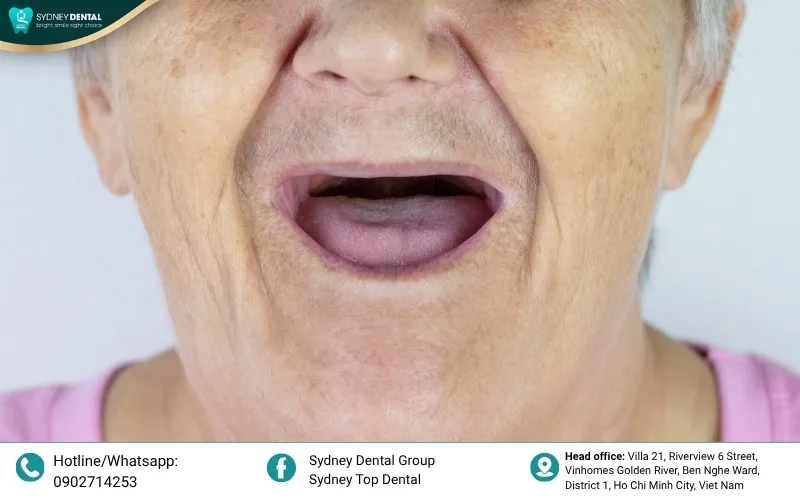
Many patients suffer from advanced bone resorption where the upper ridge has almost completely disappeared. This surgical technique is specifically engineered to handle the following severe clinical scenarios:
- Extremely thin maxillary ridges that cannot support standard titanium screws.
- Patients who have experienced failure with previous bone augmentation or sinus floor elevations.
- Advanced periodontal disease resulting in massive skeletal bone loss.
2.2. Eliminating the Need for Complex Bone Grafting and Sinus Lifts
Traditional rehabilitation for severe bone loss often requires multiple surgeries, including painful bone grafts harvested from the hip or skull. Zygomatic implants completely eliminate these invasive procedures by utilizing existing anatomical structures for support. This approach significantly reduces the overall surgical trauma and lessens the risk of post-operative complications.
2.3. Reducing Waiting Time – Immediate Loading
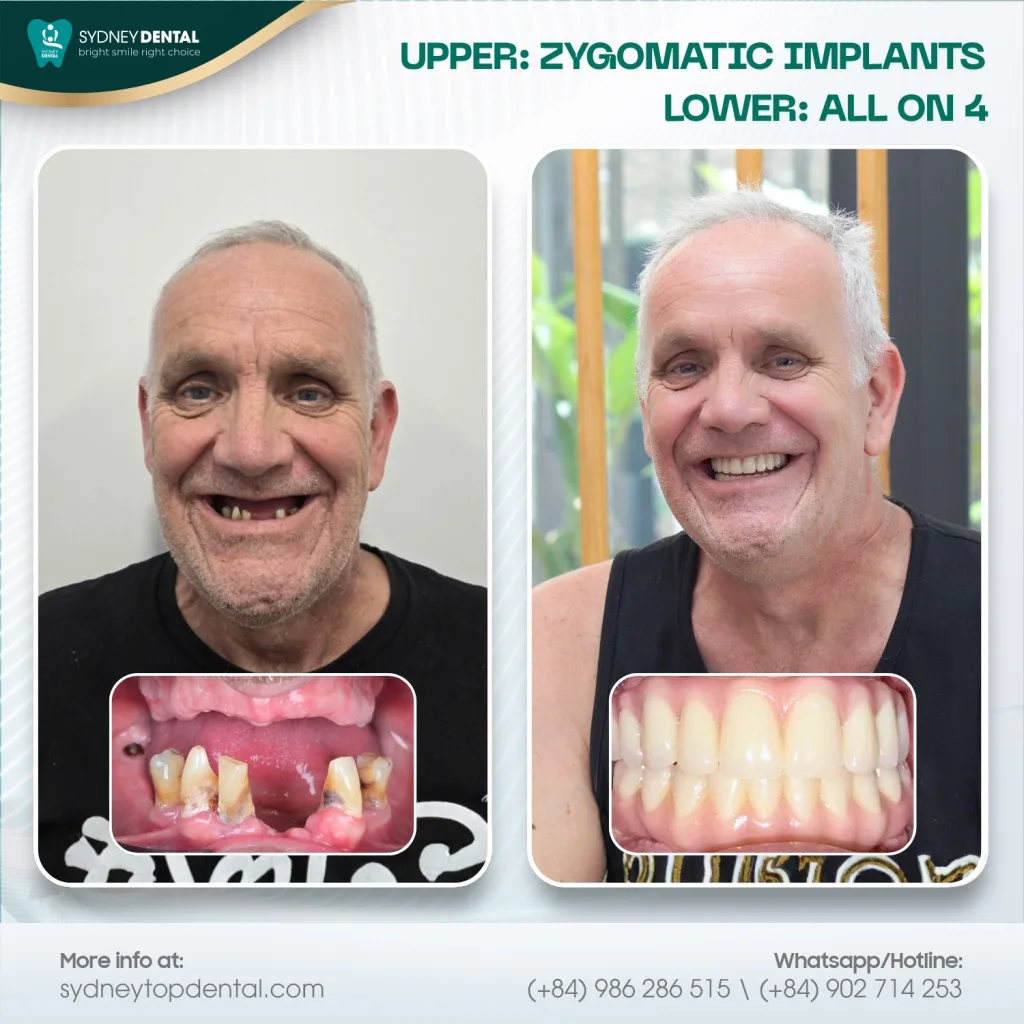
One of the most significant advantages of this procedure is the ability to perform immediate loading of the prosthetic bridge. While traditional bone grafting can take over a year to complete, zygomatic patients often receive their new teeth within 72 hours. This rapid turnaround time allows international patients to return home quickly with a functional and beautiful smile.
3. Indications and Contraindications for Zygomatic Implants
Determining the right candidacy is essential for the long-term success and safety of the zygomatic procedure. Our specialists perform a thorough evaluation to ensure your health profile meets the necessary surgical standards.
3.1. Who Should Consider This Technique?
The following groups of patients are ideal candidates for this advanced dental restoration technique:
- Individuals suffering from long-term tooth loss who have developed severe maxillary atrophy.
- Patients currently wearing loose or ill-fitting dentures that cause pain and difficulty in chewing.
- Those who wish to avoid the high costs and lengthy timelines of traditional bone grafting.
3.2. Cases Requiring Caution or Contraindication
Certain medical conditions may disqualify a patient or require careful pre-surgical management:
- Uncontrolled systemic diseases such as severe diabetes or active autoimmune disorders.
- Acute or chronic sinus infections that must be treated prior to implant placement.
- Heavy smokers or individuals with poor oral hygiene habits that could compromise healing.
A comprehensive medical evaluation is mandatory to ensure that the surgery is safe for your specific health profile.
4. Comparing Zygomatic Implants and Traditional Bone Grafting
Understanding the differences between these two methods helps patients make an informed decision for their dental health. Each approach has unique requirements regarding recovery time, surgical invasiveness, and overall cost.
| Feature | Zygomatic Implants | Traditional Bone Grafting |
| Treatment Time | 3 – 7 days (Fixed teeth) | Traditional implants take 6 to 12 months to integrate |
| Success Rate | Very High (96% – 98%) | Variable (Depends on graft) |
| Invasiveness | Single surgery | Multiple surgeries |
| Complexity | High (Requires specialist) | Moderate |
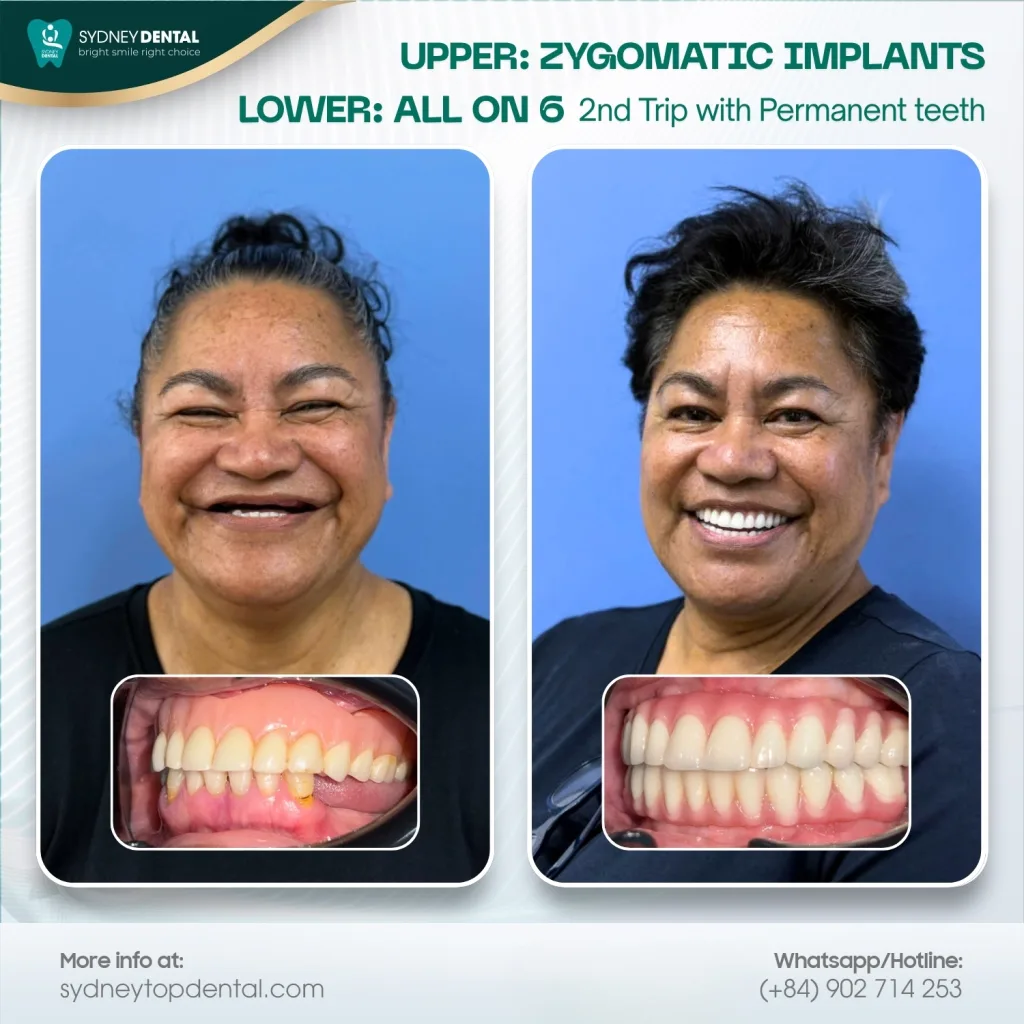
Most patients choose zygomatic implants because they provide a faster, more predictable path to permanent tooth replacement.
5. International Standard Protocol for Zygomatic Implantation
Our clinic adheres to a strict international protocol to ensure every step of the surgery is precise and safe. This structured process guarantees optimal results while prioritizing patient comfort and clinical efficiency.
5.1. Step 1: Digital Imaging Diagnosis (CT Cone Beam, 3D Scan)
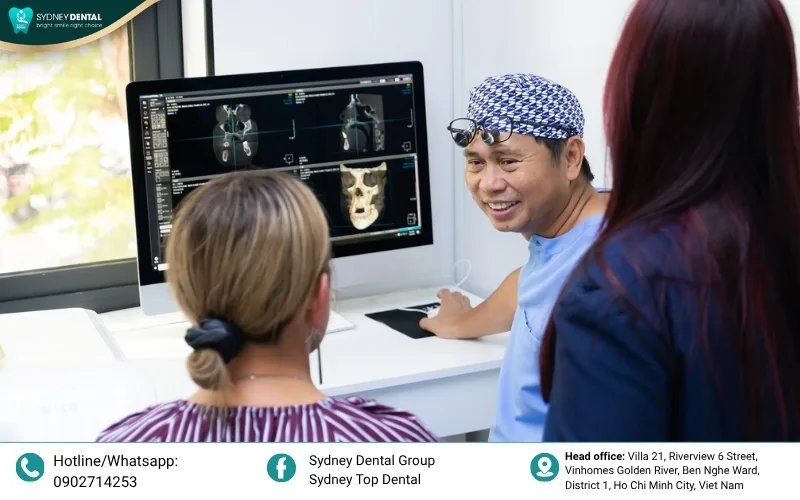
We utilize high-resolution CT Cone Beam imaging to create a detailed three-dimensional map of your facial structure. This allows our surgeons to identify the exact density and volume of the zygomatic bone before the procedure begins.
5.2. Step 2: Virtual Treatment Planning and Surgical Guides
Using advanced software, we simulate the entire surgery virtually to determine the most effective implant angles. This digital precision is then translated into a custom surgical guide that minimizes incision size and enhances accuracy.
5.3. Step 3: Surgical Implantation
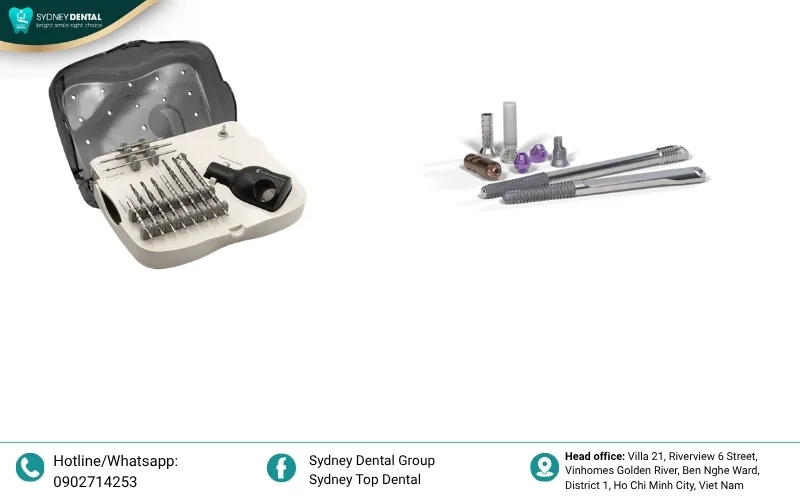
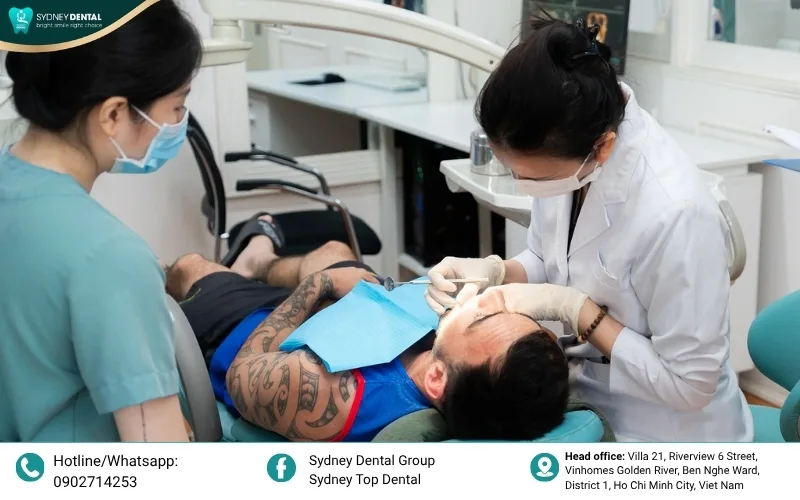
To ensure patient comfort, the procedure is conducted under general anesthesia or deep sedation. We specifically use industry-leading JD Zygoma and Straumann Zygomatic implants, integrated with state-of-the-art X-guide Navigation technology. This cutting-edge system optimizes surgical precision to the highest degree. Using a minimally invasive technique, the implants are securely anchored into the cheekbone, ensuring superior results and a rapid healing process.
5.4. Step 4: Immediate Temporary Bridge and Healing Monitoring
Shortly after the implants are placed, a temporary fixed bridge is attached to provide immediate aesthetic and functional results. Our team then monitors the healing process closely to ensure the implants fuse perfectly with the bone structure.
6. Leading Zygomatic Implant Brands Currently Available
We only select world-class implant brands that have been clinically proven to deliver long-lasting performance in complex cases. These manufacturers provide specialized components designed to handle the unique mechanical stresses of the zygomatic region.
- JD Zygoma: An innovative leader in zygomatic solutions, recognized for high primary stability and specialized designs for complex cases.
- Straumann Zygomatic: A premium global standard combining Swiss precision with advanced material technology for superior long-term reliability.
Selecting the right brand depends on your individual bone structure and the specific requirements of your restorative plan.
7. Risks and Prevention in Zygomatic Implantation
While zygomatic implants have a high success rate, it is important to understand the potential risks involved in any major surgery. Transparency and patient education are key to preventing complications and ensuring a smooth recovery process.
7.1. Specialist Requirements (Maxillofacial Surgeon)
This procedure requires a high level of surgical expertise that goes beyond the training of a general dentist. A qualified maxillofacial surgeon must have deep knowledge of craniofacial anatomy to safely navigate around vital structures. Choosing a specialist with a proven track record in Zygomatic surgery is the most important factor in your safety.
7.2. Controlling Sinus and Neurological Complications
Potential complications such as sinusitis or temporary nerve sensitivity can be avoided through meticulous digital planning. Our clinic uses 3D guided technology to ensure that the implants do not interfere with the sinus cavities or facial nerves. Post-operative care protocols and regular follow-ups further minimize these risks to ensure a successful outcome.
8. How Much Does Zygomatic Implant Surgery Cost?
The cost of zygomatic implants is often higher than traditional implants due to the complexity of the surgery and the specialized materials used. However, many patients find this more cost-effective as it eliminates the need for multiple bone grafting sessions and long-term maintenance of dentures.
- Implant brand selection: Premium brands like JD Zygoma and Straumann Zygomatic contribute to the overall material cost.
- Prosthetic bridge complexity: Custom-made zirconia or high-quality acrylic teeth affect the final investment.
- Surgical facility and anesthesia: Modern operating rooms and specialized anesthesiology services are required for patient safety.
8. Sydney Top Dental: Premier Medical Tourism for Zygomatic Implants
Sydney Top Dental, founded by Dr. Nguyen Ngoc Hai, integrates premium Australian medical standards into Vietnam’s healthcare landscape. As the first and only ZAGA Center in Vietnam, we specialize in complex Zygomatic Implant procedures for global patients. Our mission is to provide world-class oral rehabilitation at rates that are up to 70% more affordable than in Western countries.
By choosing our clinic, patients can often save over $20,000 compared to the costs in Australia, the US, or Europe. This significant financial accessibility does not compromise the quality of care, as we utilize the same global standards and materials. We bridge the gap between high-end surgical expertise and the economic advantages of medical tourism in Vietnam.
8.1. Customized VIP Services for International Guests
We offer a comprehensive VIP experience to ensure a seamless journey for our global clientele. Our dedicated team manages Visa assistance, luxury airport pickups, and private transfers between the clinic and your accommodation. This meticulous logistical support allows patients to focus entirely on their recovery and smile transformation.
Beyond clinical care, we provide 4-star lodging and a personal English-speaking assistant for every guest. Patients can also enjoy bespoke local tours to experience Vietnamese culture during their healing period. We strive to create a stress-free environment that combines high-end dentistry with a premium vacation feel.
8.2. Medical Expertise and Digital Technology
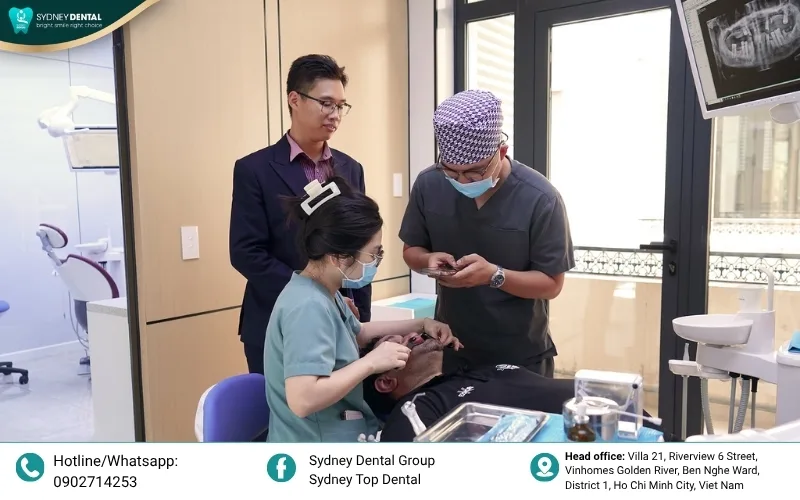
Dr. Nguyen Ngoc Hai leads our clinical team with 30 years of experience in maxillofacial surgery and full-arch restoration. Trained in the U.S. and Australia, he applies advanced techniques to solve the most challenging bone loss cases. Our specialists utilize X-Guide Dynamic Navigation and JD Zygom, Straumann Zygomatic systems to ensure superior surgical precision.
Our on-site digital laboratory utilizes CAD/CAM technology to deliver permanent, high-quality prosthetics within just 72 hours. We maintain rigorous sterility standards that exceed international requirements to prioritize patient safety and long-term durability. This integration of expertise and technology makes Sydney Top Dental a leading global destination for specialized implantology.
8.3. Financial Accessibility and Patient Philosophy
We facilitate various financial options, including flexible installments and assistance with international insurance claims. For Australian citizens, our team specifically helps process documentation to access Superannuation funds for essential dental work. This support ensures that premium dental care remains accessible and transparent for our international patients.
Sydney Top Dental integrates clinical skill and advanced technology into a truly patient-centered model. We remain committed to the academic legacy of global pioneers to deliver the highest standards of modern dentistry. Our goal is to provide a life-changing experience through professional excellence and compassionate care.
9. Frequently Asked Questions (FAQ)
Navigating the details of zygomatic implants can be complex, so we have compiled the most common inquiries from our international patients. These answers aim to provide clarity and help you prepare for your dental restoration journey.
FAQ 1: Does the zygomatic implant procedure hurt?
The surgery is performed under general anesthesia or sedation, ensuring that you will feel no pain or discomfort during the process.
FAQ 2: What is the success rate of this technique?
According to clinical data from NCBI, zygomatic implants boast an impressive success rate ranging between 96% and 98%.
FAQ 3: How long after the surgery can I eat normally?
You can eat soft foods immediately with your temporary bridge, but you should wait about 4 months for full bone integration before consuming hard foods.
FAQ 4: Can I receive zygomatic implants if I have chronic sinusitis?
Yes, but the sinus condition must be thoroughly evaluated and treated by our specialists before the implant surgery takes place.
FAQ 5: Can I resume my normal activities after Zygomatic Implant surgery?
Yes, you can. Many of our patients return to their daily routines shortly after the procedure. Depending on each individual’s constitution, some patients experience no bruising at all, while for others, any bruising typically subsides within just 1–2 days post-surgery.
Zygomatic implants represent a life-changing advancement for those who previously believed they were ineligible for fixed dental restorations. By choosing this advanced technique, you can bypass complex bone grafting and regain your smile in a matter of days. We invite you to contact our specialist team today to begin your journey toward a more confident and functional life.
Sydney Top Dental
📍 Address: No. 21, Riverview 6 Street, Vinhomes Golden River Villas, Ben Nghe Ward, District 1, Ho Chi Minh City
📞 Hotline: 090 271 42 53
🌐 Facebook: Sydney Top Dental


Our Doctors
Get a Free Initial Consultation