
Dental bone loss is a serious concern that affects both oral health and facial structure over time. While many people seek natural remedies, understanding the biological limits of bone regeneration is essential for effective treatment. This article explores how you can support your jawbone health through nutrition while identifying when professional intervention is necessary.
1. What is Dental Bone Loss and Why is it Dangerous?
Understanding the mechanisms of bone deterioration is the first step toward maintaining a healthy, functional smile. Without the stimulation of tooth roots or healthy gums, the jawbone naturally begins to resorb and lose its density.
1.1. Main Causes of Bone Loss (Periodontitis, Tooth Loss)
Periodontal disease is a primary culprit as bacteria destroy the connective tissues and bone supporting your teeth. This chronic inflammation triggers a biological response that gradually breaks down the hard mineral structure of the jaw. Over time, untreated infections can lead to significant structural damage that requires specialized medical attention.
Tooth loss also contributes significantly because the jawbone requires the mechanical pressure of chewing to stay healthy. When a tooth is missing, the surrounding bone no longer receives stimulation and begins to shrink through a process called resorption. This structural decline can eventually change your facial appearance and affect the stability of remaining teeth.
1.2. Levels of alveolar bone loss
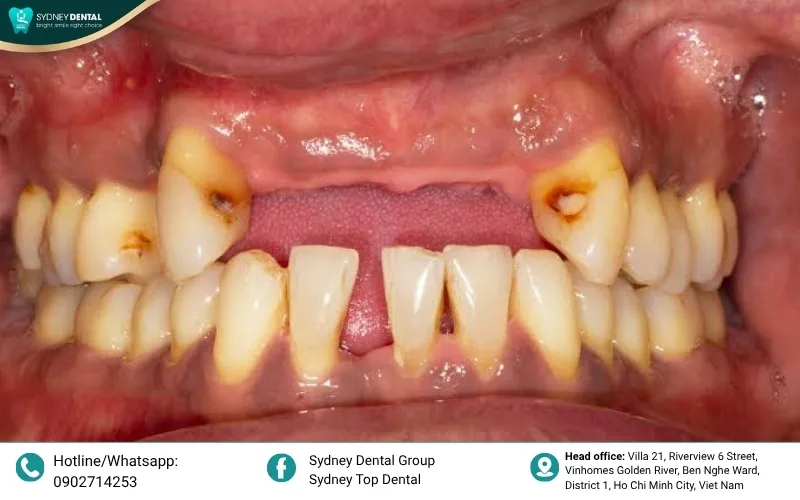
Dental bone loss typically progresses through several distinct phases, ranging from mild recession to severe structural collapse. Early detection is vital because the initial stages are often painless and might go unnoticed without a professional dental X-ray. Patients should monitor for signs such as loose teeth, shifting alignment, or changes in how their dentures fit.
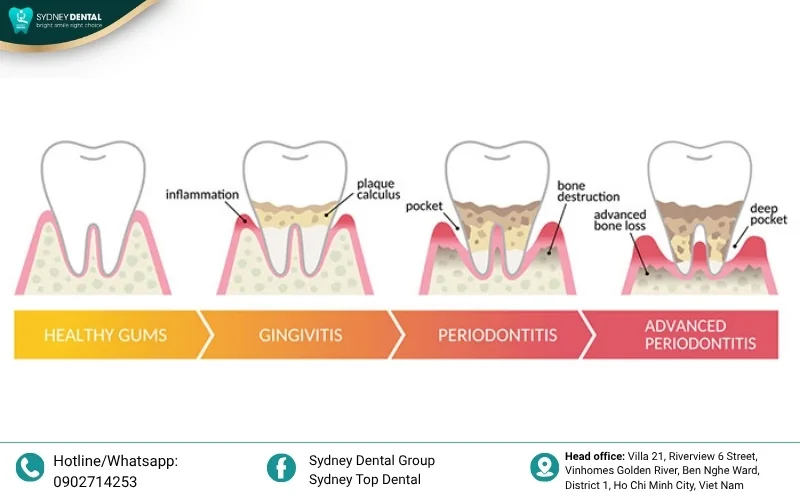
- Stage 1: Early Gingivitis causing slight attachment loss and inflammation.
- Stage 2: Moderate Periodontitis with visible bone recession and deep pockets.
- Stage 3: Advanced Periodontitis resulting in significant bone destruction and tooth mobility.
2. The Truth: Can Dental Bone Regrow Naturally?
Many patients wonder if they can restore their lost jawbone through holistic approaches and lifestyle changes alone. It is important to distinguish between strengthening existing bone and actually regrowing bone that has already vanished.
2.1. Biological Mechanism of Osteoblasts
Osteoblasts are specialized cells responsible for the synthesis and mineralization of bone during both initial formation and later remodeling. They work diligently to create a protein-rich matrix that eventually hardens into the solid bone structure we rely on. Understanding how these cells function is key to supporting natural bone maintenance through targeted nutrients.
The activity of osteoblasts is constantly balanced by osteoclasts, which are cells that break down and resorb old bone tissue. In a healthy body, these two cell types work in harmony to ensure the skeleton remains strong and adapts to physical stress. When this balance is disrupted by disease, bone loss occurs more rapidly than the body can repair it.
To encourage osteoblast activity, the body requires a steady supply of specific minerals and hormonal signals. Physical stimulation from chewing also plays a crucial role in telling these cells where new bone is needed most. By optimizing your internal environment, you can provide these cells with the tools they need to function efficiently.
2.2. Why Natural Methods are Only Supportive?
Natural methods are exceptionally effective at preventing further deterioration and strengthening the bone density that currently remains. However, once a significant portion of the jawbone is lost, biological limitations make it nearly impossible to regrow that volume through diet alone. Relying solely on home remedies for severe cases can lead to irreversible damage and the loss of multiple teeth.
Professional clinical intervention remains the gold standard for restoring lost bone volume in advanced stages of periodontal disease. While nutrition supports the healing process, it cannot replace the structural reconstruction provided by modern surgical techniques. Combining medical expertise with healthy habits offers the best prognosis for long-term oral health and stability.
- Nutrition supports bone density but cannot regenerate large vertical gaps.
- Severe bone loss requires professional grafting to ensure tooth stability.
- Consulting a specialist is necessary to assess the actual level of resorption.
3. 5 Natural Methods to Support Bone Regeneration and Prevention
Implementing proactive habits can significantly slow down the resorption process and improve the health of your supporting tissues. These strategies focus on providing your body with the essential building blocks for a resilient jawbone.
3.1. The “Golden” Diet for Jawbone Health
A diet rich in Calcium and Magnesium provides the fundamental minerals required to maintain high bone mineral density. Calcium serves as the primary structural component, while Magnesium ensures that the body can utilize that Calcium effectively. Including leafy greens, nuts, and dairy products in your daily meals can strengthen your jaw from the inside out.
Vitamins D3 and K2 act as a synergistic team to direct Calcium into the bone matrix rather than soft tissues. Vitamin D3 increases calcium absorption in the gut, while K2 activates the proteins that bind minerals to the bone. Additionally, consuming Vitamin C and Collagen-rich foods supports the flexible framework that holds these minerals in place.
- Calcium & Magnesium: Fundamental minerals for maintaining structural integrity.
- Vitamin D3 & K2: Essential for mineral absorption and proper distribution.
- Collagen: The protein scaffold that supports mineralized bone tissue.
3.2. Controlling Plaque and Bacteria
Maintaining pristine oral hygiene is the most effective way to stop the bacterial infections that cause bone destruction. Using advanced tools like a Waterpik or a Philips Sonicare toothbrush ensures that plaque is removed from hard-to-reach areas. These devices provide superior cleaning compared to manual brushing, significantly reducing the risk of gingival inflammation.
Deep cleaning between the teeth is essential because traditional brushing often misses the areas where bone loss typically begins. Removing food particles and biofilm prevents the formation of tartar, which acts as a reservoir for harmful oral bacteria. Consistent care helps preserve the attachment between your teeth and the underlying bone structure.
3.3. Herbal Therapies and Lifestyle
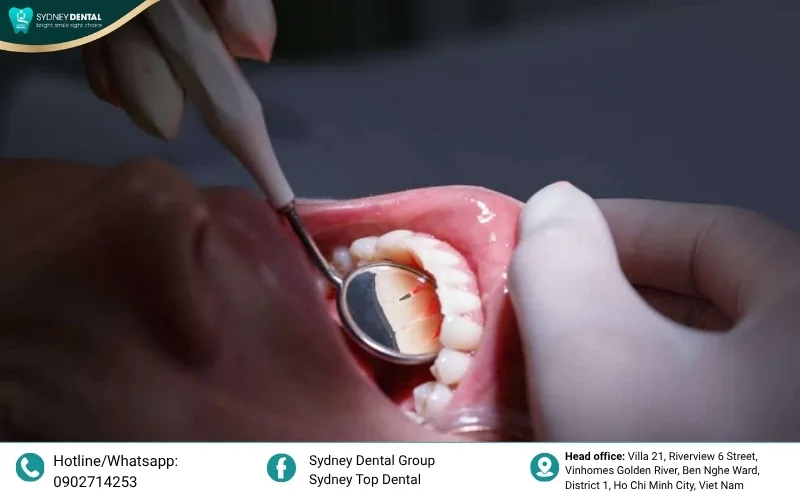
Certain herbal practices like oil pulling with coconut oil can help reduce the bacterial load in the oral cavity. While not a cure for bone loss, this traditional method can soothe inflamed gums and support a healthier microbiome. Reducing systemic inflammation through these natural practices creates a more favorable environment for bone maintenance.
Quitting smoking is perhaps the most critical lifestyle change you can make to protect your jawbone health. Tobacco use constricts blood flow to the gums, severely hindering the body’s ability to repair bone and fight infections. Smokers often experience much faster bone resorption and have lower success rates with dental treatments.
- Oil Pulling: Helps reduce harmful bacteria and promotes gum health.
- Tobacco Cessation: Vital for restoring blood flow and healing capacity.
- Stress Management: Lowers cortisol levels which can negatively impact bone density.
4. When Natural Methods are Not Enough?
When the jawbone has thinned to a critical level, natural remedies must take a back seat to clinical procedures. Medical technology offers advanced solutions that can physically restore the bone and provide a foundation for tooth replacement.
4.1. When Bone Grafting is Necessary
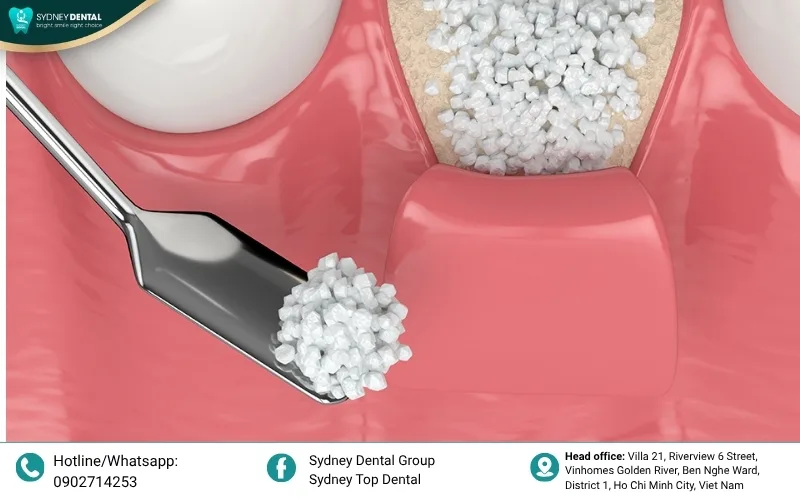
Bone grafting involves placing specialized materials into areas of bone loss to stimulate new growth and structural support. This procedure creates a scaffold that allows your natural bone cells to migrate and rebuild the missing volume. It is often a necessary prerequisite for patients who wish to receive dental implants but lack sufficient bone height.
This technique is highly effective for localized bone loss and has a very high success rate in modern dentistry. While it requires a healing period of several months, the result is a stable and strong jawbone that can support teeth. Your dentist will determine if a graft is necessary based on comprehensive 3D imaging results.
- Pros: Restores bone volume and provides a foundation for implants.
- Cons: Requires surgery and a significant healing time.
- Target: Patients with localized bone thinning or missing teeth.
- Cost: Generally ranges from $500 to $2,500 depending on the material used.
4.2. Dental Implants to Prevent Permanent Bone Loss
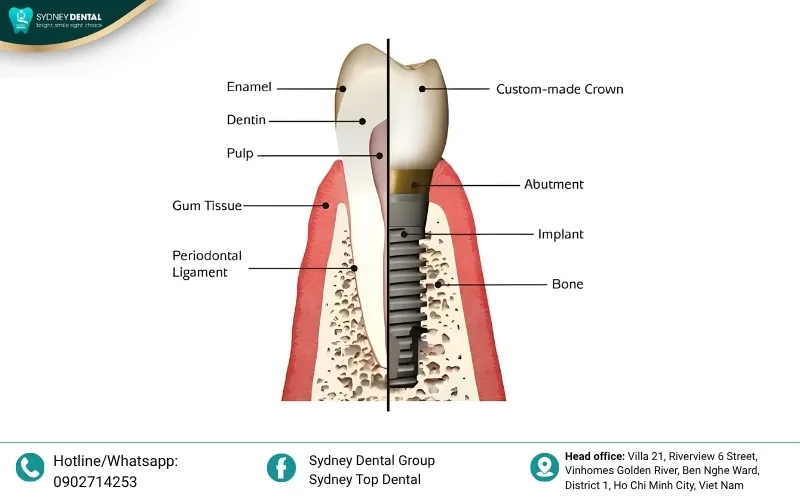
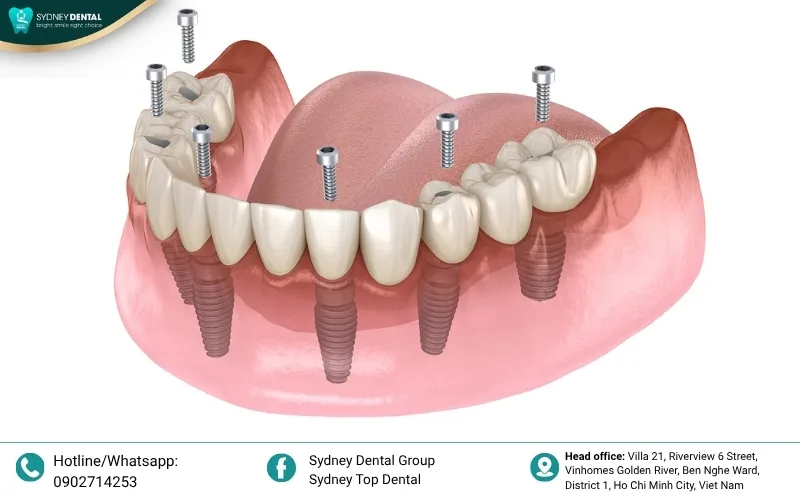
Dental implants are the only tooth replacement option that actually helps prevent further bone loss by mimicking a natural root. The titanium post integrates with the jawbone, providing the necessary stimulation to keep the bone tissue active and healthy. Unlike bridges, implants do not rely on adjacent teeth, preserving the integrity of your entire arch.
Choosing implants is a long-term investment in your oral health that prevents the sunken facial appearance associated with bone resorption. They offer the closest experience to natural teeth in terms of function, aesthetics, and overall comfort. Most patients find that the durability of implants justifies the initial complexity of the procedure.
- Pros: Stops bone resorption and looks exactly like natural teeth.
- Cons: Higher initial cost and requires sufficient bone or grafting.
- Target: Individuals missing one or more teeth who want a permanent solution.
- Cost: Typically costs between $3,000 and $6,000 per tooth in major markets.
4.3. Zygoma – A Solution for Severe Long-term Bone Loss
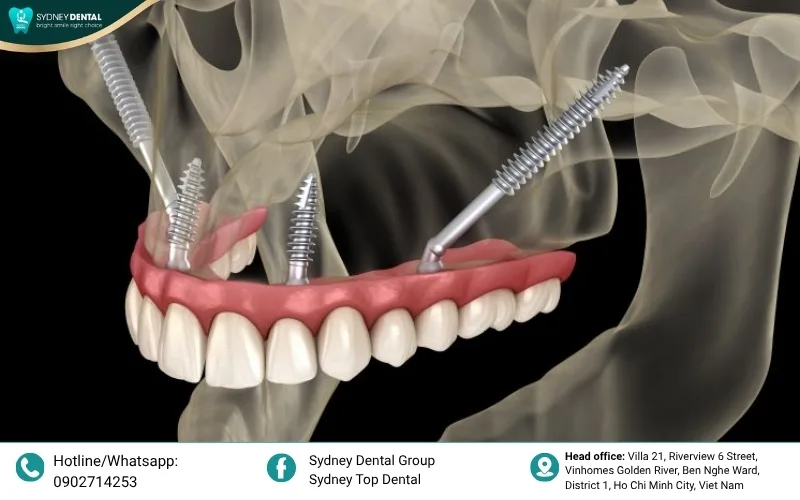
Zygomatic implants are a revolutionary solution designed for patients who have suffered extreme bone loss in the upper jaw. Instead of anchoring into the jawbone, these longer implants are secured into the zygomatic bone, also known as the cheekbone. This allows patients with severe resorption to receive fixed teeth without the need for extensive bone grafting.
This procedure is often a life-changing option for those who were previously told they were not candidates for traditional implants. It provides immediate stability and allows for the placement of a full bridge within a very short timeframe. Sydney Top Dental -ZAGA Center Ho Chi Minh City is the first and only center in Vietnam specializing in this advanced technique.
- Pros: No bone grafting needed and provides immediate fixed teeth.
- Cons: Highly complex surgery requiring an expert specialist.
- Target: Patients with severe upper jaw bone loss or failed grafts.
- Cost: Starts from approximately $20,000 USD for a full arch.
At Sydney Top Dental, our ZAGA Center provides world-class expertise for complex cases involving significant maxillary bone loss. We utilize the most advanced digital technology to ensure precision and safety for every patient seeking a permanent smile. This specialized treatment is available with costs starting from $20,000 USD, providing a comprehensive solution for total oral rehabilitation.
Learn more: Zygomatic Implant Vietnam: The “Gold” Solution for Severe Bone Loss
5. Expert Advice for Protecting Your Smile
Long-term success in oral health depends on a partnership between your daily habits and professional guidance. Following expert recommendations will help you maintain your bone density and avoid the need for invasive surgeries later.
5.1. Regular Check-ups Every 6 Months
Attending a professional dental examination every six months is crucial for identifying early signs of bone recession. Dentists use specialized tools and X-rays to monitor the health of your jawbone that cannot be seen with the naked eye. Early intervention can often stop bone loss in its tracks through non-invasive treatments like scaling.
Professional cleanings remove hardened tartar that you cannot eliminate at home with a regular toothbrush. These sessions also allow your dentist to provide personalized advice based on the specific condition of your gums. Investing time in prevention is far more cost-effective and comfortable than treating advanced periodontal disease.
5.2. Choosing Specialized Toothpaste (Sensodyne/Colgate)
For residents in Australia, choosing the right toothpaste is a simple yet effective way to support your daily oral health routine. Brands like Sensodyne are highly recommended for those experiencing gum sensitivity, which often precedes more serious bone issues. These specialized formulas help protect the tooth roots and strengthen enamel against acid erosion and bacteria.
Colgate also offers a wide range of products specifically formulated to fight the bacteria that cause gingivitis and bone loss. Look for options that contain fluoride and antibacterial agents to provide a 24-hour shield for your teeth and gums. Using high-quality, clinically proven products ensures that your home care routine is as effective as possible.
6. Frequently Asked Questions (FAQ)
Many patients have specific concerns about how their daily choices impact their bone health and what to expect during recovery. Here are some of the most common questions answered by dental professionals to help guide your journey.
Q1: What should I eat to make my teeth and bones stronger?
Focus on a diet high in leafy greens, dairy, and fatty fish to ensure adequate intake of Calcium and Vitamin D. These nutrients provide the essential minerals and vitamins needed to maintain a dense and healthy jawbone structure.
Q2: Does dental bone loss eventually lead to tooth loss?
Yes, if left untreated, the bone will eventually become too weak to support the tooth roots, causing them to loosen and fall out. Maintaining bone density is the most critical factor in keeping your natural teeth for a lifetime.
Q3: Can Vitamin D3 and K2 really help regrow jawbone?
While these vitamins are essential for maintaining bone density, they cannot regrow large amounts of bone that have already been lost. They are best used as a preventative measure or as a supplement to professional dental treatments.
Q4: How long does it take to see improvements in jawbone density?
It typically takes several months to a year of consistent nutritional and hygiene changes to see measurable differences in bone density. Bone is a slow-growing tissue, so patience and long-term commitment to your health routine are required.
Conclusion
Protecting your jawbone is a lifelong commitment that requires a balance of natural care and professional expertise. By prioritizing nutrition, hygiene, and regular dental visits, you can maintain a strong foundation for your smile. Remember that while natural methods are powerful for prevention, seeking expert help early is the key to successfully managing bone loss.
Sydney Top Dental
📍 Address: No. 21, Riverview 6 Street, Vinhomes Golden River Villas, Ben Nghe Ward, District 1, Ho Chi Minh City
📞 Hotline: 090 271 42 53
🌐 Facebook: Sydney Top Dental


Our Doctors
Get a Free Initial Consultation