
- 1. What Are Dental Implants? Why Should You Follow a Standard Procedure?
- 2. The 6-Step International Standard Dental Implant Procedure
- 3. Is the Dental Implant Procedure Painful?
- 4. Factors Determining the Success of an Implant Procedure
- 5. Important Notes After the Procedure
- 6. Frequently Asked Questions (FAQ)
Losing natural teeth can significantly impact your oral health and self-confidence in daily life. Modern dental implants offer a permanent and aesthetically pleasing solution that mimics the function of natural teeth perfectly. Understanding the medical standard procedure is essential to ensure a safe, successful, and long-lasting restorative outcome.
1. What Are Dental Implants? Why Should You Follow a Standard Procedure?
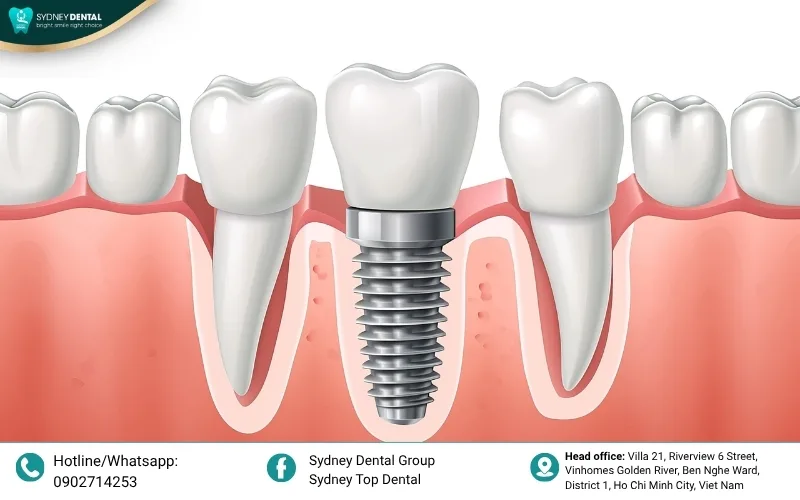
A dental implant is a sophisticated medical device consisting of a titanium post, an abutment, and a custom-made crown. The titanium post acts as a replacement for the tooth root, providing a stable foundation for the prosthetic tooth. These three components work together to restore both the appearance and the full chewing functionality of your smile.
Adhering to a rigorous clinical protocol is vital for minimizing surgical risks and ensuring the long-term stability of the implant.
- Strict adherence guarantees a high success rate by optimizing the bone integration process.
- Professional standards prevent common complications such as infections or implant rejection.
- A structured approach allows for precise placement and better aesthetic alignment with surrounding teeth.
2. The 6-Step International Standard Dental Implant Procedure
Following an international standard ensures that every stage of the treatment is executed with precision and care. This comprehensive six-step process guides patients from initial diagnosis to the final restoration of their smile.
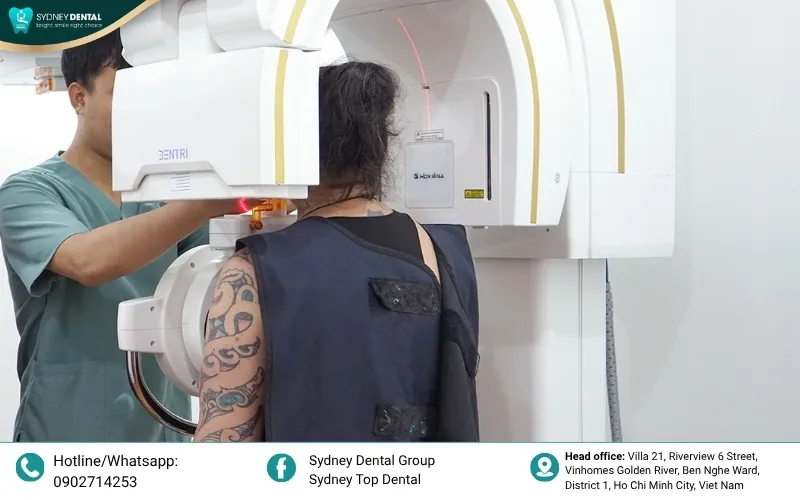
2.1. Step 1: General Examination and CT Cone Beam Scan
Before surgery begins, a comprehensive examination and a 3D CT Cone Beam scan are performed to assess the patient’s jawbone structure. This advanced imaging technology provides detailed views of bone density and the exact location of nerves or sinus cavities. Precise data from this step allows surgeons to plan the optimal placement of the implant for maximum stability.
2.2. Step 2: Treatment Planning and Selecting the Right Implant Brand
Based on the diagnostic images, doctors will create a personalized treatment plan and suggest the most suitable implant brand for your needs. Patients can choose from globally recognized manufacturers that offer various benefits in terms of healing time and durability. Some of the most trusted brands used in modern dentistry include:
- Straumann (Switzerland)
- Nobel Biocare (Sweden/USA)
- Osstem (South Korea)
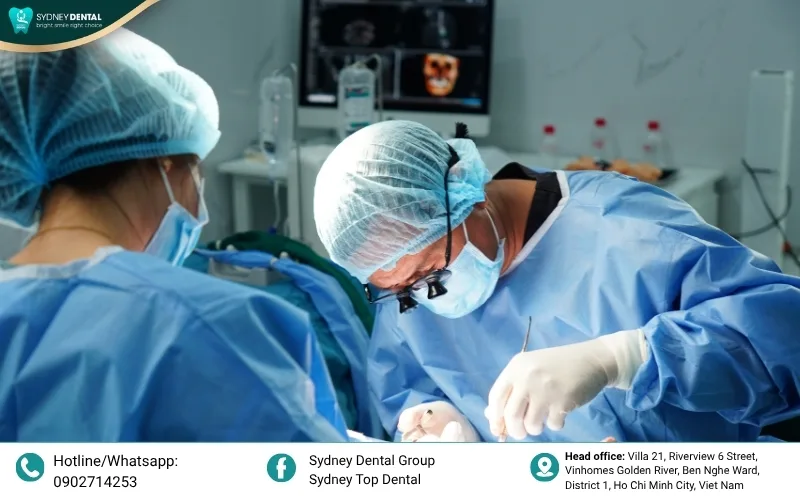
2.3. Step 3: Implant Placement Surgery (The Most Critical Stage)
The surgical placement of the titanium post is performed in a strictly sterile environment to prevent any risk of cross-contamination. Patients are typically administered local anesthesia or sedation to ensure they remain completely comfortable throughout the procedure. Depending on the complexity, placing a single implant usually takes only 15 to 30 minutes to complete.
2.4. Step 4: Waiting for Osseointegration
After the surgery, a critical healing phase called osseointegration occurs where the jawbone grows and fuses directly with the titanium surface. This natural process typically takes between three to six months to ensure the implant is strong enough to support a tooth. A stable bond between the bone and the metal post is what makes dental implants so durable and reliable.
2.5. Step 5: Attaching the Abutment and Taking Impressions
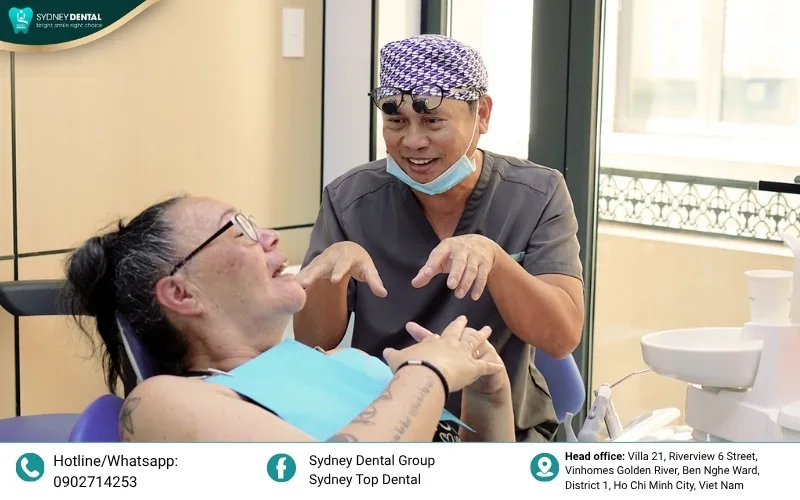
Once the implant has successfully integrated with the bone, the dentist attaches the abutment, which serves as the connector piece. Following this, digital or traditional impressions are taken to create a highly accurate model of your mouth. These models are sent to a laboratory where a custom crown is crafted to match the color and shape of your natural teeth.
2.6. Step 6: Placing the Permanent Crown and Final Check
In the final stage, the custom-made ceramic crown is securely attached to the abutment to complete the restoration. The dentist will carefully adjust your bite to ensure the new tooth feels natural and comfortable during speech and eating. Finally, you will receive detailed instructions on how to maintain your new smile through proper hygiene and routine check-ups.
3. Is the Dental Implant Procedure Painful?
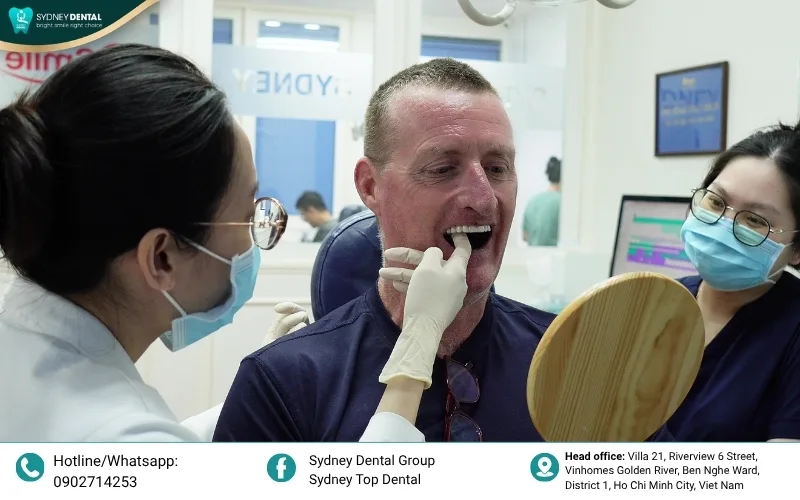
Modern dental technology and advanced anesthesia techniques have made the implant procedure significantly more comfortable than many patients expect. Dentists use specialized numbing agents and minimally invasive surgical tools to reduce trauma to the surrounding tissues. These innovations ensure that the actual surgery is virtually painless and highly efficient for the patient.
Most patients describe the sensation during the procedure as mild pressure rather than sharp or intense pain. After the anesthesia wears off, some slight swelling or discomfort may occur, but this is easily managed with prescribed medication. Within a few days, the surgical site typically heals enough for patients to return to their normal daily activities.
4. Factors Determining the Success of an Implant Procedure
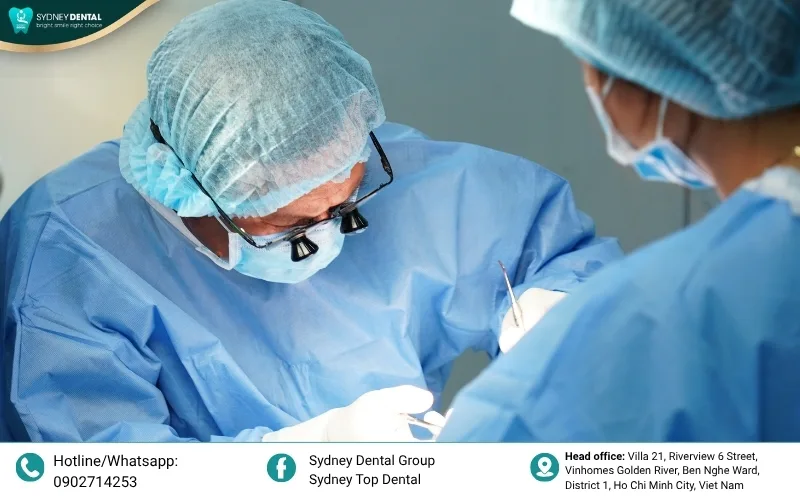
The success of a dental implant depends on several critical factors that work together to ensure a long-lasting result. Careful attention to these elements can significantly improve the clinical outcome and patient satisfaction.
- Specialist Surgeon’s Skill:
The expertise of the surgeon is paramount in navigating complex anatomical structures and ensuring precise placement. A highly trained specialist can effectively manage any unexpected challenges that may arise during the surgical phase. - Supportive Equipment and Technology:
State-of-the-art diagnostic tools like CT scans and surgical guides allow for higher accuracy during the procedure. Utilizing modern technology reduces the margin of error and helps in achieving more predictable restorative results.

- Quality of Implant and Dental Materials:
Using high-quality titanium posts and durable ceramic crowns ensures better biocompatibility and resistance to wear. Premium materials from reputable brands are less likely to cause allergic reactions or structural failure over time. - Post-Operative Care by the Patient:
The patient’s commitment to following recovery instructions is essential for proper healing and bone integration. Maintaining excellent oral hygiene and avoiding harmful habits like smoking will protect the implant from potential infections.
5. Important Notes After the Procedure
Proper aftercare is just as important as the surgery itself to guarantee the longevity of your new dental implant. Following these simple guidelines will help prevent complications and speed up the recovery process.
- Dietary Choices (Soft foods, avoid extreme temperatures):
Patients should stick to a soft food diet for the first few days to avoid putting excessive pressure on the surgical site. It is also important to avoid extremely hot or cold beverages that might irritate the sensitive healing tissues. - Oral Hygiene to Prevent Peri-implantitis:
Gently cleaning the area around the implant is necessary to prevent the buildup of bacteria and plaque. Using a soft-bristled brush and alcohol-free mouthwash will help maintain a healthy environment for the new tooth. - Regular Follow-up Appointments:
Scheduling routine check-ups allows your dentist to monitor the health of the implant and the surrounding bone. Early detection of any issues during these visits can prevent more serious problems from developing in the future.
6. Frequently Asked Questions (FAQ)
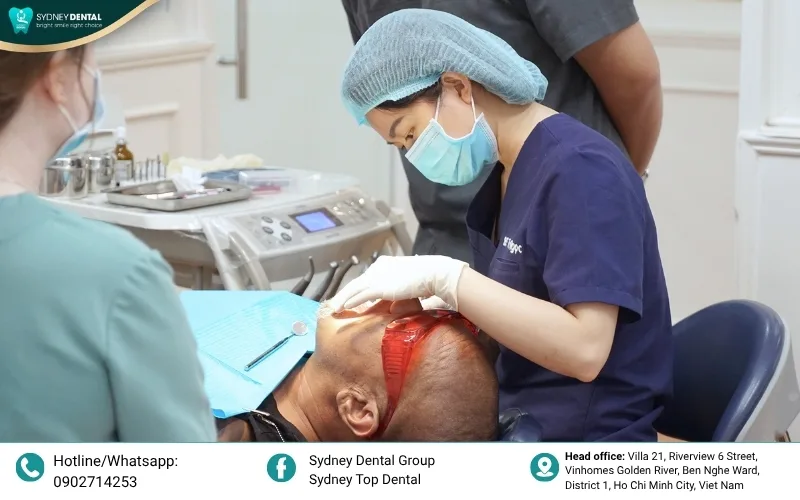
Many patients have similar concerns when considering dental implants as a solution for missing teeth. Below are the answers to the most common questions regarding the timeline, eligibility, and costs of the procedure.
- How long does the entire dental implant process take to complete?
The total timeline usually ranges from three to nine months depending on individual healing rates and the need for bone grafting. - Can people with diabetes or heart disease get dental implants?
Yes, patients with these conditions can receive implants as long as their health is well-controlled and cleared by their physician. - Why is the cost of dental implants higher than other tooth replacement methods?
The price reflects the use of high-grade biocompatible materials, advanced technology, and the specialized skill required for permanent results. - How long is the lifespan of a dental implant?
With proper care and regular professional maintenance, a high-quality dental implant can last for a lifetime.
Choosing a medical standard dental implant procedure is the best way to restore your oral health and regain your beautiful smile. By following a structured process and prioritizing professional expertise, you can enjoy a durable solution that looks and feels just like natural teeth. Invest in a high-quality restoration today to ensure a lifetime of confidence and functional chewing ability.
Sydney Top Dental
📍 Address: No. 21, Riverview 6 Street, Vinhomes Golden River Villas, Ben Nghe Ward, District 1, Ho Chi Minh City
📞 Hotline: 090 271 42 53
🌐 Facebook: Sydney Top Dental


Our Doctors
Get a Free Initial Consultation