
- 1. What are Dental implants in cheekbone?
- 2. Why is it a "lifesaver" for long-term tooth loss?
- 3. Indications and Contraindications
- 4. Clinical Procedure
- 5. Pros and Cons of Zygomatic Implants
- 6. How much do Zygomatic Implants cost?
- 7. Sydney Dental Clinic (Sydney Top Dental) – Vietnam’s Premier Destination for Zygomatic Implants
Dental implants in cheekbone represent a revolutionary advancement for patients suffering from severe upper jaw bone loss. This sophisticated surgical technique bypasses the need for traditional bone grafting by anchoring long implants directly into the sturdy cheekbones. For many individuals previously told they were ineligible for dental restorations, this procedure offers a definitive path to a permanent, functional smile.
1. What are Dental implants in cheekbone?
Understanding the technical nature of zygomatic implants is the first step toward reclaiming your oral health and confidence. Unlike conventional methods, specialized fixtures utilize a unique anatomical approach to provide stability where bone density is lacking.
1.1. Concept and length difference compared to regular implants
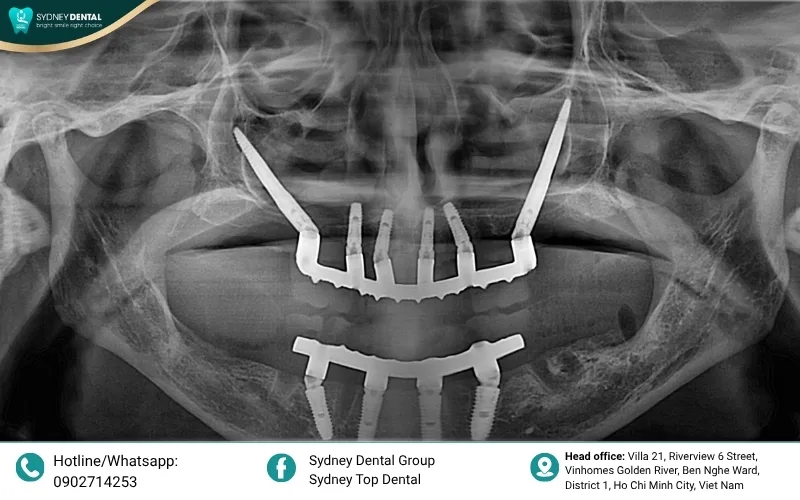
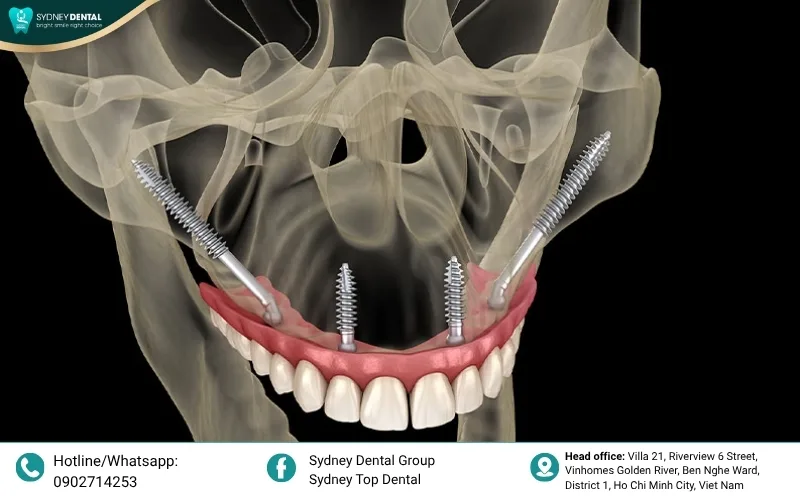
Standard dental implants are typically 8 to 15 millimeters long and are placed directly into the alveolar bone of the jaw. In contrast, zygomatic implants are significantly longer, often ranging from 30 to 52.5 millimeters to reach the dense zygomatic bone. This increased length allows the implants to provide a secure foundation even when the maxillary bone has significantly resorbed.
1.2. Anchoring mechanism in the cheekbone (Zygoma bone) instead of the upper jaw
The zygoma bone, commonly known as the cheekbone, maintains its density and volume regardless of tooth loss or aging. By anchoring the implants into this cortical bone, surgeons can achieve high primary stability that is often impossible in a thin upper jaw. This biomechanical advantage ensures that the prosthetic teeth remain firmly in place during daily activities like chewing and speaking.
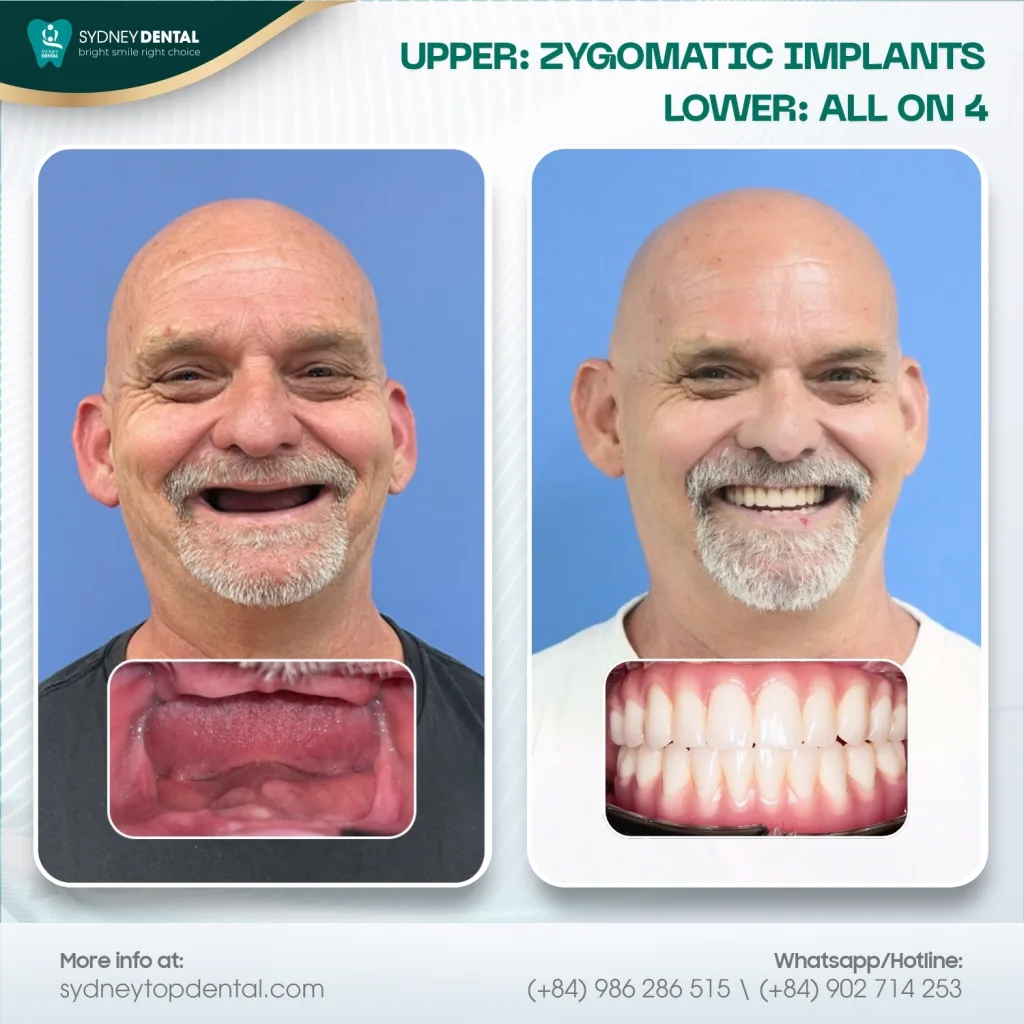
2. Why is it a “lifesaver” for long-term tooth loss?
For patients who have struggled with missing teeth for decades, dental implants in cheekbone offer hope where traditional dentistry often fails. This procedure addresses the most challenging anatomical limitations to restore both aesthetics and essential oral functions.
2.1. Resolving severe upper jaw bone resorption
Chronic tooth loss often leads to severe bone atrophy, making the upper jaw too thin or soft to support standard dental implants. Zygomatic implants effectively bypass những compromised areas by utilizing the stable and reliable structure of the cheekbones. This approach eliminates the physical barriers that previously prevented patients from receiving permanent dental restorations.
2.2. Perfect replacement for complex bone grafts or failed sinus lifts
Traditional bone grafting and sinus lift procedures often require multiple surgeries and months of healing time before implants can even be placed. Zygomatic implants remove những hurdles, offering a streamlined alternative that succeeds where previous bone-building attempts may have failed. By choosing this method, patients can avoid the discomfort and extended waiting periods associated with invasive grafting techniques.
2.3. Immediate restoration (Teeth-in-a-day)
One of the most significant benefits of this procedure is the ability to support immediate loading of the dental prosthesis. Patients can often receive a functional set of temporary teeth within just hours of the surgical placement. This “Teeth-in-a-day” approach allows individuals to walk out of the clinic with a restored smile and improved quality of life almost instantly.
3. Indications and Contraindications
Not every patient is a candidate for dental implants in cheekbone as the procedure requires careful screening of both oral and systemic health. Determining your eligibility involves a comprehensive evaluation of your medical history and the current state of your facial bone structure.
3.1. Indications: Total tooth loss, bone loss near sinuses, failed All-on-4
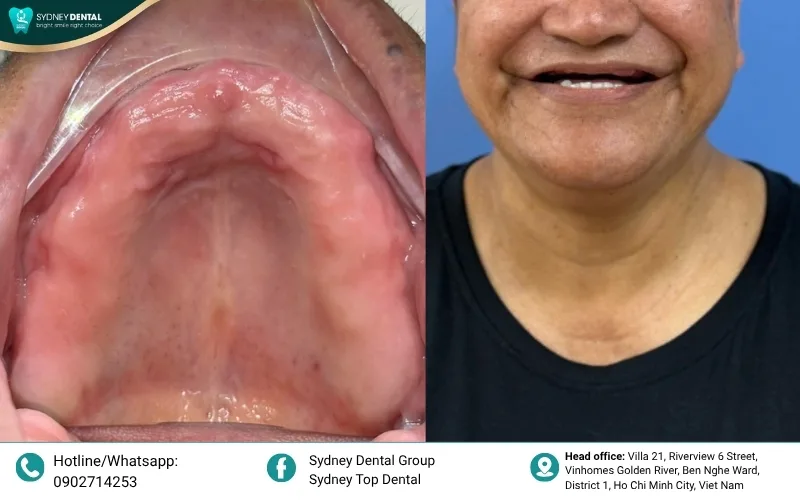
This procedure is specifically designed for complex cases where traditional restorative methods are no longer viable options. It is highly recommended for patients who have experienced significant bone loss due to long-term denture wear or trauma. Common candidates for zygomatic implants include:
- Patients with total edentulism (complete tooth loss) in the upper jaw.
- Individuals with severe maxillary atrophy where sinus lifts are insufficient.
- Cases involving the failure of previous All-on-4 or traditional implant treatments.
3.2. Contraindications: Uncontrolled systemic diseases, acute sinusitis
Despite its high success rate, certain health conditions may prevent a patient from safely undergoing this advanced surgical procedure. Medical clearance is essential to ensure that the body can heal properly and support the new implants over the long term. Primary contraindications for zygomatic implants include:
- Uncontrolled systemic diseases such as severe diabetes or cardiovascular conditions.
- Acute or chronic infection of the maxillary sinuses that requires prior treatment.
- Active smoking habits or radiation therapy in the head and neck region.
A comprehensive consultation with a maxillofacial expert is essential to evaluate these critical factors alongside the anticipated benefits of the procedure. A clear understanding of these specific criteria ensures that the resulting treatment plan is both safe and optimized for your unique requirements.
4. Clinical Procedure
The placement of dental implants in cheekbone is a highly technical process that follows a strict clinical protocol to ensure precision and safety. Each stage of the journey is meticulously planned to provide the most predictable and comfortable outcome for the patient.
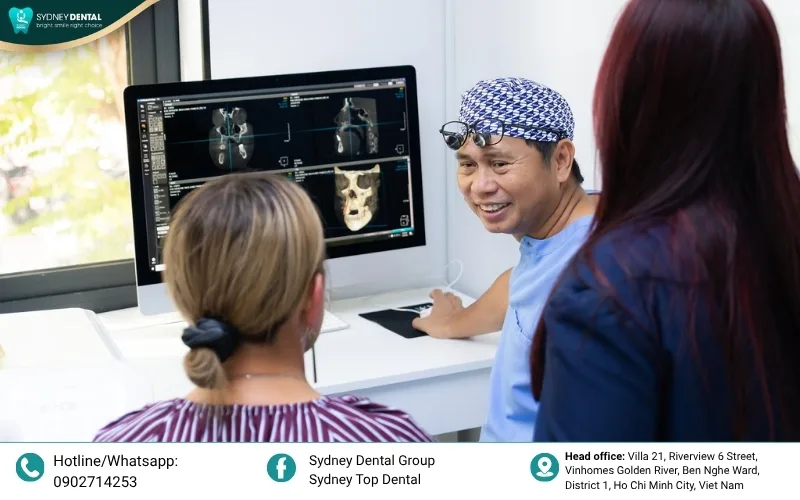
4.1. Step 1: Exam, CT Cone Beam, and 3D Mapping
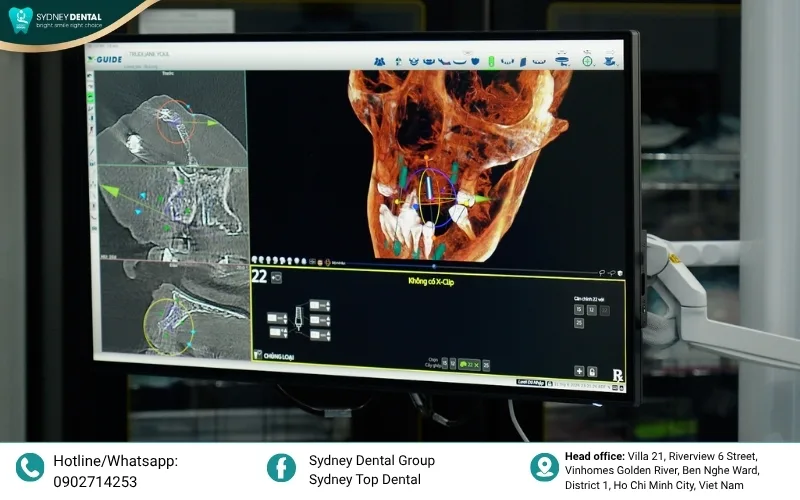
The process begins with a comprehensive oral examination and high-resolution 3D imaging using CT Cone Beam technology. These scans allow the surgical team to visualize the exact density of the cheekbones and the location of vital nerves or sinuses. This digital mapping serves as the foundation for a precise surgical blueprint tailored to the patient’s unique anatomy.
4.2. Step 2: Treatment plan and surgical simulation
Using specialized software, the surgeon performs a virtual simulation of the entire procedure before the actual surgery takes place. This step allows for the optimal placement of mỗi implant to ensure maximum stability and aesthetic harmony with the face. By simulating the surgery digitally, the medical team can minimize risks and improve the overall efficiency of the operation.
4.3. Step 3: Surgery (Under general anesthesia)
The actual surgical placement of the zygomatic implants is performed in a sterile operating environment, typically under general anesthesia or deep sedation. This ensures that the patient remains completely comfortable and pain-free throughout the complex procedure. The surgeon carefully anchors the long implants into the zygomatic bone according to the pre-planned 3D model.
4.4. Step 4: Temporary functional teeth within 24-72 hours
Shortly after the surgery, a customized set of temporary teeth is fabricated and securely attached to the new implants. This provisional bridge restores the patient’s ability to eat soft foods and smile with confidence during the initial healing phase. This immediate functionality is a key advantage, providing instant gratification while the bone undergoes the integration process.
4.5. Step 5: Permanent teeth after osseointegration
Once the implants have fully integrated with the bone, the temporary set is replaced with a high-quality, permanent teeth. This final restoration is designed to provide life-long durability and the most natural appearance possible for the patient.
5. Pros and Cons of Zygomatic Implants
Every advanced medical procedure has its unique set of advantages and challenges that patients should carefully consider. Evaluating những pros and cons helps in making an informed decision about your long-term oral health investment.
5.1. Pros: High success (>95%), short treatment, no autogenous bone graft
Dental implants in cheekbone are widely recognized for their ability to deliver exceptional results in even the most difficult clinical scenarios. This method significantly reduces the total treatment time by eliminating the need for invasive bone harvesting from other parts of the body. Key benefits of choosing this procedure include:
- High clinical success rates exceeding 95% in long-term studies.
- Rapid restoration of oral function without the need for multiple surgeries.
- Avoidance of the risks and discomfort associated with autogenous bone grafting.
- Fast-acting results with immediate improvements in appearance and chewing ability.
- Streamlined treatment protocols to minimize total chair time and recovery periods.
5.2. Cons: High difficulty, requires expertise and modern equipment
While the benefits are substantial, the technical complexity of placing zygomatic implants requires a highly specialized skill set. Not every dental clinic is equipped or trained to perform this level of maxillofacial surgery safely. Potential drawbacks or requirements for this procedure include:
- An extremely high degree of surgical difficulty compared to standard implants.
- The absolute necessity for a surgeon with extensive maxillofacial training and experience.
- The requirement for advanced digital diagnostic tools and a hospital-grade surgical suite.
Despite requirements, the transformative power of this surgery makes it the gold standard for severe bone loss cases. Choosing the right specialist is the most critical factor in mitigating những challenges and đảm bảo a successful outcome.
6. How much do Zygomatic Implants cost?
The investment for zygomatic implants is generally higher than traditional methods due to the complexity and specialized materials involved. Factors such as the brand of the implant, the type of final prosthesis, và the clinic’s technology level will influence the total cost. Most clinics provide a customized quote after a detailed 3D assessment to account for the unique surgical needs of patients.
7. Sydney Dental Clinic (Sydney Top Dental) – Vietnam’s Premier Destination for Zygomatic Implants
Founded by Dr. Nguyen Ngoc Hai, Sydney Dental Clinic (Sydney Top Dental) was established to bring premium Australian medical standards to the heart of Vietnam. It has become the most trusted address for international patients seeking advanced dental restoration, thanks to the following world-class advantages:
- The First & Only ZAGA Center in Vietnam: We are proud to be the first and only facility in Vietnam officially certified as a ZAGA Center (part of the Zygoma Zygomatic Anchorage Academy). This global network represents the elite standard in treating severe bone loss.
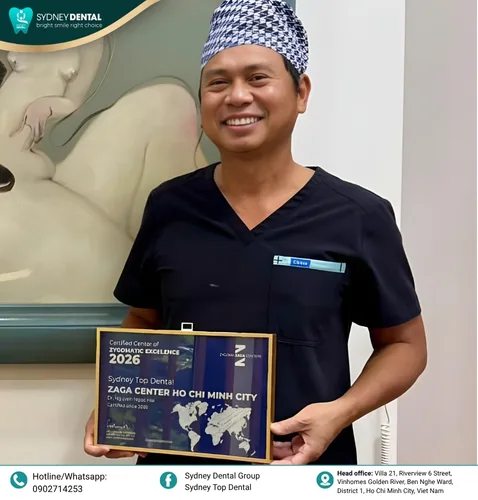
- World-Class Expertise: Our clinical team is led by Dr. Nguyen Ngoc Hai, a specialist with over 30 years of experience. Having undergone extensive professional training and certified in both the United States and Australia, Dr. Hai is a leading expert in complex dental implants in cheekbone and full-mouth oral rehabilitations.
- Cutting-Edge Technology: We achieve absolute surgical precision through the use of X-Guide Dynamic Navigation and CT Cone Beam imaging. These systems act as a “GPS for surgery,” ensuring the safest and most accurate implant placement possible.
- Bespoke VIP Services for International Guests: We ensure a seamless, stress-free journey with a dedicated support suite:
- Comprehensive Visa assistance, luxury airport pickups, and personal English-speaking assistants.
- 4-star accommodation arrangements and private transfers between your hotel and the clinic for every appointment.
- Financial Accessibility: We offer specialized support for Australian patients, assisting with the necessary medical documentation to access Superannuation funds to cover the cost of essential dental treatments.
- Optimized Costs without Compromise: Patients benefit from prices that are typically 60% to 70% lower than in developed nations like Australia or the USA. Despite the lower cost, we exclusively use premium, world-renowned implant systems such as JD Zygoma and Straumann Zygomatic.

If you have been told you are ineligible for dental implants because you “don’t have enough bone,” Zygomatic Implants at Sydney Dental Clinic are your second chance. We are here to help you regain a permanent, beautiful smile and the ability to eat with total confidence.
Dental implants in cheekbone offer a life-changing opportunity for those who thought they would never be able to have fixed teeth again. By choosing this advanced technology, you can restore your health, confidence, and ability to enjoy life to the fullest. Consult with a qualified specialist today to discover if this revolutionary solution is the right path for your new smile.
Sydney Top Dental
📍 Address: No. 21, Riverview 6 Street, Vinhomes Golden River Villas, Ben Nghe Ward, District 1, Ho Chi Minh City
📞 Hotline: 090 271 42 53
🌐 Facebook: Sydney Top Dental


Our Doctors
Get a Free Initial Consultation