
- 1. Jawbone Resorption in Seniors: Why is it Dangerous?
- 2. Can Seniors with Bone Loss Receive Dental Implants?
- 3. The Implant Procedure for Seniors with Bone Loss
- 4. Why Choose Implants Over Dentures?
- 5. Golden Rules for Implant Success in Seniors
- 6. Dental Tourism in Vietnam - Sydney Top Dental: 60% Savings for Global Patients
Many seniors believe that bone loss after tooth loss is an irreversible end to their smile and chewing ability. Fortunately, modern implant dentistry offers advanced solutions specifically designed to rebuild bone structure and restore dental function. This guide explores how you can regain your quality of life through safe, proven, and effective implant procedures.
1. Jawbone Resorption in Seniors: Why is it Dangerous?
When a tooth is lost, the surrounding jawbone no longer receives the necessary stimulation, causing it to gradually shrink and disappear. Understanding this process is vital for seniors to prevent long-term complications and maintain overall oral health.
1.1. Understanding Bone Resorption After Long-Term Tooth Loss
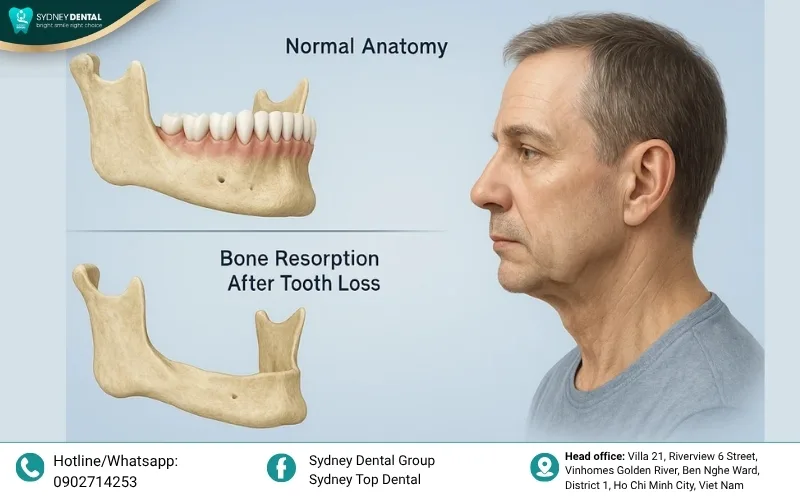
When you lose a tooth, the alveolar bone begins to resorb because the natural pressure from chewing is no longer transferred to the jaw. Over time, this natural physiological process causes the height and width of the bone to decrease significantly. This reduction in bone volume not only changes your facial structure but also makes future dental restorations much more complex.
This bone loss is not just a surface issue; it affects the structural integrity of your entire jaw. If left untreated, the remaining teeth may shift, loosen, or fall out due to the lack of surrounding bone support. Early intervention is the most effective way to halt this progressive decay and preserve your oral foundation.
1.2. The Consequences for Overall Health and Chewing Function
Severe bone loss directly impairs your ability to chew, forcing you to choose soft, nutrient-poor foods that can lead to digestive issues. Without adequate bone support, your facial muscles may sag, leading to a prematurely aged appearance that affects self-confidence. Furthermore, the inability to chew properly often causes seniors to avoid social dining, which can lead to social isolation and nutritional deficiencies.
Beyond aesthetics, the loss of bone height can cause the sinuses to expand or change position, complicating potential dental treatments. This creates a cycle of discomfort where declining dental health impacts your systemic physical well-being. Restoring the bone structure is therefore not just about a pretty smile, but about securing your health for the years ahead.
2. Can Seniors with Bone Loss Receive Dental Implants?
The answer is a resounding yes, as modern dentistry provides specialized grafting techniques to rebuild the foundation for implants. With careful planning and the right medical approach, most seniors can successfully enjoy the benefits of a permanent, fixed smile.
2.1. Expert Opinion: The Synergy of Implants and Bone Grafting
According to Dr. Nguyen Ngoc Hai, a leading expert in dental implantology, bone loss is no longer a barrier to successful treatment. By utilizing advanced bone grafting techniques, we can effectively reconstruct the necessary bone volume to hold an implant securely. This synergy allows us to restore both function and aesthetics, even in patients who have been told they have insufficient bone.
Dr. Hai emphasizes that the key to success lies in a personalized treatment plan tailored to the patient’s bone density and systemic health. When the graft is integrated successfully, the jaw becomes robust enough to support long-lasting, high-performance dental implants. This approach empowers seniors to achieve outcomes that were previously considered impossible in traditional dentistry.
2.2. Common Bone Grafting Methods (Autogenous vs. Synthetic)
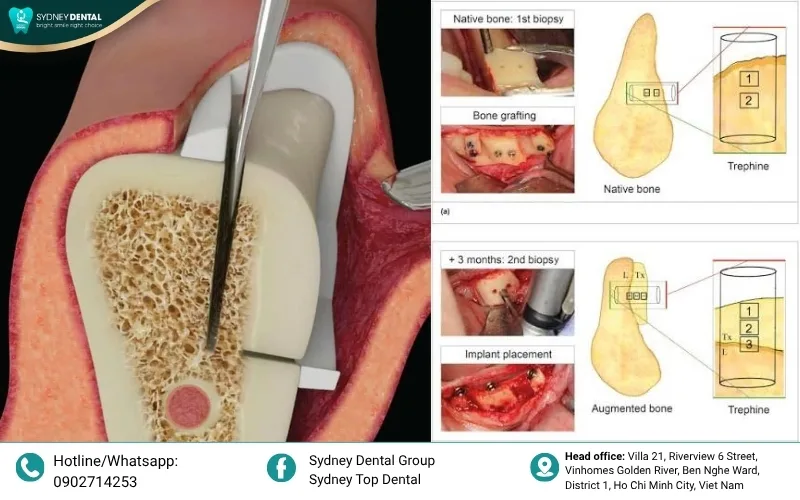
Autogenous bone grafting involves using the patient’s own bone, typically harvested from a donor site in the jaw or hip.
- Pros: Highly biocompatible with zero rejection risk.
- Cons: Requires a second surgical site for harvesting.
- Target: Patients requiring large, complex bone reconstructions.
Synthetic bone grafting utilizes biocompatible, lab-created materials to act as a scaffold for natural bone growth.
- Pros: No need for additional surgery; eliminates donor site pain.
- Cons: Slower integration time compared to autogenous bone.
- Target: Patients with mild to moderate localized bone loss.
3. The Implant Procedure for Seniors with Bone Loss
The journey to a restored smile is safer than ever thanks to state-of-the-art diagnostic technology and precise surgical protocols. By following a structured process, your dentist ensures that every step is optimized for your comfort and long-term success.
Step 1: Diagnosis with CT Conebeam 3D Technology
Advanced CT Conebeam 3D imaging allows your doctor to map your jaw structure with sub-millimeter precision. This high-resolution visualization helps identify the exact areas of bone loss and the proximity to vital nerves. By understanding your unique anatomy beforehand, we minimize surgical risks and maximize the predictability of your implant outcome.
Step 2: Bone Grafting and Osseointegration Time
Once the graft is placed, a healing period is required to allow the new bone to fuse with your existing jawbone. This biological integration, known as osseointegration, is the foundation for a stable and durable implant. Depending on the volume of the graft, this phase ensures your jaw is strong enough to bear the forces of daily chewing.
Step 3: Placing the Implant and Restoring the Crown
After the bone has matured, the titanium implant is carefully inserted into the newly prepared site. Once it is firmly anchored, a custom-made crown is attached to restore your natural bite and appearance. This final stage marks the completion of your restoration, providing you with a functional and aesthetically pleasing smile.

4. Why Choose Implants Over Dentures?
While dentures have been the traditional solution, they cannot stop the underlying bone loss that occurs after tooth extraction. Dental implants offer a superior, permanent alternative that protects your oral structure and enhances your daily life.
4.1. Preventing Continued Jawbone Resorption
Unlike removable dentures, which only sit on top of the gums, dental implants integrate directly into the jawbone. This direct connection stimulates the bone, preventing the ongoing resorption that typically happens after tooth loss. By choosing implants, you are actively preserving your jaw structure for the rest of your life.
4.2. The Realistic Feel of Natural Teeth
Dental implants function exactly like natural teeth, allowing you to eat your favorite foods without the fear of slipping or discomfort. Because they are fixed in place, there is no need for messy adhesives or the constant maintenance required by traditional dentures. This natural feel provides the confidence to smile, speak, and eat in social settings without any hesitation.
5. Golden Rules for Implant Success in Seniors
Successfully placing implants in seniors requires a focus on holistic health management and professional expertise. By working closely with your clinical team, you can significantly improve the longevity and safety of your treatment.
Before starting any surgical procedure, it is crucial to stabilize chronic conditions to ensure optimal healing and integration. Please inform your dental team if you are currently being treated for any of the following:
- Type 2 Diabetes
- High Blood Pressure (Hypertension)
- Osteoporosis
- Cardiovascular Disease
Selecting a clinic with proven expertise in implantology is the most important decision you will make for your oral health. A qualified specialist will not only have the technical skill to perform the surgery but also the ability to handle complex complications. They prioritize your safety and long-term satisfaction through evidence-based practices and high-quality materials.
6. Dental Tourism in Vietnam – Sydney Top Dental: 60% Savings for Global Patients
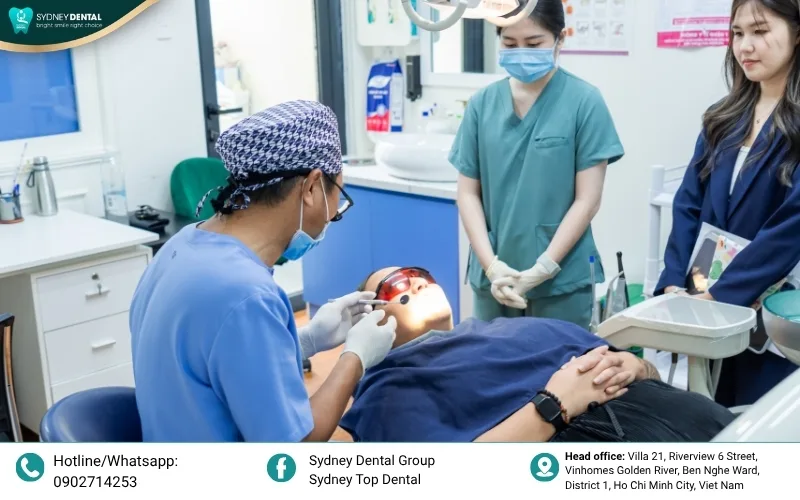
Sydney Top Dental is a premier destination for international patients seeking world-class dental care at an affordable price. We are proud to be the first clinic in Vietnam to introduce the Zygoma center, specifically designed for patients with severe bone loss. Our team utilizes cutting-edge protocols to provide life-changing smiles to patients who were previously deemed “inoperable” elsewhere.
The Zygoma implant technique bypasses the need for extensive bone grafting by anchoring implants into the cheekbone. This revolutionary approach is ideal for seniors with advanced jawbone atrophy who want a faster, more predictable solution. Our clinic combines these specialized techniques with a luxury experience that saves international patients up to 60% compared to Western prices.
We understand that undergoing dental treatment abroad requires complete trust in your medical team. That is why our facility adheres to the highest international safety standards, utilizing global-standard equipment and sterile environments. From your first consultation to your final restoration, we ensure your journey to a new smile is comfortable, transparent, and successful.
In summary, severe bone loss should no longer be a barrier to achieving the smile you deserve. By leveraging modern technology like Zygoma implants and expert bone grafting, we can restore your ability to eat and speak with total confidence. We invite you to schedule a consultation with our specialists to begin your personalized transformation today.
Sydney Top Dental
📍 Address: No. 21, Riverview 6 Street, Vinhomes Golden River Villas, Ben Nghe Ward, District 1, Ho Chi Minh City
📞 Hotline: 090 271 42 53
🌐 Facebook: Sydney Top Dental


Our Doctors
Get a Free Initial Consultation