
- 1. Why diabetes and bone loss are "challenges" in dental implantation?
- 2. Conditions for safe dental implants in diabetics with bone loss
- 3. Optimal solutions: Specialized implants and supporting technologies
- 4. Medical standard procedure for high-risk implant cases
- 5. Golden rules for maintaining long-term results
Losing teeth significantly impacts nutritional intake and overall quality of life for diabetic patients who already face dietary restrictions. Many individuals worry that their chronic condition and subsequent bone depletion might permanently prevent them from restoring their smiles effectively. However, modern dental implants offer a viable solution because diabetes and bone loss are no longer absolute barriers when managed with the right medical approach.
1. Why diabetes and bone loss are “challenges” in dental implantation?
Performing dental implants for diabetic patients involves navigating complex physiological factors that can affect the long-term stability of the restoration. Understanding these specific biological hurdles is essential for both the dental surgeon and the patient to ensure a successful outcome.
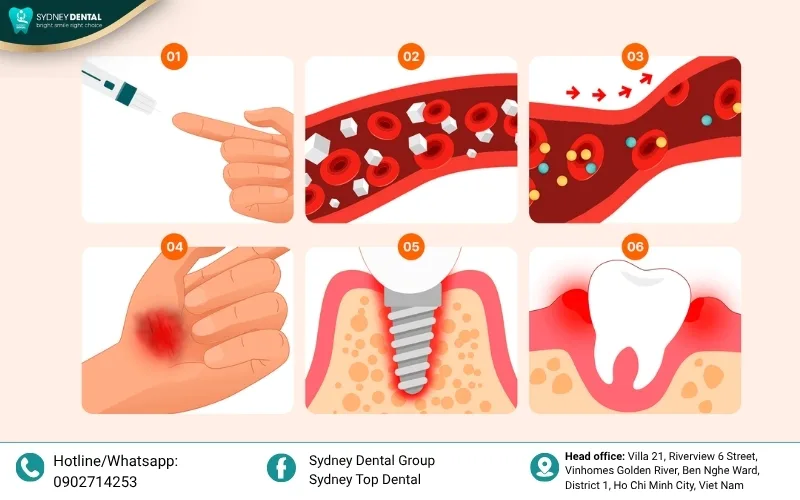
1.1. Impact of blood sugar on healing and osseointegration
High glucose levels in the bloodstream can severely impair the body’s natural inflammatory response and slow down the recovery of soft tissues. This delayed healing process increases the window of vulnerability where the surgical site is exposed to external pathogens. Consequently, poor glycemic control often hinders the crucial process of osseointegration, which is the direct structural connection between the bone and the implant.
Medical research indicates that stable blood sugar is the primary foundation for a predictable surgical recovery. When glucose levels fluctuate wildly, the oxygen supply to the surgical area decreases, preventing essential nutrients from reaching the healing bone cells. Doctors must therefore prioritize stabilizing these levels before and after the procedure to protect the integrity of the implant.
1.2. The link between diabetes and rapid jawbone loss
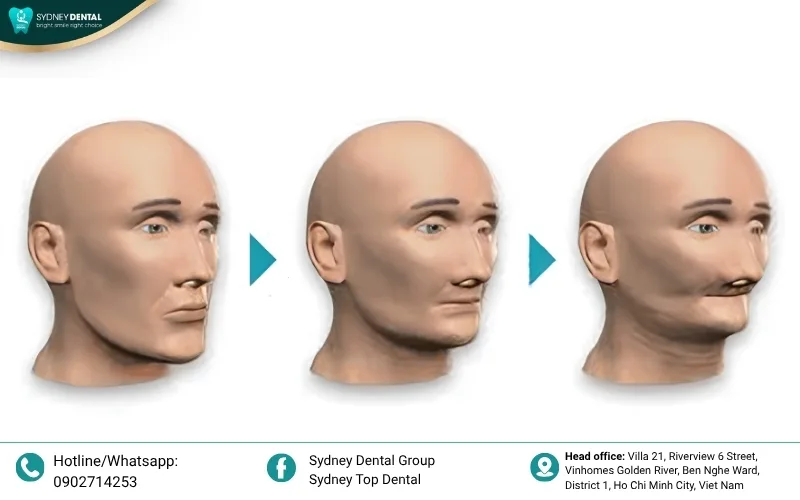
Diabetes is often associated with a higher prevalence of periodontal disease, which is the leading cause of bone resorption in the jaw. Chronic inflammation in the gums triggers the body to break down bone tissue at an accelerated rate compared to healthy individuals. This creates a challenging environment where the available bone volume is insufficient to support a standard dental implant.
Furthermore, the metabolic imbalances caused by diabetes can reduce the rate of new bone formation, making natural regeneration more difficult. When a tooth is lost, the lack of stimulation causes the jawbone to shrink even further over time. Addressing this bone deficiency is a mandatory step for any diabetic patient seeking a long-term tooth replacement solution.
1.3. Risk of Peri-implantitis in patients with medical conditions
Peri-implantitis is an inflammatory condition that affects the tissues surrounding a dental implant and can lead to total hardware failure. Diabetic patients are statistically at a higher risk for this condition due to their compromised immune systems and slower tissue repair. If bacteria accumulate around the implant site, the body’s weakened defense mechanisms struggle to clear the infection effectively.
Persistent high blood sugar provides a fertile environment for harmful bacteria to thrive and colonize the area around the implant. Without proactive management, this infection can quickly lead to the destruction of the supporting bone. Specialist dentists must implement strict sterilization protocols and provide detailed aftercare instructions to mitigate these specific risks.

2. Conditions for safe dental implants in diabetics with bone loss
To achieve a high success rate, certain medical benchmarks must be reached before any surgical intervention is considered. These criteria ensure that the patient’s body is biologically capable of supporting and maintaining the new dental structure.
2.1. Controlling HbA1c levels (Ideal and safe ranges)
The HbA1c test is the most reliable indicator of how well a patient has managed their blood sugar over the past three months. For dental implant surgery, most specialists require an HbA1c level below 7.0% to ensure optimal healing conditions. While levels up to 8.0% may be acceptable in some cases, the risk of failure increases significantly as this number rises.
Consistency is key when preparing for a surgical procedure of this magnitude. Patients must demonstrate that their sugar levels are not only low but also stable over a sustained period. This stability provides the surgical team with the confidence that the patient’s metabolic state will support the integration of the titanium post.

2.2. Evaluating bone density and requirements for Bone Grafting
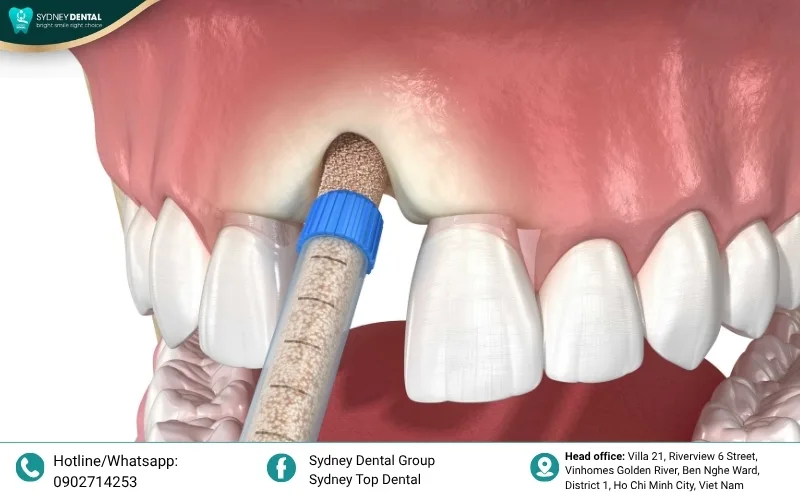
Before proceeding with surgery, a high-resolution CT scan is used to evaluate the height, width, and density of the remaining jawbone. If the bone has significantly receded due to diabetes or long-term tooth loss, a bone graft is often necessary to create a solid foundation. This procedure involves adding natural or synthetic bone material to the area to stimulate new growth.
Successful bone grafting provides the necessary mechanical support to hold the implant securely under the pressure of chewing. In diabetic patients, the choice of grafting material and the technique used must be carefully selected to encourage vascularization. Once the graft has successfully integrated, the jawbone becomes strong enough to proceed with the actual implant placement.
2.3. General health status and medication use (Related to osteoporosis)
It is common for patients with diabetes to also experience bone density issues such as osteoporosis, which requires specific medications. Certain drugs, particularly bisphosphonates, can interfere with bone metabolism and the healing process after dental surgery. A thorough review of all current prescriptions is vital to prevent complications like osteonecrosis of the jaw.
The dentist must also consider the patient’s cardiovascular health and their ability to handle local anesthesia. Collaborative communication between the dentist and the patient’s primary care physician ensures that all health variables are controlled. This holistic approach minimizes systemic risks and focuses on the patient’s overall safety during the dental restoration process.
3. Optimal solutions: Specialized implants and supporting technologies
Advanced dental technology has introduced specific tools designed to overcome the biological challenges faced by diabetic patients. By using these specialized resources, surgeons can significantly improve the predictability of the treatment.
3.1. Why choose premium implants (Straumann, Nobel Biocare) with SLActive surfaces?
Premium implant brands like Straumann and Nobel Biocare offer specialized surface treatments such as SLActive that are designed for faster osseointegration. These surfaces are chemically modified to be “water-loving,” which attracts blood cells and speeds up the bone-building process. For a diabetic patient, this technology reduces the critical healing time from months to just a few weeks.
The faster an implant integrates with the bone, the lower the risk of infection or early failure due to external factors. These high-end implants have been extensively studied in clinical trials specifically involving patients with compromised systemic health. Investing in superior hardware is a strategic choice to ensure the longevity of the dental restoration in a challenging environment.
3.2. Navigation technology and surgical guides for minimally invasive procedures
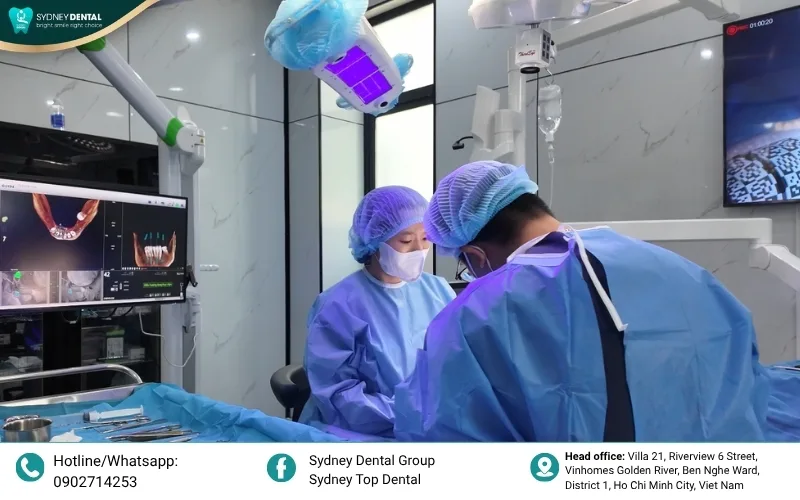
Modern dental clinics use 3D navigation technology to plan the exact placement of the implant with sub-millimeter precision. By using a pre-fabricated surgical guide, the dentist can place the implant through a tiny opening without the need for large incisions. This minimally invasive approach is particularly beneficial for diabetics as it reduces bleeding and post-operative swelling.
The precision of guided surgery ensures that the implant is placed in the area of the jaw with the highest bone density. It also protects vital structures like nerves and sinuses, which reduces the overall trauma to the oral tissues. Less trauma directly translates to a faster and more comfortable recovery period for the patient.
3.3. Sinus lift and advanced grafting techniques (Autogenous vs. Synthetic)
In cases of extreme bone loss in the upper jaw, a sinus lift may be required to create enough space for an implant. This advanced technique involves gently lifting the sinus membrane and placing bone graft material underneath. For diabetic patients, surgeons often prefer a blend of autogenous bone and high-quality synthetic materials to promote faster healing.
Autogenous bone, taken from the patient’s own body, contains living cells that naturally accelerate the regeneration process. When combined with synthetic scaffolds, it provides a stable and predictable environment for the new bone to develop. These sophisticated techniques ensure that even patients with severe bone depletion can eventually receive a permanent set of teeth.
4. Medical standard procedure for high-risk implant cases
A structured, multi-step protocol is essential to manage the unique risks associated with diabetic patients and bone loss. Following a standardized clinical pathway ensures that every safety precaution is taken at the right time.
Step 1: Comprehensive examination, CT scan, and blood tests.
The process begins with a detailed digital analysis of the oral cavity and a full review of the patient’s medical history. A CBCT scan provides a three-dimensional view of the bone structure to identify the best sites for implantation. Blood tests are mandatory to confirm current HbA1c levels and ensure the patient’s body is ready for surgery.
Step 2: Inter-disciplinary consultation between Dentist and Endocrinologist.
The dental surgeon will coordinate directly with the patient’s endocrinologist to align the treatment plan with their diabetes management. This collaboration ensures that the patient’s medication and diet are adjusted to maintain stable blood sugar during the surgical window. Expert medical clearance is a vital safeguard that prioritizes the patient’s systemic health above all else.

Step 3: Surgical implantation with real-time health monitoring.
During the procedure, the medical team monitors the patient’s blood pressure and glucose levels in real-time to ensure stability. Local anesthesia is administered carefully to minimize stress, which can otherwise cause blood sugar spikes. The surgery is performed with high-precision tools to ensure the implant is placed efficiently and with minimal tissue disruption.
Step 4: Integration phase and final prosthetic restoration.
After the implant is placed, a healing period of several months is required for the bone to fuse completely with the titanium. During this time, the patient wears a temporary restoration and undergoes regular check-ups to monitor the healing progress. Once the doctor confirms total osseointegration, the final high-quality porcelain crown is custom-fitted to complete the smile.
Learn more: Zygomatic Implant Vietnam: The “Gold” Solution for Severe Bone Loss
5. Golden rules for maintaining long-term results
Maintaining a dental implant as a diabetic requires a lifelong commitment to both oral hygiene and systemic health management. These three pillars are essential for preventing future complications and ensuring the implant remains functional for decades.
A balanced diet is crucial for keeping blood sugar levels within the target range, which directly impacts the health of the bone supporting the implant. Patients should focus on nutrient-dense foods that support bone density, such as those rich in calcium and Vitamin D. Avoiding high-sugar snacks and processed carbohydrates reduces the risk of inflammation and protects both natural teeth and implants.

Rigorous oral hygiene is the most effective way to prevent peri-implantitis and ensure the soft tissues remain healthy. Diabetic patients should use a soft-bristled brush, non-abrasive toothpaste, and specialized tools like water flossers to clean hard-to-reach areas. Keeping the area around the implant free from plaque prevents the bacterial buildup that leads to bone loss and hardware failure.
Regular dental check-ups every three to six months allow the specialist to monitor the stability of the implant and the health of the surrounding gums. These visits often include professional cleanings and X-rays to detect any early signs of bone resorption before they become serious problems. Consistent communication with your dental team ensures that your investment in your smile is protected for the long term.
Conclusion
While cấy ghép implant for diabetics with bone loss requires careful planning, it remains a highly feasible and successful solution with modern medical technology. By choosing an experienced surgical team and prioritizing blood sugar stability, patients can regain their ability to eat comfortably and smile with confidence. It is essential to select a reputable dental center equipped with advanced diagnostic tools and specialized expertise to ensure a safe, aesthetically pleasing, and life-changing result.
Sydney Top Dental
📍 Address: No. 21, Riverview 6 Street, Vinhomes Golden River Villas, Ben Nghe Ward, District 1, Ho Chi Minh City
📞 Hotline: 090 271 42 53
🌐 Facebook: Sydney Top Dental


Our Doctors
Get a Free Initial Consultation