
Replacing missing teeth is essential not only for restoring your smile but also for maintaining jawbone health and facial structure. A dental bridge offers a reliable solution by filling the gap with prosthetic teeth anchored to your natural teeth. This procedure provides a durable and aesthetically pleasing way to regain full dental function without extensive surgery.
1. How much does a dental bridge cost on average?
In 2026, the average cost for a dental bridge typically ranges from $1,500 to $5,000 depending on the complexity of the restoration. Most patients find that a standard three-unit bridge falls in the middle of this price spectrum. These figures usually cover the basic clinical fees but may vary based on additional diagnostic requirements like high-resolution X-rays.
Prices differ significantly between clinics because of varying overhead costs and the specific technology used in the dental laboratory. High-end practices in urban areas often charge more due to specialized equipment and the use of premium materials. Furthermore, the geographical location of the dental office plays a major role in determining the final quote you receive.
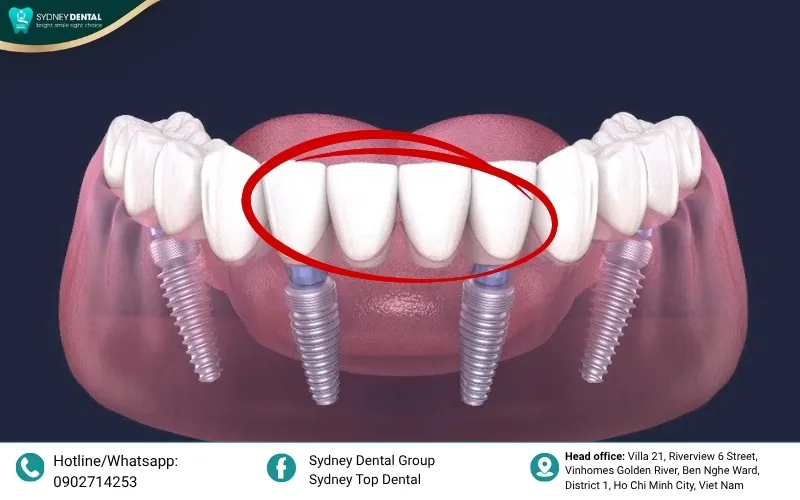
2. 4 Core factors that determine your dental bridge cost
Understanding the technical variables involved helps you budget effectively for your upcoming dental procedure. Several clinical aspects and material choices directly influence the final price of a customized bridge.
2.1. Number of teeth to be replaced
The total number of units in the bridge is the most direct factor influencing the overall expense of the treatment. Each additional pontic or crown required to bridge the gap adds significantly to the material and labor costs. Consequently, a four-unit bridge will naturally be more expensive than a simple three-unit replacement.
2.2. Material of the dental bridge
The choice of material affects both the visual appearance of the bridge and its long-term durability in the mouth. Modern dentistry offers several options ranging from affordable metals to high-end ceramic compounds.
- Metal and Titan: These bridges offer exceptional strength for back teeth but lack the natural transparency of ceramic. They are generally the most budget-friendly option for patients prioritizing function over aesthetics.
- All-Ceramic (Zirconia/Emax): Zirconia and Emax materials provide the most life-like appearance by mimicking the light-reflecting properties of natural enamel. While these materials are more costly, they are highly recommended for front teeth due to their superior beauty.
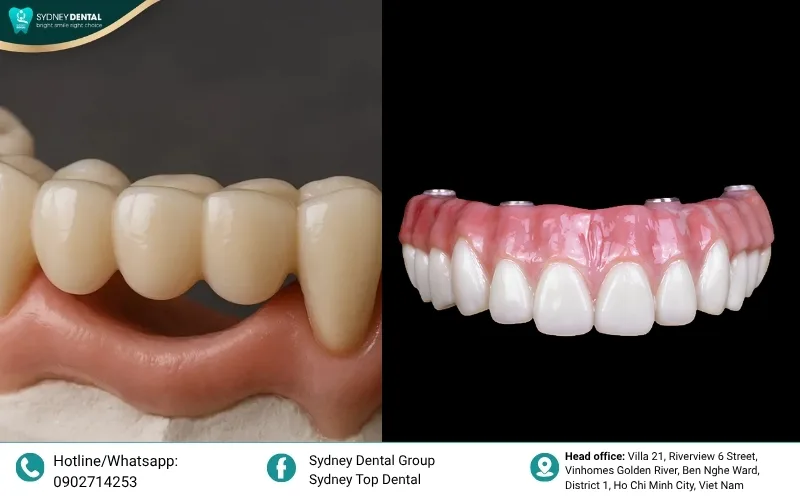
2.3. Complexity of the treatment
The health of the supporting abutment teeth and the surrounding gum tissue can alter the total treatment plan. If the anchor teeth require root canals or gum contouring before the bridge is placed, the total costs will increase. Ensuring a stable foundation is critical for the success of the restoration, even if it adds to the initial bill.
2.4. Technology and dentist’s expertise
Specialized dentists with advanced credentials in prosthodontics often charge higher fees for their precision and experience. Utilizing digital impressions and 3D printing technology also adds a premium to the service for better accuracy. Choosing a highly skilled clinician reduces the risk of complications and ensures a more comfortable fit for the patient.
Balancing quality and price is essential to ensure your dental restoration lasts for many years. Investing in the right factors now can prevent expensive repairs or replacements in the future.
3. Comparison of common dental bridge types
Different clinical situations require specific bridge designs to ensure the best functional and aesthetic outcome. Each type carries a different price point based on the preparation work and the volume of materials needed.
3.1. Traditional Bridge
This is the most common type where crowns are placed on two healthy teeth to support a floating tooth in the middle. It provides excellent stability and is widely used for both front and back tooth replacements. The procedure involves reshaping the anchor teeth to fit the crowns securely.
- Pros: Extremely durable and looks very natural.
- Cons: Requires the permanent removal of enamel from healthy anchor teeth.
- Target: Patients with healthy teeth on both sides of the gap.
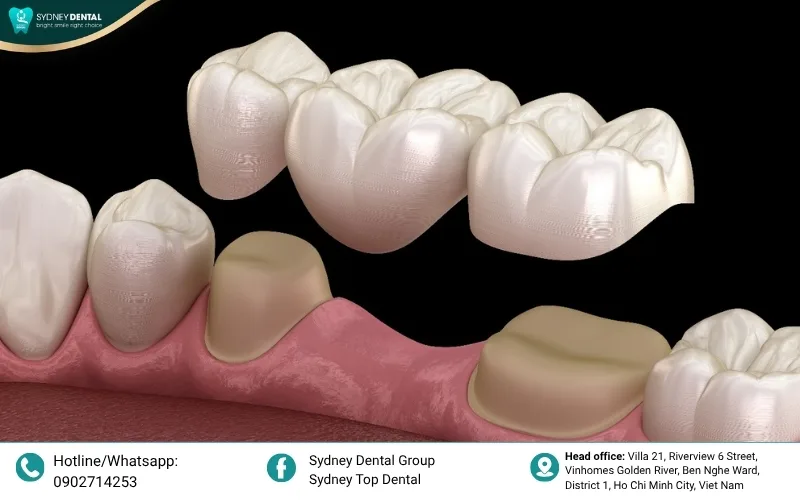
3.2. Maryland Bridge
A Maryland bridge uses a metal or porcelain framework bonded to the back of existing teeth instead of using full crowns. This conservative approach preserves more of your natural tooth structure during the bonding process. It is often a faster and more cost-effective alternative to traditional designs.
- Pros: Less invasive and usually more affordable than traditional bridges.
- Cons: Not as strong as other types and may become loose over time.
- Target: Best suited for replacing a single missing tooth in the front of the mouth.
3.3. Cantilever Bridge
This design is used when there is only one healthy anchor tooth available adjacent to the missing tooth gap. While less common today, it remains a viable solution for specific anatomical challenges in the mouth. The dentist must carefully balance the bridge to prevent damage to the single supporting tooth.
- Pros: Requires only one anchor tooth to be prepared for a crown.
- Cons: Can create excessive pressure on the anchor tooth, leading to potential failure.
- Target: Used primarily in areas with low chewing pressure or where no second anchor exists.
3.4. Implant-Supported Bridge
These bridges are anchored to titanium dental implants rather than natural teeth, offering the most stable foundation possible. This method prevents bone loss and does not require altering any surrounding healthy teeth. It is the most modern approach to restoring a large gap in the smile.
- Pros: Most durable option and can last a lifetime with proper care.
- Cons: The most expensive choice and requires a lengthy surgical recovery period.
- Target: Ideal for patients missing multiple teeth in a row who have sufficient bone density.
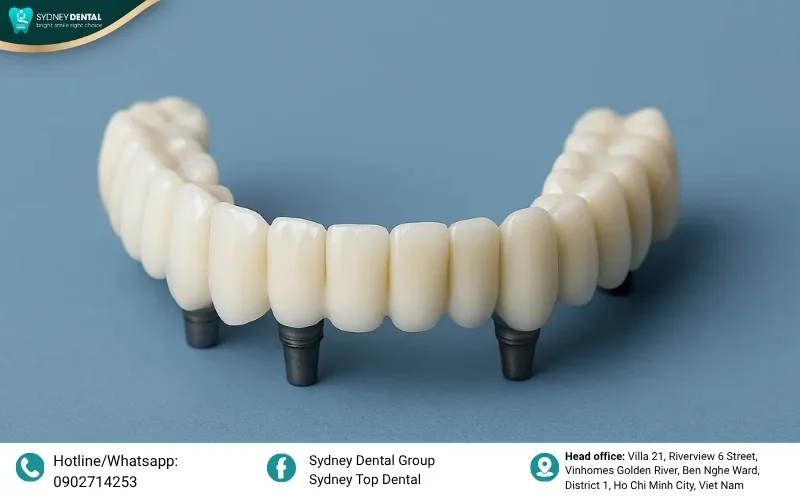
Choosing the right type depends on your specific oral health needs and your long-term financial goals. Consult with your dentist to determine which bridge configuration offers the best value for your situation.
4. Dental Bridge vs. Implant: Cost and Long-Term Value
| Feature | Dental Bridge | Dental Implant |
| Initial Cost | Moderate ($1,500 – $5,000) | High ($3,000 – $6,000 per tooth) |
| Durability | 5 to 15 years | 25 years to Lifetime |
| Maintenance | Replacement needed every decade | Minimal maintenance required |
| Bone Health | Potential bone resorption | Prevents bone loss |
While a bridge often has a lower upfront cost, choosing the cheapest option can lead to higher long-term expenses. Dental implants offer better protection against bone resorption, which maintains your facial structure and prevents future dental issues. Trusting high-quality materials and expert placement ensures a restoration that remains functional for decades rather than just a few years.
5. How to optimize dental bridge costs
There are several strategic ways to reduce the financial burden of dental restorations without compromising on quality. Planning ahead and exploring various payment options can make professional dental care much more accessible.
5.1. Leveraging Dental Insurance
Many dental insurance plans cover up to 50% of the cost for major restorative procedures like bridges. It is vital to check your policy’s annual maximum and waiting periods before starting the treatment. Strategic timing of your procedure across two calendar years can also help maximize your available insurance benefits.
5.2. Financing and Payment Plans
Specialized health credit cards like CareCredit allow patients to pay for their dental work through manageable monthly installments. Many clinics offer interest-free periods if the total balance is paid within a specific timeframe. This approach allows you to receive necessary treatment immediately while spreading the cost over several months.
5.3. Dental Tourism in Emerging Markets
Traveling to countries like Mexico, Thailand, or Vietnam can reduce your dental expenses by up to 80% compared to Western prices. These international clinics often employ world-class dentists and use the same high-quality materials found in the United States. However, you must factor in travel costs and ensure the facility meets international safety standards.
6. Our Sydney Dental Clinic
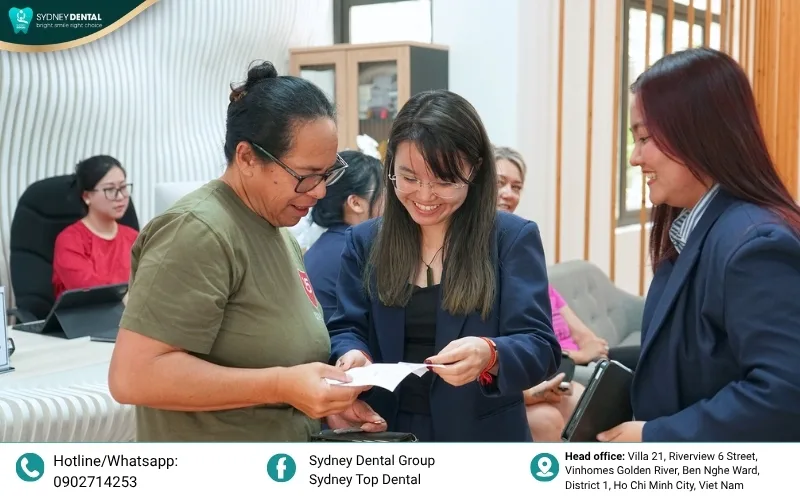
Sydney Top Dental was established by Dr. Hai to bring premium Australian medical standards to the heart of Vietnam. As the first and only ZAGA Center in the country, we operate a prestigious network of two clinics located in Ho Chi Minh City. Our mission is to provide world-class dental solutions to international patients while maintaining a highly competitive bridge for teeth cost.
We combine high-level clinical expertise with a luxurious environment to ensure every patient receives the best possible care during their journey. To support our global clientele, we offer a comprehensive suite of customized VIP services including visa assistance and private airport pickups. Every logistical detail is managed by our professional team so you can focus entirely on your healing and transformation.
6.1. Transparency in Bridge for Teeth Cost at Sydney Top Dental
At Sydney Top Dental, we believe that high-quality restorative dentistry should be accessible and transparent for every patient. We provide detailed quotes that clearly outline every aspect of your bridge for teeth cost without any hidden fees or unexpected charges. By leveraging the lower labor costs in Vietnam, we are able to pass significant savings directly to our international clients.
Our clinic focuses on providing premium dental bridges that meet Australian health standards at a fraction of the price found in Sydney or Melbourne. Most patients find that even after factoring in travel expenses, their total investment is substantially lower than receiving treatment in their home country. This financial advantage allows you to choose the highest-quality materials for your smile restoration.
6.2. Why Our Bridge for Teeth Cost Offers Superior Value
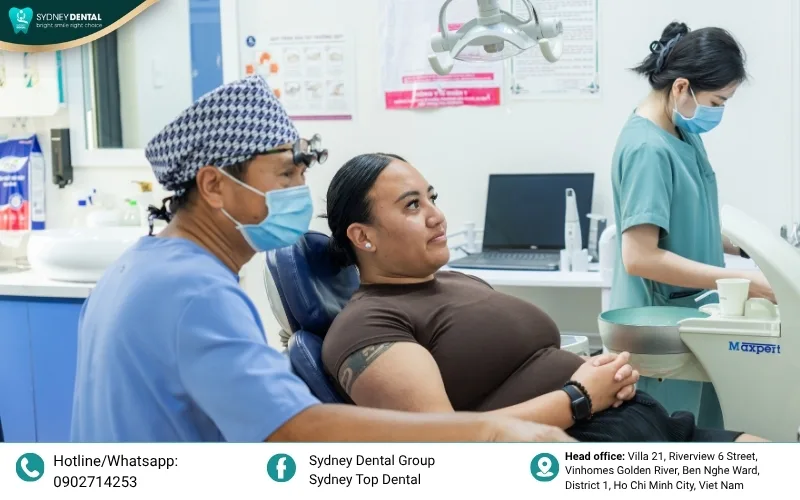
The value of your treatment goes beyond the initial price tag, as it includes the expertise of our world-renowned clinical team. Our facility is the only ZAGA Center in Vietnam, ensuring that your bridge for teeth cost covers treatment using the most advanced protocols available globally. We integrate luxury hospitality with surgical precision to provide a restorative experience that is both comfortable and highly effective.
Furthermore, our bridge for teeth cost includes access to cutting-edge technology such as 3D facial scanners and X-Guide dynamic navigation. These tools allow our doctors to design and place dental bridges with extreme accuracy, reducing the risk of future complications. Choosing our clinic means investing in a long-lasting smile that is backed by international certifications and elite medical training.
6.3. Comparing Global Bridge for Teeth Cost with Our Vietnam Clinic
When comparing the global bridge for teeth cost, patients often discover that dental services in Australia or the US can be prohibitively expensive. In contrast, our clinic in Ho Chi Minh City offers the same medical-grade materials and expertise for up to 80% less. This massive price difference enables patients to receive comprehensive full-mouth rehabilitations that they might otherwise delay due to budget constraints.
Our team exclusively utilizes world-renowned brands like Straumann and Ivoclar Vivadent to ensure that every bridge is durable and aesthetic. While the bridge for teeth cost is significantly reduced, we never compromise on the sterilization protocols or the quality of the ceramic compounds used. We invite you to experience Australian-standard dentistry in Vietnam, where elite care meets exceptional financial value.
Finding the right balance between cost and quality is the key to a successful dental bridge restoration in 2026. By understanding the factors that influence pricing and exploring financial assistance, you can achieve a beautiful smile within your budget. Always prioritize the expertise of your dental professional to ensure your investment provides lasting health and confidence.


Our Doctors
Get a Free Initial Consultation