
- 1. What is Dental Bone Loss? Why is it Called the "Silent Killer"?
- 2. Before and After Comparison: Visualizing Dental Bone Loss
- 3. Causes Leading to Severe Jawbone Resorption
- 4. Bone "Resurrection" Solutions: Before and After Medical Intervention
- 5. International Standard Bone Treatment Process
- 6. Crucial Tips to Prevent Early Bone Loss
Dental bone loss is a serious condition that gradually destroys the foundation of your smile and facial structure. Many patients fail to recognize the early warning signs until significant damage has already occurred to their jawbone. This article provides a comprehensive look at before-and-after results and the modern treatments available to restore your oral health.
1. What is Dental Bone Loss? Why is it Called the “Silent Killer”?
Dental bone loss, also known as jawbone resorption, occurs when the bone surrounding the teeth begins to shrink and disappear. This process typically happens when the alveolar bone no longer receives the necessary stimulation from tooth roots during chewing. Without this vital interaction, the body starts to reabsorb the bone minerals, leading to a thinner and weaker jaw structure.
The destruction often starts at the site of a missing tooth and can quickly spread to adjacent healthy areas. As the bone density decreases, the remaining teeth lose their stability and may begin to shift out of alignment. Over time, this degradation can compromise the entire integrity of the dental arch and lead to further tooth loss.
Doctors call this condition a “silent killer” because it progresses painlessly and invisibly beneath the gum line. Most individuals do not notice the reduction in bone volume until they experience loose teeth or visible changes in their facial shape. By the time symptoms become obvious, the patient has often lost a significant percentage of their natural bone mass.
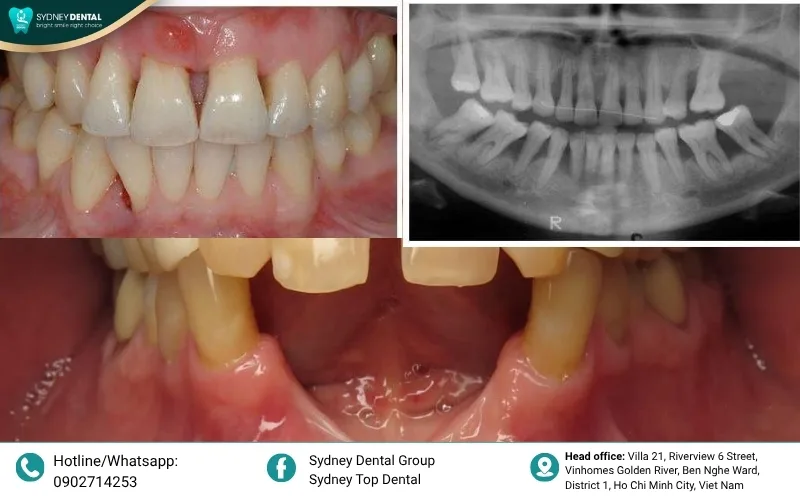
2. Before and After Comparison: Visualizing Dental Bone Loss
Comparing visual evidence allows patients to understand the dramatic impact that bone resorption has on both oral health and appearance. These transformations highlight the necessity of timely intervention to prevent permanent structural damage to the mouth.
2.1. Changes in Teeth and Gum Structure
Bone loss significantly alters the physical environment of the oral cavity, leading to several noticeable complications for the patient.
- Loose Teeth: When the supporting bone dissolves, the teeth lose the anchor that keeps them firmly in place within the jaw. You may notice your teeth shifting during meals or feeling unstable when you apply light pressure with your tongue. If left untreated, this lack of support eventually leads to the spontaneous loss of otherwise healthy teeth.
- Gum Recession: As the underlying bone disappears, the gum tissue naturally follows suit and begins to pull away from the tooth crown. This creates a “long tooth” appearance and makes the smile look aged and unhealthy to observers. The receding gums also create deep pockets where bacteria can hide, further accelerating the cycle of bone destruction.
- Exposed Roots: The loss of bone and gum coverage leaves the sensitive roots of the teeth vulnerable to the external environment. This exposure often results in sharp pain when consuming hot or cold foods and increases the risk of root decay. Without the protective layer of bone, the roots become easy targets for plaque buildup and infection.
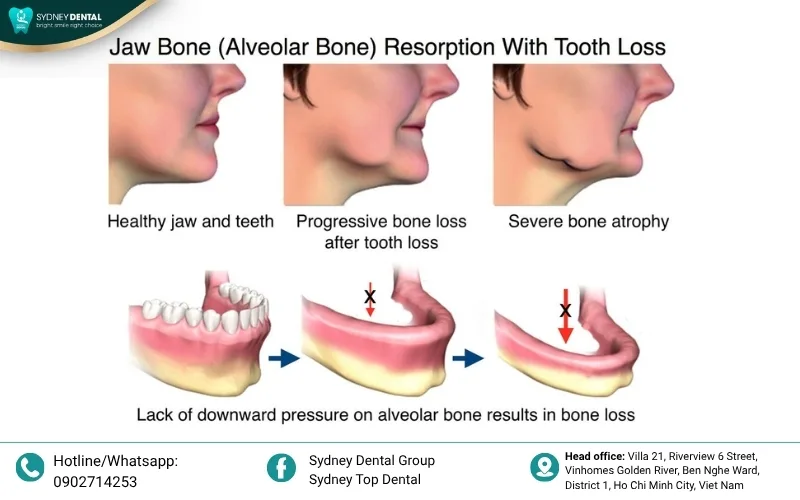
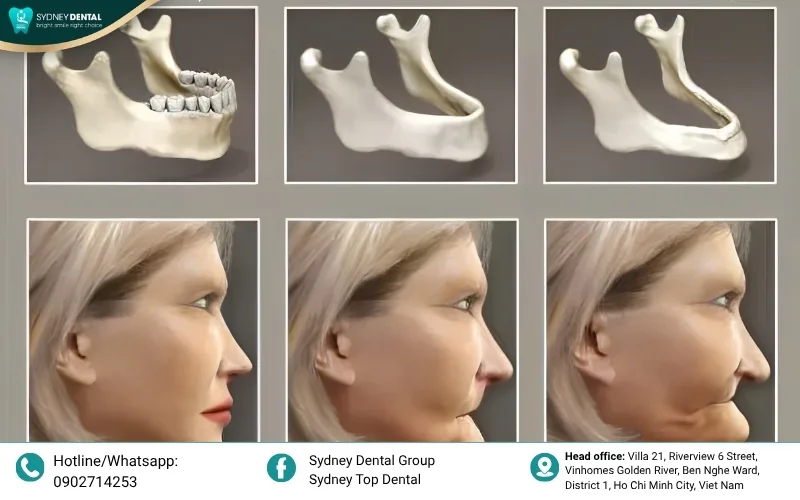
2.2. Changes in Facial Aesthetics
The jawbone serves as the primary scaffolding for the lower face, so its loss inevitably leads to visible aging.
- Wrinkled Skin: The reduction in bone volume means there is less internal support to keep the overlying skin taut and smooth. This lack of structural tension causes the skin to sag and develop deep wrinkles around the mouth and nose. Patients often appear much older than their actual age due to this premature loss of facial elasticity.
- Sunken Cheeks: When the jawbone resorbs, the cheeks lose their fullness and begin to cave inward toward the oral cavity. This hollowed-out appearance is a classic sign of long-term tooth loss and advanced stages of bone degradation. It creates a skeletal look that can negatively impact a person’s self-esteem and social confidence.
- Compressed Lips: A thinning jawbone causes the distance between the nose and the chin to decrease significantly over time. This structural collapse forces the lips to turn inward or appear much thinner than they were originally. The resulting “mummified” look is difficult to correct without first addressing the underlying bone deficiency.
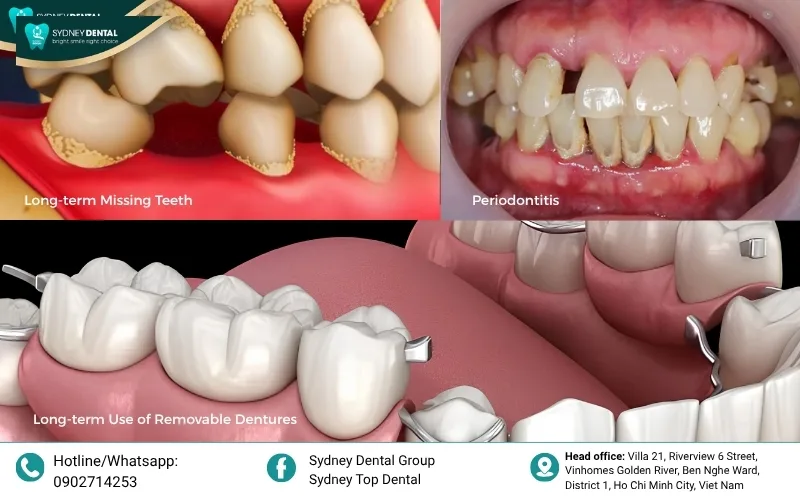
3. Causes Leading to Severe Jawbone Resorption
Understanding the primary triggers of bone loss is essential for choosing the most effective preventative and corrective strategies. Several factors contribute to this condition, ranging from lifestyle choices to the biological consequences of missing teeth.
- Long-term Missing Teeth: The most common cause of bone loss is the failure to replace a missing tooth immediately after extraction. Without a tooth root to transmit biting forces, the jawbone stops receiving the signals it needs to stay healthy. The body then begins to recycle the unused bone tissue, causing the area to shrink rapidly within the first year.
- Periodontitis (Gum Disease): Chronic inflammation caused by bacteria in the gums can lead to the irreversible destruction of the alveolar bone. These pathogens release toxins that trigger the body’s immune system to break down the connective tissues and bone. If the infection is not managed by a professional, it will eventually dissolve the entire support system of the teeth.
- Long-term Use of Removable Dentures: While dentures provide a temporary aesthetic fix, they do not provide the necessary stimulation to the underlying jawbone. In fact, the constant pressure and friction from the denture base can actually accelerate the rate of bone resorption. Over the years, the jawbone becomes so thin that the dentures no longer fit properly or stay in place.
4. Bone “Resurrection” Solutions: Before and After Medical Intervention
Modern dentistry offers several advanced procedures to restore lost bone and provide a stable foundation for permanent tooth replacement. These treatments aim to reverse the effects of resorption and improve both the function and beauty of the smile.
4.1. Bone Grafting
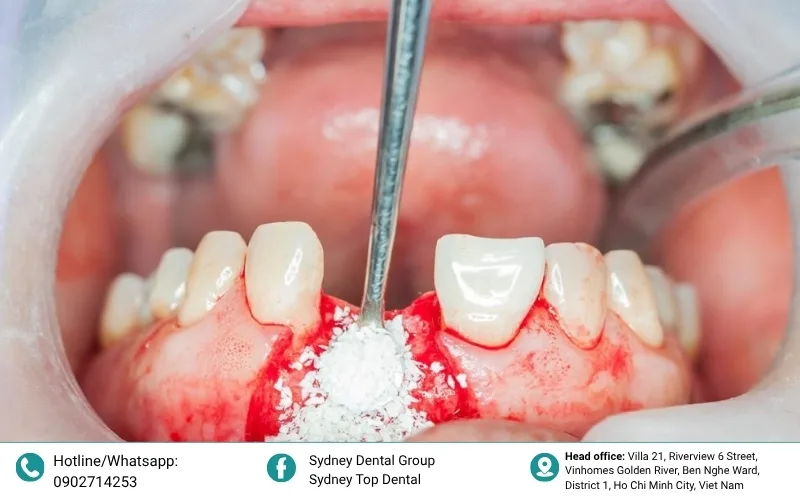
Bone grafting is a surgical procedure that uses specialized materials to encourage the body to rebuild missing jawbone volume. The dentist places the graft material into the area of deficiency to act as a scaffold for new bone growth. This process is essential for patients who wish to receive dental implants but lack sufficient natural bone.
- Pros: Increases bone volume and stabilizes the jaw for future implants.
- Cons: Requires several months of healing time before the next step.
- Target: Patients with minor to moderate bone loss who want permanent teeth.
4.2. Sinus Lift
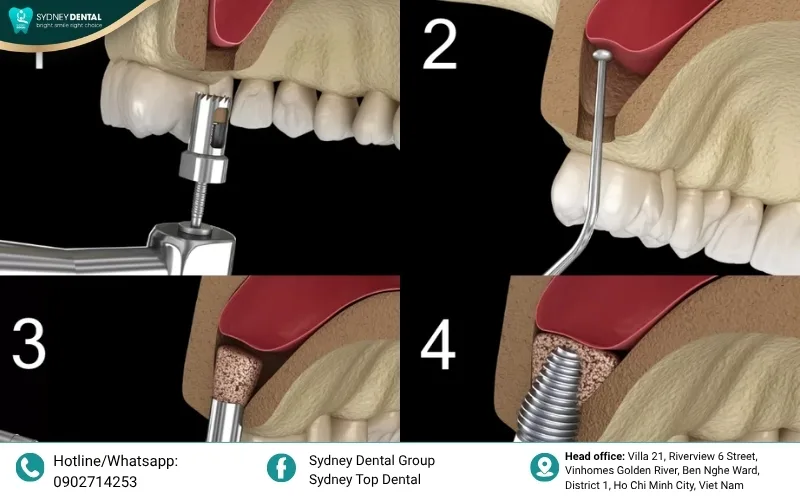
A sinus lift is a specific type of bone graft performed on the upper jaw to increase the height of the bone near the molars. The surgeon carefully lifts the sinus membrane to create space for the grafting material to be inserted. This procedure ensures that there is enough vertical bone to support the length of a dental implant without penetrating the sinus cavity.
The success of a sinus lift allows patients who have experienced significant bone loss in the upper posterior region to regain full chewing function. By thickening the floor of the maxillary sinus, the dentist creates a secure environment for long-term dental restoration. This technique has become a standard requirement for many complex upper-jaw rehabilitation cases.
- Pros: Enables successful implant placement in the upper jaw and prevents sinus complications.
- Cons: Involves a complex surgical process and a lengthy recovery period.
- Target: Patients with thin upper jawbone due to tooth loss or sinus expansion.
4.3. Dental Implants
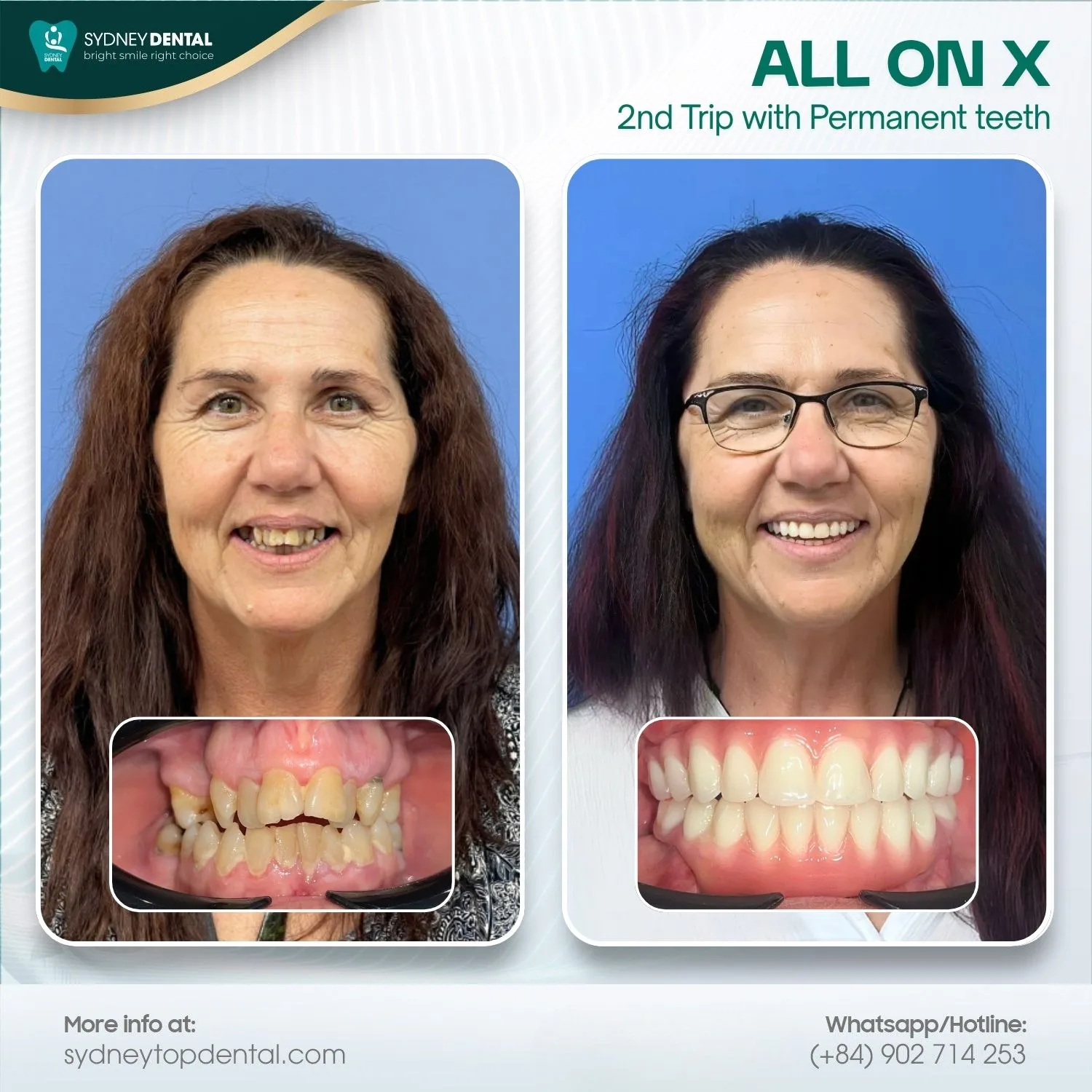
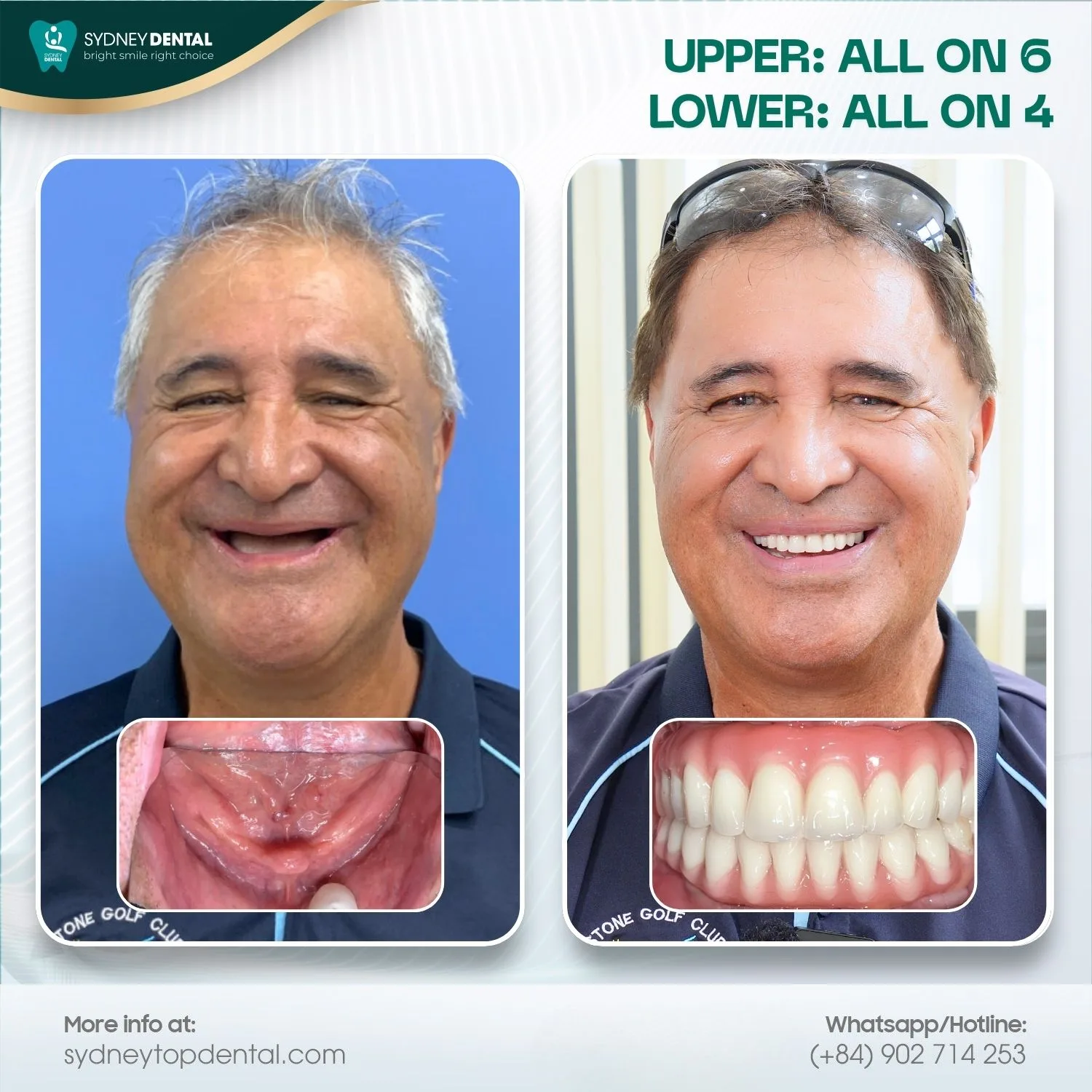
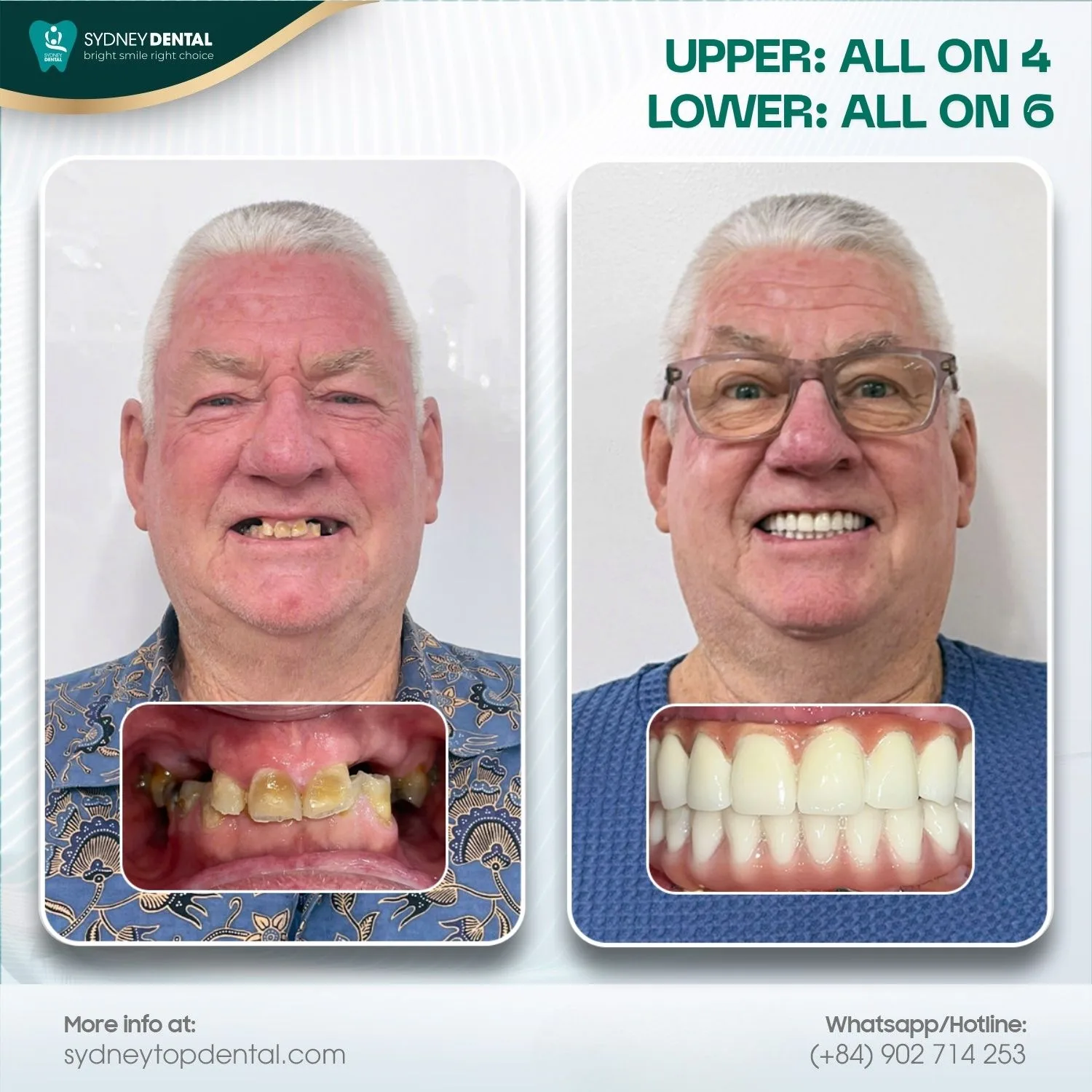
Dental implants are the only permanent solution that effectively stops and prevents further bone loss by mimicking natural tooth roots. The titanium post integrates directly with the jawbone through a biological process called osseointegration, providing constant stimulation. This interaction signals the body to maintain bone density and prevents the characteristic “sunken” look associated with tooth loss.
Once the implant is fully integrated, it acts as a rock-solid anchor for a custom-made crown, bridge, or full-arch prosthesis. Patients who choose implants after bone grafting often experience a complete restoration of their facial structure and biting strength. This treatment is widely considered the gold standard in modern restorative dentistry for its durability and health benefits.
- Pros: Stops bone resorption permanently and provides a natural look and feel.
- Cons: Requires a higher initial financial investment compared to other options.
- Target: Anyone missing one or more teeth who desires a long-term health solution.
 |  |
 |  |
4.4. Zygomatic Implants
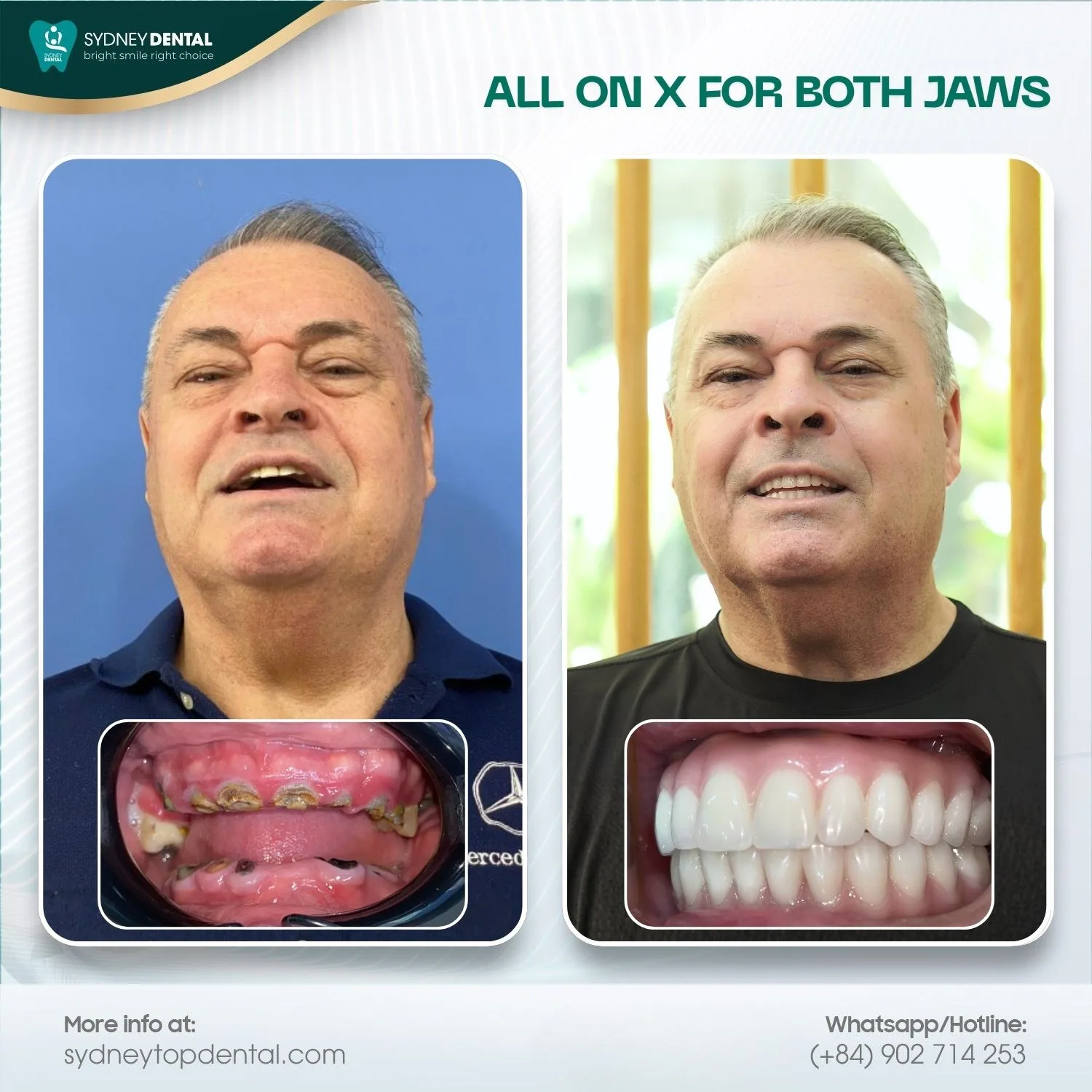
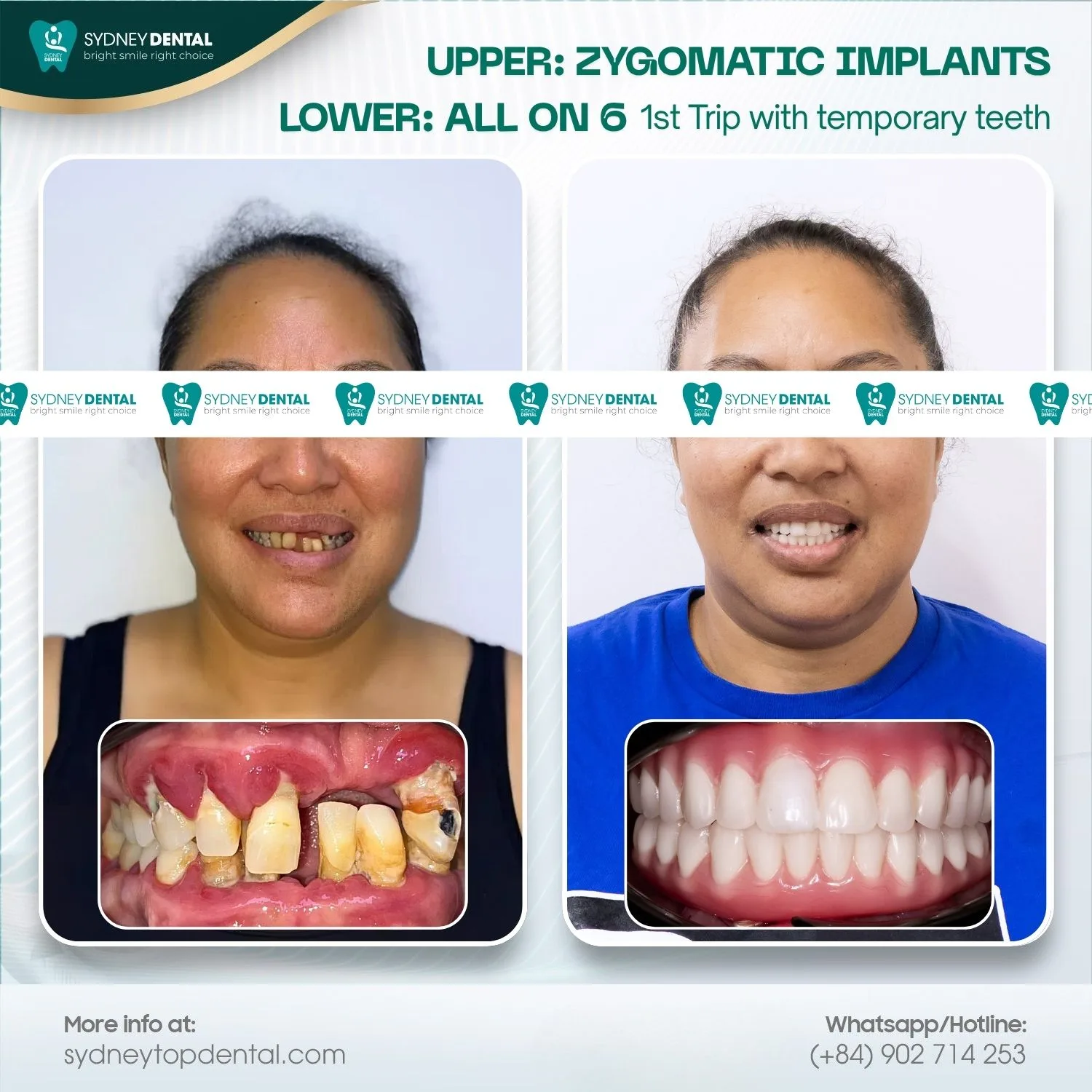
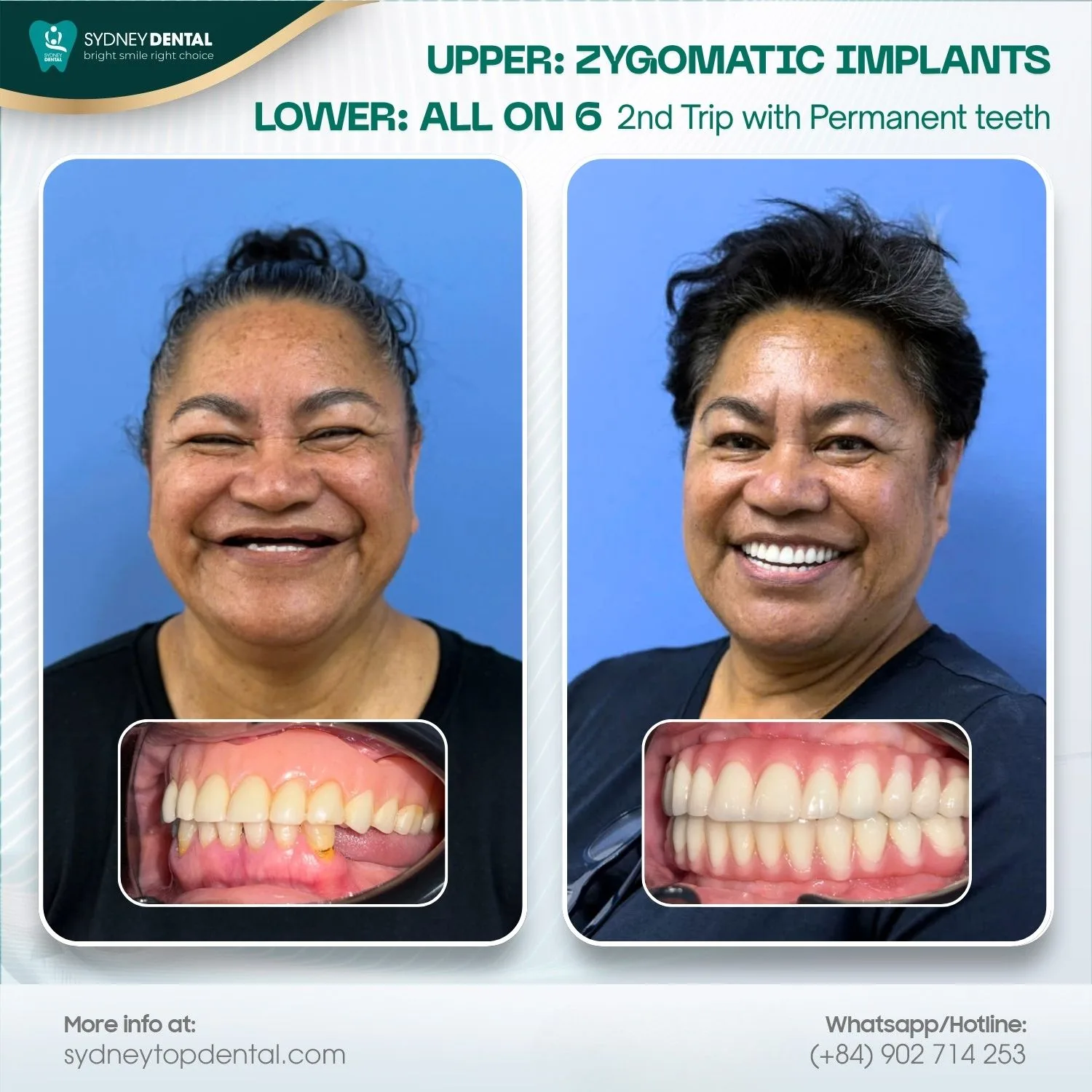
Zygomatic implants are an advanced alternative for patients who have suffered extreme bone loss in the upper jaw and cannot undergo traditional grafting. These extra-long implants are anchored into the zygomatic bone, commonly known as the cheekbone, rather than the jawbone. This approach bypasses the areas of severe resorption to provide a stable foundation for a full set of upper teeth.
Lean more: What is a Zygomatic Implant?
This procedure is often a life-changing option for those who were previously told they were not candidates for dental implants. It eliminates the need for extensive bone grafting and significantly reduces the total treatment time for full-mouth rehabilitation. Patients can often receive a fixed temporary bridge on the same day as the surgery, restoring their smile immediately.
- Pros: Provides a reliable solution for extreme bone loss without the need for grafting.
- Cons: Requires a highly skilled specialist and advanced surgical equipment.
- Target: Patients with severe maxillary atrophy who cannot support traditional implants.
 |  |
 |  |
Learn more: ZAGA Center Vietnam: The Golden Solution for Severe Bone Loss
5. International Standard Bone Treatment Process
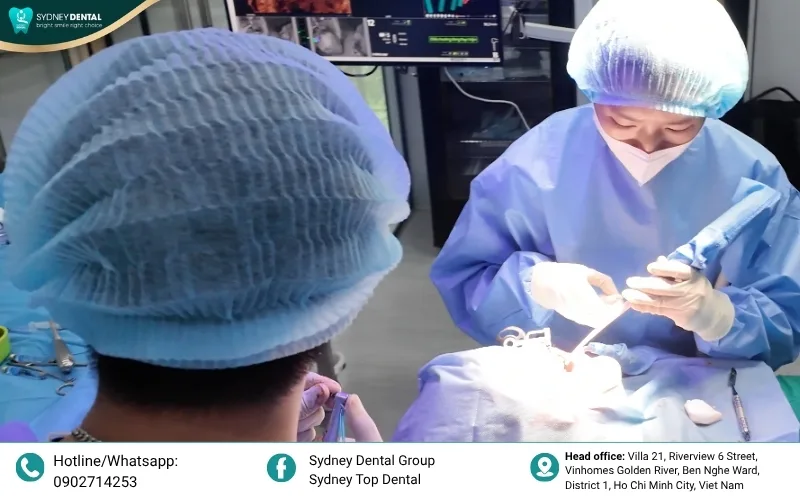
Every successful treatment begins with a comprehensive digital scan to assess the precise 3D structure and density of the jawbone. This high-resolution imaging allows the surgeon to identify the exact areas of bone loss and plan the placement of grafts or implants. Based on the digital scans, the dental team develops a customized roadmap that addresses the unique anatomical needs of the patient. This plan outlines the specific grafting techniques and implant types required to achieve the best functional and aesthetic results.
6. Crucial Tips to Prevent Early Bone Loss
Maintaining a rigorous hygiene routine including brushing, flossing, and using antibacterial mouthwash is the first line of defense against bone-destroying infections. Removing plaque and tartar regularly prevents the onset of periodontitis, which is a leading driver of jawbone resorption. Routine visits to the dentist allow for the early detection of silent bone loss through professional cleanings and periodontal screenings. Addressing gum inflammation in its earliest stages can save the underlying bone from irreversible damage and keep your smile intact.
Understanding the causes and consequences of dental bone loss is the first step toward preserving your long-term oral health and facial appearance. Modern dental technology now offers a variety of effective solutions to rebuild lost bone and restore your smile’s original strength. If you suspect you are experiencing bone resorption, consult with a qualified specialist today to explore your options for a healthier future.
Sydney Top Dental
📍 Address: No. 21, Riverview 6 Street, Vinhomes Golden River Villas, Ben Nghe Ward, District 1, Ho Chi Minh City
📞 Hotline: 090 271 42 53
🌐 Facebook: Sydney Top Dental


Our Doctors
Get a Free Initial Consultation