
Dental bone loss is a serious condition where the jawbone begins to deteriorate and lose its density over time. This process is often called a “silent threat” because it occurs gradually without causing immediate pain or noticeable discomfort. If left unaddressed, this progressive erosion can eventually lead to significant facial structure changes and the loss of healthy teeth.
1. Why Does the Jawbone Recede? Leading Causes
Understanding the underlying causes of jawbone resorption is the first step toward effective prevention and treatment. Several biological factors and lifestyle choices contribute to the gradual destruction of the alveolar bone.
1.1. Periodontitis: The Number One Bone Destroyer
Chronic periodontitis is a severe gum infection that triggers an inflammatory response, leading to the destruction of supporting tissues. The bacteria in dental plaque release toxins that cause the body’s immune system to break down the bone holding the teeth in place. Common characteristics include deep periodontal pockets and a significant reduction in the height of the alveolar ridge.
Patients should look for specific signs such as persistent bad breath, bleeding gums, and a noticeable receding gum line.
- Mechanism: Bacterial toxins trigger chronic inflammation that dissolves the bone structure.
- Characteristics: This condition is progressive and often painless in the early stages of infection.
- Signs: Red, swollen gums that bleed easily and the appearance of “black triangles” between teeth.

1.2. Prolonged Tooth Loss and Lack of Chewing Stimulus
The jawbone requires constant stimulation from chewing forces to maintain its density and overall structural volume. When a tooth is missing, the surrounding bone no longer receives these vital signals and begins to resorb naturally. This biological process can result in a significant loss of bone width and height within the first year.
The body eventually reabsorbs the unused bone minerals, distributing them to other skeletal areas where they are more needed.
- Mechanism: The absence of tooth roots stops the mechanical stimulation required for bone cell regeneration.
- Characteristics: Bone resorption happens most rapidly in the months immediately following an extraction.
- Signs: Visible thinning of the gum ridge and a sunken appearance in the extraction area.
1.3. The Connection Between Osteoporosis and Dental Bone
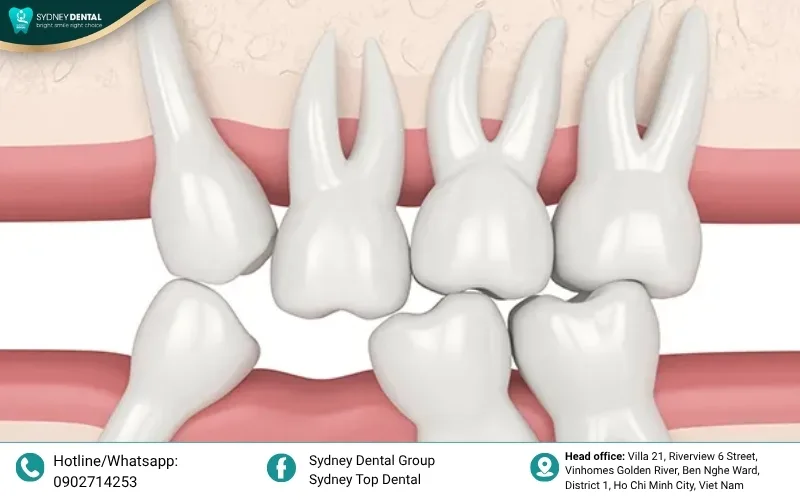
Osteoporosis is a systemic condition that reduces the density of all bones in the body, including the jawbone. Research indicates that individuals with low bone mineral density are more susceptible to severe periodontal bone loss. This systemic weakness makes the jaw more vulnerable to bacterial attacks and mechanical stress from daily activities.
It is essential for patients with bone density issues to coordinate care between their physician and dentist.
- Mechanism: Low calcium levels and systemic thinning weaken the structural integrity of the mandible.
- Characteristics: This condition affects the entire skeletal system rather than being localized to the mouth.
- Signs: Frequent fractures elsewhere in the body and a rapid decline in jawbone height on X-rays.
1.4. Impact of Low-Quality Removable Dentures
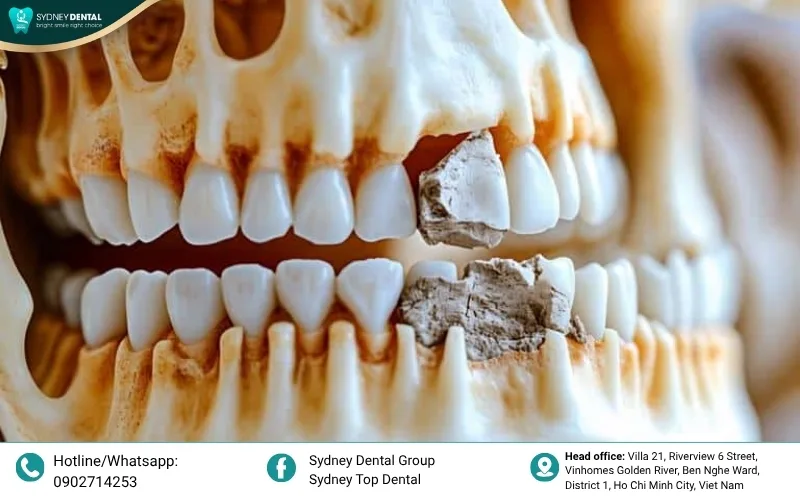
Traditional removable dentures sit on top of the gums and do not provide the necessary stimulation to the underlying bone. In fact, the constant pressure and friction from an ill-fitting denture can actually accelerate the rate of bone resorption. Over time, the bone wears down, causing the denture to become loose and uncomfortable for the wearer.
Many patients find they need frequent adjustments as their jawbone continues to shrink beneath the prosthetic.
- Mechanism: Excessive pressure on the gum tissue disrupts blood flow and accelerates the breakdown of bone.
- Characteristics: This issue is most common among long-term denture users who lack permanent dental implants.
- Signs: Dentures that slip while talking, difficulty chewing, and increased soreness on the gum ridge.
Identifying these causes early allows for more conservative treatment options and better long-term outcomes. Whether the issue is bacterial or mechanical, addressing the root cause is vital for maintaining oral health. Consulting a specialist can help determine the exact reason for bone loss in your specific case.
2. Earliest Signs of Dental Bone Loss
Recognizing the early warning signs of bone deterioration is crucial for preventing irreversible damage to your facial structure. Many symptoms are subtle at first but become more obvious as the condition progresses into advanced stages.
2.1. Receding Gums and Teeth Appearing Longer
As the underlying bone dissolves, the gum tissue follows suit and begins to pull away from the tooth crowns. This process exposes the sensitive root surfaces, making the teeth appear significantly longer and more tapered. Patients often notice this change when looking in the mirror or during their daily brushing routine.
This recession not only affects aesthetics but also increases the risk of root cavities and sensitivity.
- Sign 1: The gum line moves toward the root, exposing the yellow-colored cementum of the tooth.
- Sign 2: Teeth look “long” and the smile line appears uneven compared to previous years.
- Sign 3: Increased sensitivity to hot or cold temperatures due to exposed nerves at the root.
2.2. Loose Teeth or Changes in Bite Position
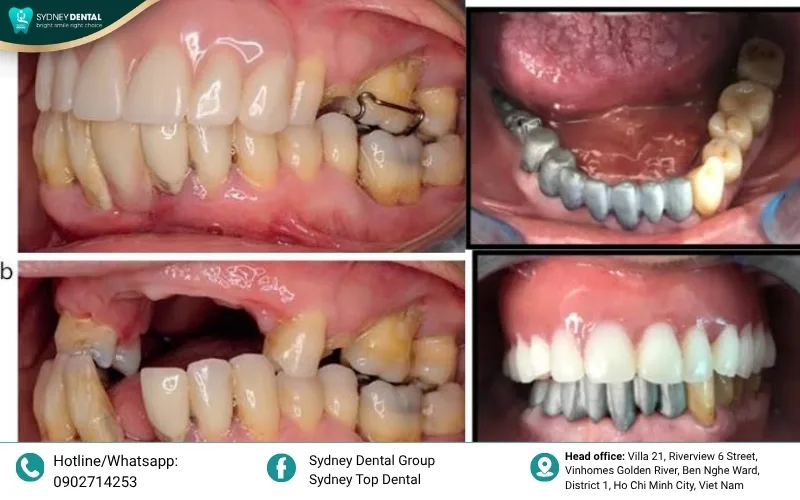
Bone loss reduces the support system for your teeth, which can cause them to become unstable or shift. You might notice that your upper and lower teeth no longer fit together correctly when you close your mouth. This misalignment, known as a malocclusion, can lead to uneven wear and further dental complications over time.
Even slight mobility should be addressed immediately to prevent the complete loss of the affected teeth.
- Sign 1: A feeling of “wiggle” or movement when touching a tooth with the tongue or finger.
- Sign 2: Difficulty biting into hard foods as the teeth feel less secure in the jaw.
- Sign 3: Sudden gaps appearing between teeth that were previously straight and tightly packed together.

2.3. Changes in Facial Structure (Sunken Cheeks)
The jawbone provides the essential internal framework that supports your facial muscles and skin. When significant bone loss occurs, this support disappears, leading to a sunken appearance in the cheeks and mouth area. This structural collapse often makes an individual look much older than their actual biological age.
These cosmetic changes are often the most distressing symptoms for patients experiencing advanced bone resorption.
- Sign 1: The distance between the nose and the chin decreases, creating a “collapsed” facial profile.
- Sign 2: Deep wrinkles and lines begin to form around the lips as skin loses its tension.
- Sign 3: The cheeks appear hollow, similar to the appearance of someone without any teeth.

Monitoring these physical changes allows you to seek professional intervention before the damage becomes too severe. Modern diagnostic tools like 3D CT scans can confirm the extent of bone loss with high precision. Taking action at the first sign of recession is the best way to preserve your natural smile.
3. Serious Consequences if Not Treated Timely
Ignoring bone loss leads to a cascade of health problems that extend far beyond simple aesthetic concerns. The long-term effects can drastically reduce your quality of life and overall systemic well-being.
Chain Reaction of Tooth Loss
When one tooth is lost and the bone recedes, the neighboring teeth lose their lateral support and begin to tilt. This instability eventually causes a chain reaction, leading to the loss of adjacent healthy teeth over time.
Impaired Chewing and Digestive Functions
Weakened bone structure makes it difficult to chew tough or fibrous foods, which limits your nutritional intake significantly. Poorly chewed food can lead to digestive issues, as the stomach must work harder to process large particles.
Severe Psychological and Aesthetic Impact
Significant changes in facial appearance often lead to a loss of self-confidence and a reluctance to smile or speak in public. This psychological burden can cause social withdrawal and a decrease in an individual’s overall mental health.
These complications prove that bone loss is a systemic issue requiring immediate and professional dental care. Early intervention can prevent this downward spiral and save your remaining natural teeth from further harm. Investing in treatment now will save you from more complex and expensive procedures in the future.
4. Modern Solutions to Overcome and Prevent Bone Loss
Fortunately, modern dentistry offers several innovative techniques to restore lost bone and prevent further deterioration. These procedures aim to rebuild the jaw’s foundation and provide long-lasting stability for dental restorations.
4.1. Jawbone Grafting: Rebuilding a Strong Foundation
Bone grafting involves placing specialized bone material into the areas where the jaw has thinned or receded. This material acts as a scaffold, encouraging your body to grow new, healthy bone cells in that specific location. It is an essential preparatory step for many patients who wish to receive dental implants.
This procedure can be performed using your own bone, synthetic materials, or donor tissue.
- Pros/Cons: Highly effective for restoration but requires a healing period of several months.
- Target: Patients with bone atrophy who are planning for future implant placement.
- Price: Typically ranges from $500 to $2,500 per site depending on the material used.

4.2. Dental Implants: Stopping Bone Loss Effectively
Dental implants are titanium posts that act as artificial tooth roots, providing direct stimulation to the jawbone. Unlike other options, they integrate with the bone through osseointegration, which halts the resorption process completely. This makes them the “gold standard” for functional tooth replacement and long-term bone preservation.
By mimicking the natural root, implants ensure that the bone remains dense and strong for decades.
- Pros/Cons: Offers permanent results and stops bone loss, but involves surgery and higher initial cost.
- Target: Individuals missing teeth who want a permanent, natural-looking solution.
- Price: A single implant typically costs between $1,500 and $4,000 depending on the brand.
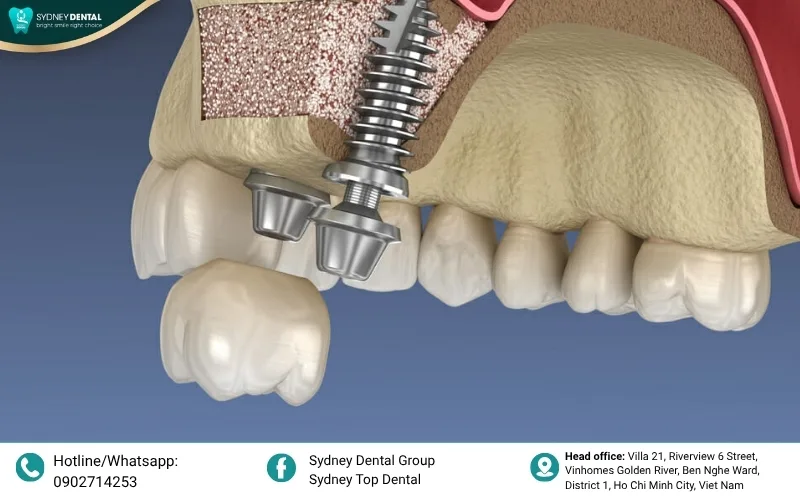
 4.3. Sinus Lift for Upper Jaw Bone Loss
 4.3. Sinus Lift for Upper Jaw Bone Loss
A sinus lift is a specialized grafting procedure used when there is insufficient bone height in the upper back jaw. The surgeon carefully lifts the sinus membrane to make room for additional bone material to be placed underneath. This creates the necessary depth for the secure placement of dental implants in the molar regions.
This technique has a high success rate and allows patients with severe upper bone loss to enjoy permanent teeth.
- Pros/Cons: Enables implants in difficult areas but may involve temporary post-operative swelling.
- Target: Patients whose sinus cavities are too close to the jaw for safe implant installation.
- Price: Usually costs between $1,500 and $3,500 depending on the extent of the lift.
4.4. Zygomatic Implants: Solutions for Severe Bone Loss
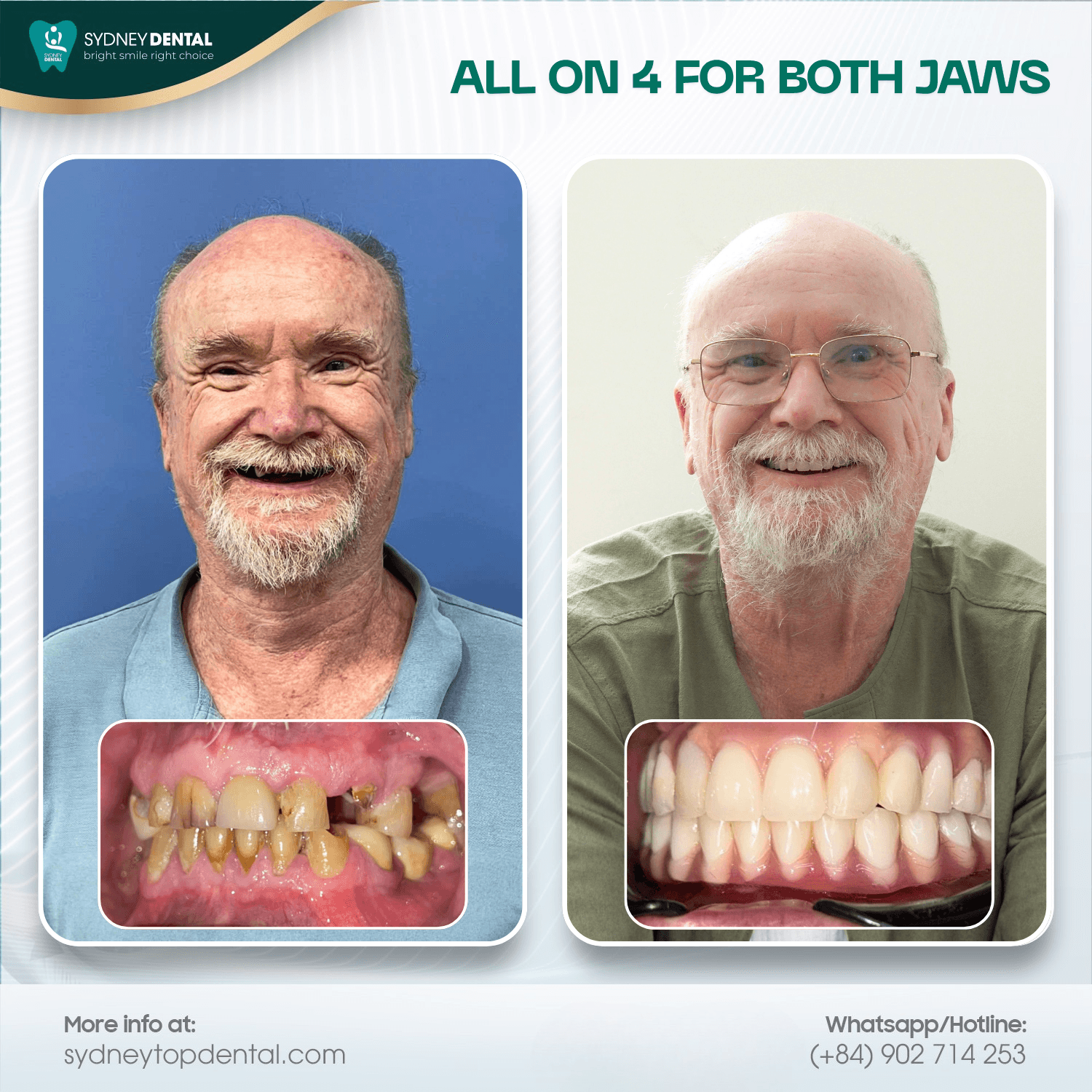
Zygomatic implants are extra-long fixtures designed for patients who have suffered extreme bone loss in the upper jaw. Instead of anchoring into the jawbone, these implants are secured into the sturdy cheekbone, known as the zygoma. This advanced technique eliminates the need for extensive bone grafting or sinus lifts in complex cases.
Learn more: Zygomatic Implant Vietnam: The “Gold” Solution for Severe Bone Loss
This solution provides immediate stability and allows for the attachment of a full set of teeth quickly.
- Pros/Cons: Provides a solution when traditional implants fail, though it requires a highly skilled surgeon.
- Target: Patients with “terminal” bone loss who are not candidates for regular implants.
- Price: This is a complex surgery, with costs often ranging from $30,000 to $50,000 for a full arch.

5. How to Prevent Dental Bone Loss at Home
Maintaining a diet rich in essential minerals is the cornerstone of preserving your skeletal and dental health. Calcium and Vitamin D are critical for bone density, while Vitamin K2 helps direct those minerals specifically into your bone tissues. Consuming dairy, leafy greens, and fatty fish can provide the nutrients needed to keep your jaw strong.
Proper oral hygiene prevents the inflammatory diseases that are the primary cause of bone destruction. Brushing twice daily and flossing every night removes the plaque and bacteria that trigger periodontal infections. Using an antibacterial mouthwash can also help reach the tight spaces where bone loss often begins unnoticed.
Regular dental checkups allow your dentist to monitor your bone levels through clinical exams and digital imaging. Early detection of gum disease or minor recession can lead to simple treatments that save your bone structure. Professional cleanings are also necessary to remove hardened tartar that cannot be cleared by at-home brushing alone.
Dental experts emphasize that you should never wait until your teeth are loose to seek professional help. Early intervention is the most effective way to prevent the “silent threat” of bone loss from ruining your smile. Take action today at the first sign of discomfort to ensure your oral health remains secure for a lifetime.
Sydney Top Dental
📍 Address: No. 21, Riverview 6 Street, Vinhomes Golden River Villas, Ben Nghe Ward, District 1, Ho Chi Minh City
📞 Hotline: 090 271 42 53
🌐 Facebook: Sydney Top Dental


Our Doctors
Get a Free Initial Consultation