
Your jawbone and gums act as the essential foundation that keeps your teeth stable and functional. When gum disease strikes, it quietly erodes these supporting structures and compromises your entire oral health. Understanding the intimate link between infected tissues and bone degradation is the first step toward saving your smile.
1. Mechanism: Why Does Gum Disease Cause Bone Loss?
Periodontal disease is not just a surface-level infection; it is a destructive process that reaches deep into the jaw. Several biological factors work together to break down the hard tissues that hold your teeth in place.
1.1. Bacterial Attack and Plaque Formation
Dental plaque is a sticky biofilm that constantly forms on your teeth and harbors billions of harmful bacteria. If you do not remove this film through proper hygiene, it hardens into tartar and irritates the gum line. These bacteria release aggressive toxins that trigger a persistent infection within the delicate soft tissues.
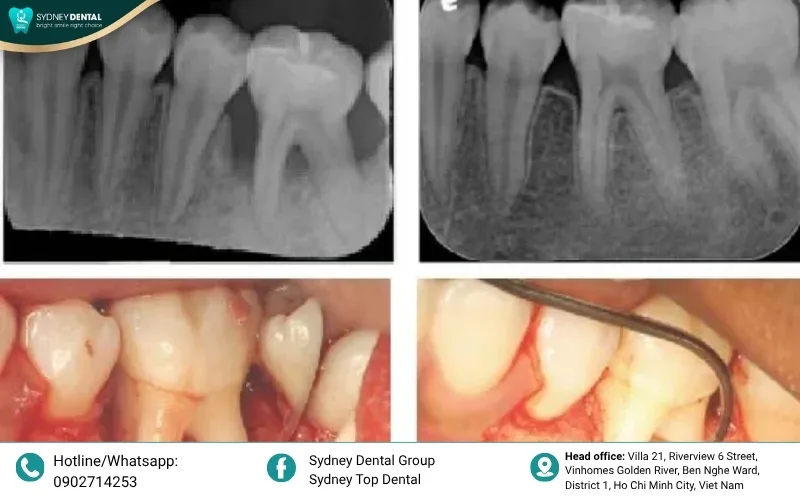
As the infection progresses, the bacteria migrate deeper toward the tooth roots and the alveolar bone. The toxic byproducts produced by these microorganisms directly damage the collagen fibers that anchor your teeth. Without professional intervention, this bacterial colony continues to expand and destroy the structural integrity of your mouth.
1.2. The Body’s Natural Inflammatory Response
When your immune system detects a bacterial invasion, it launches a massive inflammatory response to protect your vital organs. White blood cells rush to the infected gums and release specialized enzymes designed to neutralize the pathogens. However, this chronic state of inflammation often leads to unintended damage to your healthy local tissues.
In a desperate attempt to isolate the infection, the body begins to resorb or dissolve its own bone material. This biological defense mechanism prioritizes systemic safety over the preservation of the local jawbone structure. Unfortunately, this process creates a permanent loss of bone density that cannot regenerate on its own.
The chronic presence of inflammatory markers like cytokines further accelerates the rate of bone tissue breakdown. Research indicates that this overactive immune response is actually the primary driver of bone destruction in periodontal patients. Managing this inflammation is crucial to stopping the progressive loss of the alveolar bone support.
1.3. The Formation of Periodontal Pockets
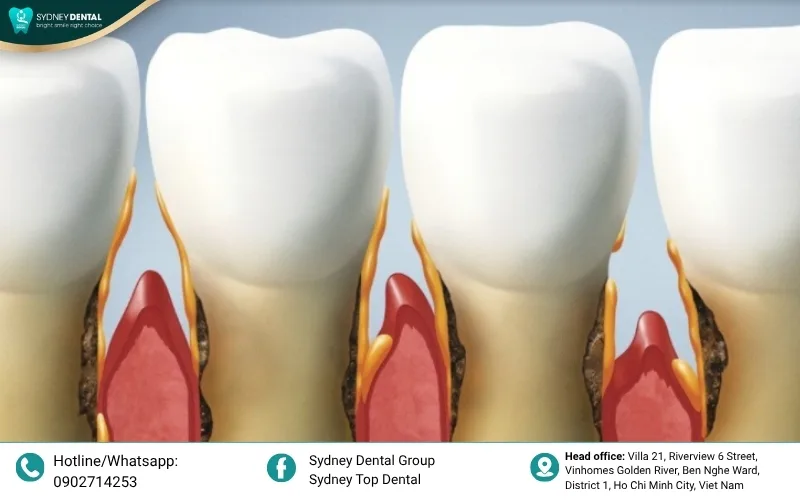
Healthy gums fit snugly around each tooth, but infection causes the tissue to pull away and form deep gaps. These spaces, known as periodontal pockets, become dangerous reservoirs for anaerobic bacteria that thrive without oxygen. Once these pockets reach a certain depth, they are impossible to clean using standard home care tools.
As these pockets deepen, they provide a direct pathway for bacteria to reach the underlying jawbone. The constant presence of pathogens in these gaps ensures that the bone-dissolving process remains active. Closing these pockets is a fundamental goal of any successful periodontal treatment plan to prevent further decay.
2. Identifying the Signs of Jawbone Loss
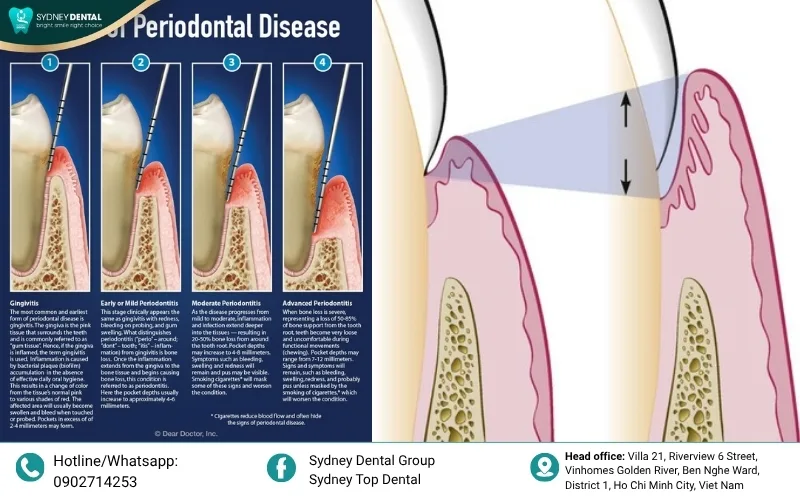
Bone loss often occurs without significant pain, making it difficult for many patients to notice until the damage is severe. However, there are several key indicators that suggest your oral foundation is currently under threat.
- Receding gums: You may notice that your teeth appear significantly longer than they used to because the gum line is pulling back. This recession happens because the bone underneath is shrinking and can no longer support the overlying soft tissue. Observing more of the tooth root exposed is a clear signal that the underlying structure is deteriorating.
- Loose teeth: When the jawbone loses its density, it can no longer provide a firm anchor for the roots of your teeth. You might feel your teeth shifting slightly when you chew or notice a change in how your upper and lower teeth fit together. This mobility is a serious warning sign that the tooth is at immediate risk of falling out.
- Persistent bad breath: Chronic halitosis that does not improve after brushing is often a sign of deep-seated infection within the bone. The bacteria hiding in periodontal pockets produce foul-smelling sulfur compounds that permeate your breath constantly. This odor originates from the necrotic tissues and bacterial colonies that are actively destroying your bone.
- X-ray evidence: Dental radiographs are the most reliable tool for accurately diagnosing the extent of bone loss below the surface. These images allow dentists to see the exact height and density of the alveolar bone surrounding every tooth. If the X-ray shows a dark space or a lowered bone level, professional restorative treatment is required.
Recognizing these symptoms early can be the difference between saving your natural teeth and requiring extensive surgery. Do not ignore minor changes in your gum health, as they often mask more significant problems occurring deep within the jaw. Early detection allows for less invasive treatments that can effectively halt the progression of the disease.
3. Serious Consequences of Untreated Bone Loss
Neglecting the health of your jawbone can lead to a domino effect of physical and aesthetic complications. The damage extends far beyond your mouth and can significantly impact your overall quality of life.
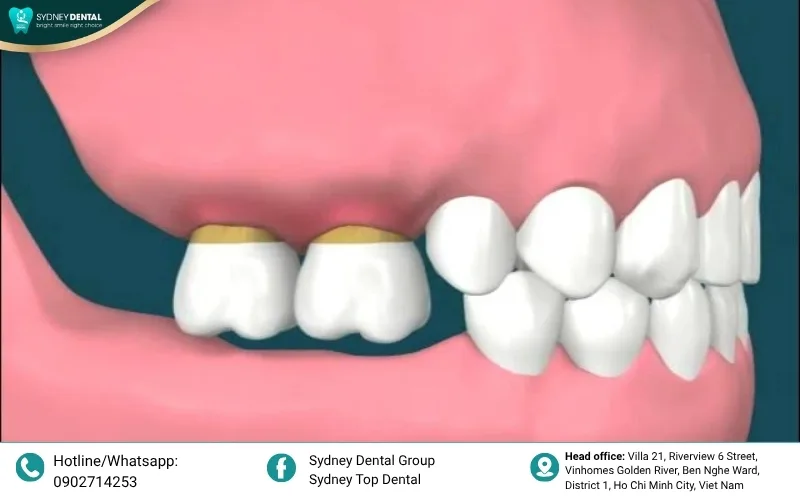
- Permanent tooth loss: The ultimate consequence of severe bone resorption is the loss of one or more natural teeth. Without a solid bone foundation, the teeth eventually lose all support and must be extracted by a professional. This loss affects your ability to eat, speak, and maintain the natural alignment of your remaining teeth.
- Systemic health impact: Research has established a strong link between chronic periodontal inflammation and serious conditions like heart disease and diabetes. Bacteria from the infected jawbone can enter the bloodstream and trigger inflammatory responses in other parts of the body. Maintaining healthy bone and gum tissue is therefore essential for protecting your long-term systemic wellness.
- Restoration difficulties: Patients with significant bone loss often find that they are no longer candidates for standard dental implants. Implants require a specific volume of healthy bone to bond correctly and provide a stable base for a prosthetic tooth. If the bone is too thin, you may need expensive and time-consuming grafting procedures before restoration is even possible.
The physical changes resulting from bone loss can lead to a sunken facial appearance that makes you look much older. Preventing these outcomes requires a proactive approach to oral health and a commitment to professional care. Addressing the issue today will save you from the high costs and health risks associated with advanced bone decay.
4. Modern Treatment and Restoration Methods
Fortunately, modern dentistry offers several advanced techniques to stop bone loss and even rebuild what has been destroyed. These treatments range from deep cleaning procedures to sophisticated surgical interventions designed to restore your oral health.
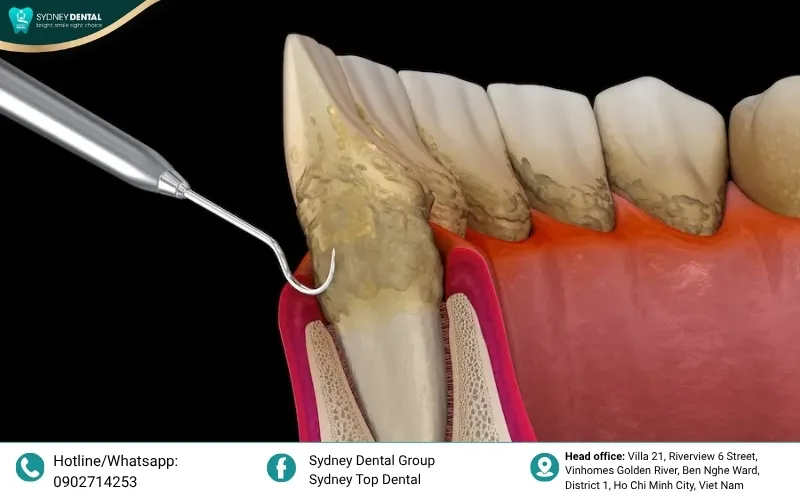
4.1. Non-Surgical Treatment: Scaling and Root Planing
Scaling and root planing is a specialized deep cleaning procedure that removes tartar from both above and below the gum line. The dentist carefully smooths the root surfaces to prevent bacteria from re-attaching to the tooth structure. This process allows the gum tissue to heal and reattach more tightly to the clean teeth.
This treatment is typically the first line of defense against early-stage periodontal disease and bone resorption. By eliminating the source of the infection, the body can stop the inflammatory process that destroys bone. Regular maintenance following this procedure is essential to ensure that the bacteria do not return to cause further damage.
- Pros: Non-invasive, cost-effective, and highly effective at stopping early infection.
- Cons: May require local anesthesia and multiple visits for complete cleaning.
- Target: Patients with mild to moderate gingivitis or early-stage periodontitis.
4.2. Periodontal Pocket Reduction Surgery
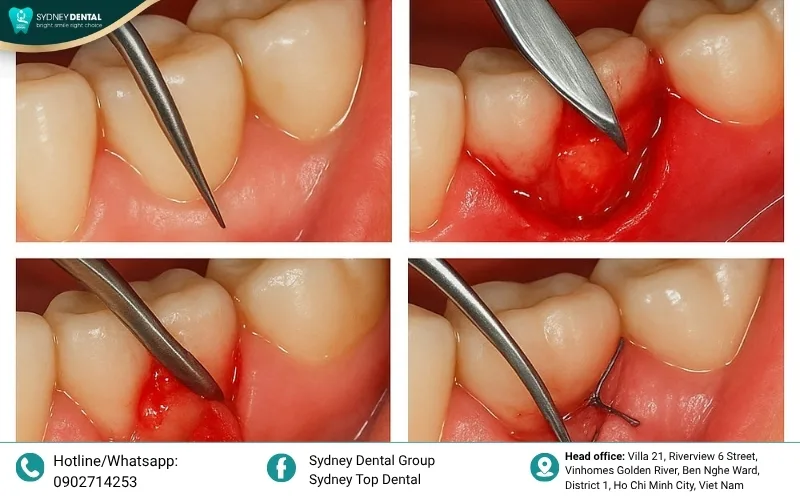
For deep pockets that cannot be reached by standard cleaning, surgical intervention is necessary to access the root surfaces. The surgeon gently folds back the gum tissue to remove hidden bacterial colonies and damaged bone sections. Once the area is thoroughly cleaned, the gums are sutured back into a position that minimizes pocket depth.
This procedure significantly reduces the areas where bacteria can hide and continue their destructive work on the jawbone. It creates an environment that is much easier for the patient to maintain with daily oral hygiene. Reducing pocket depth is a critical step in stabilizing the teeth and preventing future bone loss episodes.
- Pros: Provides direct access to deep infections and reduces the risk of future bone decay.
- Cons: Involves surgery, a longer recovery time, and higher initial costs.
- Target: Patients with deep periodontal pockets that do not respond to non-surgical cleaning.
4.3. Bone Grafting and Guided Tissue Regeneration
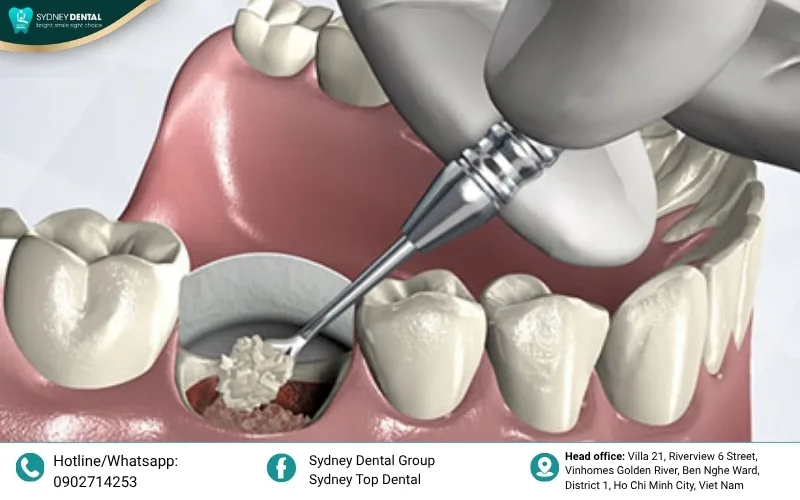
Bone grafting is the “gold standard” solution for restoring bone density that has already been lost to disease. The dentist places grafting material into the areas of deficiency to act as a scaffold for new bone growth. This material encourages your body to regenerate its own natural bone over several months of healing.
Guided tissue regeneration often accompanies the graft to ensure that the bone has space to grow without being crowded out by soft tissue. This combination of techniques can restore the structural integrity needed to support dental implants or stabilize natural teeth. It is a highly successful way to reverse the damage caused by years of chronic periodontal infection.
- Pros: Actually restores lost bone and allows for future dental implants.
- Cons: Requires a surgical procedure and several months for the bone to fully mature.
- Target: Patients with significant bone loss who want to restore their oral function and aesthetics.
5. How to Prevent Bone Loss at Home
While professional treatments are effective, the best way to manage bone loss is through a rigorous daily prevention routine. Consistent habits will protect your gums and ensure that the supporting bone remains strong and healthy.
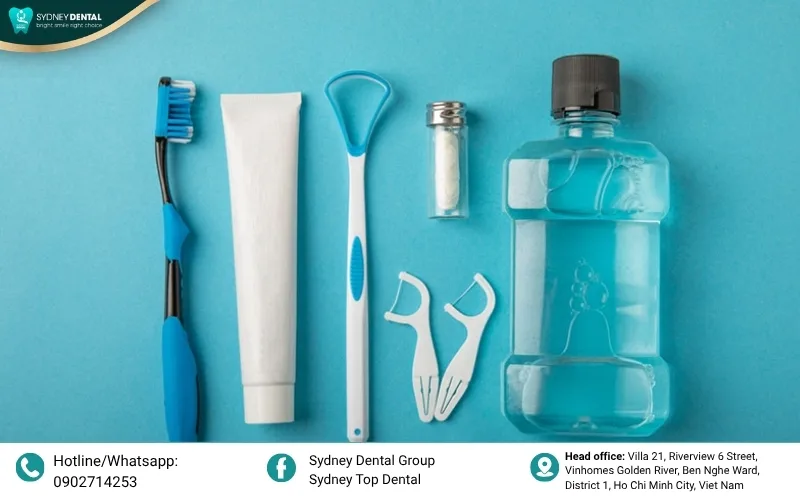
- Hygiene routine: You should use an electric toothbrush and high-quality dental floss to remove plaque from every surface of your teeth. Incorporating a water flosser can help reach into deeper areas where traditional floss might not be as effective. These tools work together to disrupt the bacterial biofilms that lead to destructive periodontal infections.
- Dietary habits: A diet rich in Calcium and Vitamin D is essential for maintaining the density and strength of your jawbone. These nutrients provide the building blocks your body needs to repair and maintain hard tissues.
- Dental visits: Scheduling professional cleanings every six months allows your dentist to catch potential issues before they become serious. These regular checkups include professional-grade plaque removal that is impossible to achieve with home tools alone. Prevention through professional monitoring is the most reliable way to avoid the complications of bone resorption.
Maintaining your oral health requires a lifelong commitment to both home care and professional dental guidance. By following these steps, you can prevent the “silent threat” of bone loss from ever compromising your smile. Your daily efforts today are the best investment you can make for a healthy and functional future.
Periodontal disease is a manageable condition, and bone loss can be effectively treated or prevented with the right approach. Early intervention is the key to preserving your natural teeth and avoiding the need for complex restorative surgeries. Protecting your jawbone today ensures a lifetime of confident smiles and optimal systemic health.
Learn more: Sydney Top Dental Review: Real Smile Transformation Story
Sydney Top Dental
📍 Address: No. 21, Riverview 6 Street, Vinhomes Golden River Villas, Ben Nghe Ward, District 1, Ho Chi Minh City
📞 Hotline: 090 271 42 53
🌐 Facebook: Sydney Top Dental


Our Doctors
Get a Free Initial Consultation