
Losing 90% of your jawbone is a serious condition that significantly impacts your oral health and facial structure. Many patients feel hopeless, fearing that they have lost the chance to regain a full, functional smile. However, this is not the end of your smile, as modern dentistry offers advanced solutions to restore what has been lost.
1. What is 90% bone loss, and why does the bone disappear?
When you lose teeth, the alveolar bone no longer receives the stimulation needed to maintain its density and volume. Over time, this lack of pressure causes the bone to atrophy, leading to the severe 90% loss that complicates future dental treatments.
1.1. The biological mechanism of jawbone after tooth loss
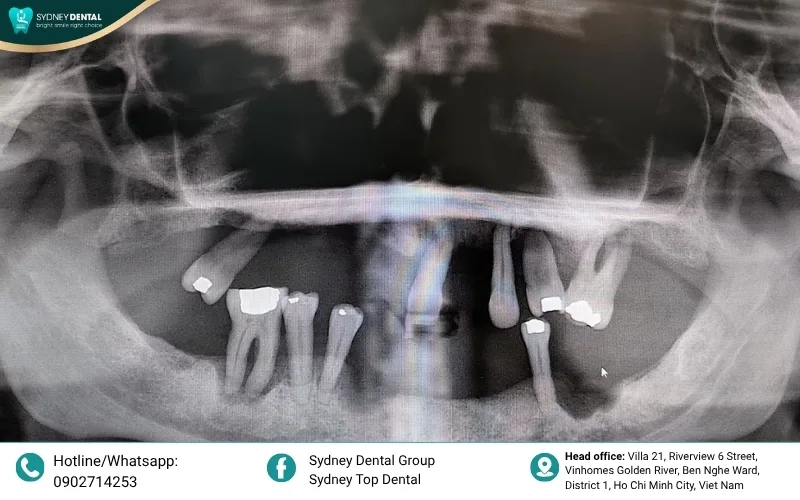
When a tooth is extracted, the alveolar bone begins a natural process of resorption because it no longer supports a tooth root. The body perceives this area as unnecessary, so it gradually reabsorbs the bone minerals into the bloodstream. Without external intervention, this structural loss continues until the bone width and height are critically diminished.
This biological degradation happens silently, often without pain, until the bone is almost entirely gone. It is a progressive condition that changes the foundation of your entire mouth. Understanding this process is the first step toward seeking professional help to stop the bone from disappearing further.
1.2. Stages of periodontal disease leading to severe bone loss
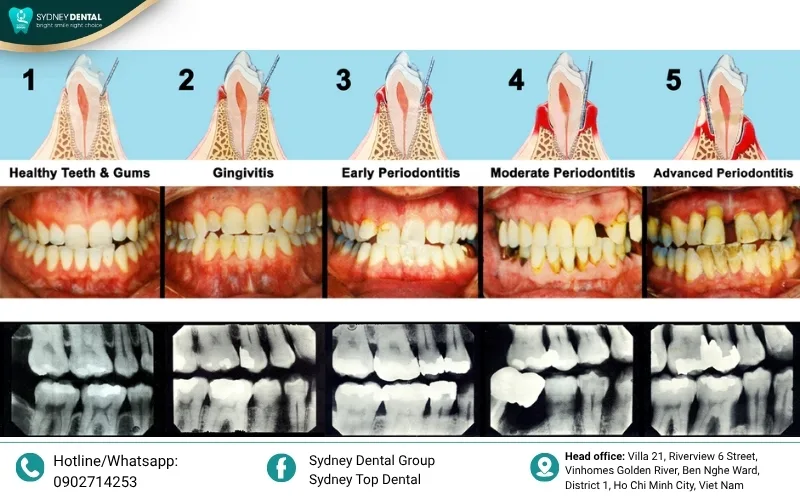
Periodontal disease, or gum disease, is a bacterial infection that slowly destroys the tissues and bone supporting your teeth. If left untreated, the inflammation spreads deeper into the jawbone, causing the bone to break down rapidly. The following stages highlight how this silent disease leads to critical bone loss:
- Gingivitis: The early stage where gums become red and inflamed.
- Early Periodontitis: The infection reaches the bone, starting the initial breakdown.
- Advanced Periodontitis: Massive bone loss occurs, leading to loose teeth and potential tooth loss.
The progression from simple inflammation to 90% bone loss can happen over several years if not managed by a dentist. Regular dental cleanings are essential to detect these stages before they reach the point of no return. Once you understand these stages, you can better appreciate the necessity of early professional intervention.
2. The “hidden” consequences of 90% jawbone loss
Severe bone loss does not just affect your teeth; it alters your entire physical appearance and oral health stability. Ignoring this condition will lead to long-term issues that become increasingly difficult and expensive to treat.
2.1. Facial deformity (sunken look, wrinkles around the mouth)
The jawbone acts as the primary support structure for the soft tissues of your lower face. When 90% of this bone is gone, the muscles and skin lose their foundation, causing the face to sag inward. This leads to common aesthetic issues that make patients appear much older than their actual age.
- Sunken appearance: The lips and cheeks lose their natural support.
- Premature wrinkles: Deep lines appear around the corners of the mouth.
- Chin projection: The chin may appear more prominent as the facial height decreases.
These changes are often the most distressing parts of severe bone loss for many patients. Fortunately, restoring the bone volume can help reverse some of these structural shifts and improve your facial profile.
2.2. Loosening of adjacent teeth and risk of further tooth loss
When one area of the jaw suffers from 90% bone loss, the surrounding teeth lose their essential structural support. These healthy teeth start to drift or become mobile, which eventually forces them to fall out as well. This creates a chain reaction where one missing tooth leads to a wider area of bone degradation.
Without the stability provided by a healthy jawbone, your remaining teeth are constantly under stress during chewing. This excessive pressure accelerates the decline of the remaining bone and the health of the gums. Addressing the bone loss early is the only way to protect the teeth you currently have left.
3. Is it still possible to get dental implants with 90% bone loss?
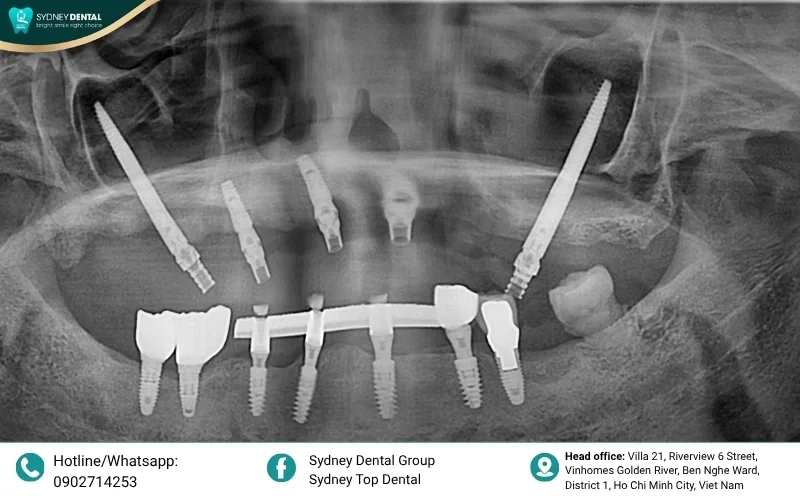
Modern dentistry has made remarkable progress in treating even the most severe cases of jawbone atrophy. With advanced surgical techniques and high-quality grafting materials, dentists can rebuild a stable foundation for your dental implants. It is a complex procedure, but it is entirely achievable for the majority of patients today.
Your bone structure can be reconstructed to support a long-lasting, functional dental implant solution. By utilizing high-tech diagnostics, your dentist can plan a treatment that fits your specific needs and bone density. You do not have to settle for removable dentures when a permanent, natural-looking smile is within reach.
The key to success lies in choosing an experienced dental surgeon who specializes in bone regeneration. They will assess your condition and determine the most effective graft to restore your jaw’s integrity. Once the foundation is solid, you can enjoy the confidence of a secure, permanent dental implant.
4. The most advanced methods for jawbone regeneration
Rebuilding 90% of the jawbone requires specialized techniques designed to encourage the body to regrow its own tissue. These methods vary based on your health, the amount of bone needed, and the location of the missing tooth.
4.1. Autogenous bone graft: The “Gold Standard”
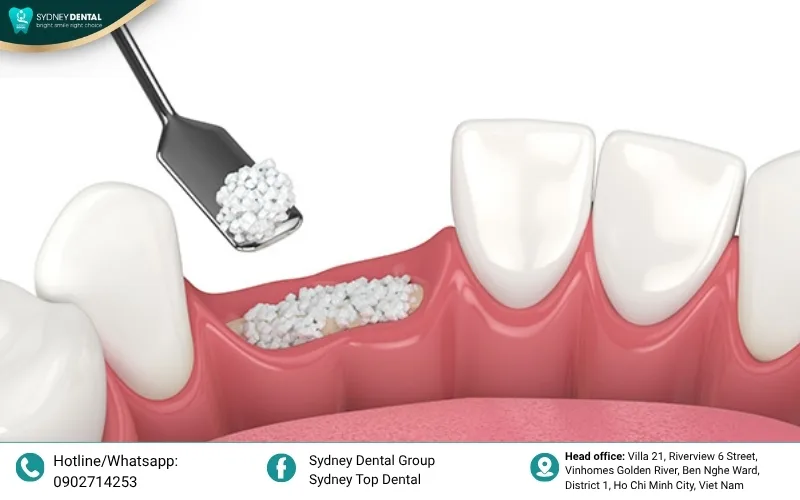
This method involves taking bone from another part of your own body, such as the chin or hip, to graft into the jaw. It is considered the most reliable method because it uses your own living tissue to stimulate new growth.
- Pros: Highest success rate, no risk of tissue rejection.
- Cons: Requires a second surgical site on your body.
- Best for: Patients needing significant bone volume for multiple implants.
The healing process is generally very successful because the graft is biologically compatible. Your body accepts the donor bone readily, allowing for faster integration into your existing jaw structure.
4.2. Synthetic bone graft (Xenograft/Allograft)
Synthetic or processed bone materials are used as a scaffold to support your natural bone as it grows. These materials provide a structure for new bone cells to attach and fill the gap.
- Pros: No need for a second surgery to harvest bone, readily available.
- Cons: Slightly slower integration compared to autogenous bone.
- Best for: Minor to moderate bone deficiencies or patients who prefer to avoid harvesting.
These grafts are safe and have been used successfully in dentistry for many years. They allow for predictable results without the pain associated with donor site surgery.
4.3. Sinus lift technique (for the upper jaw)
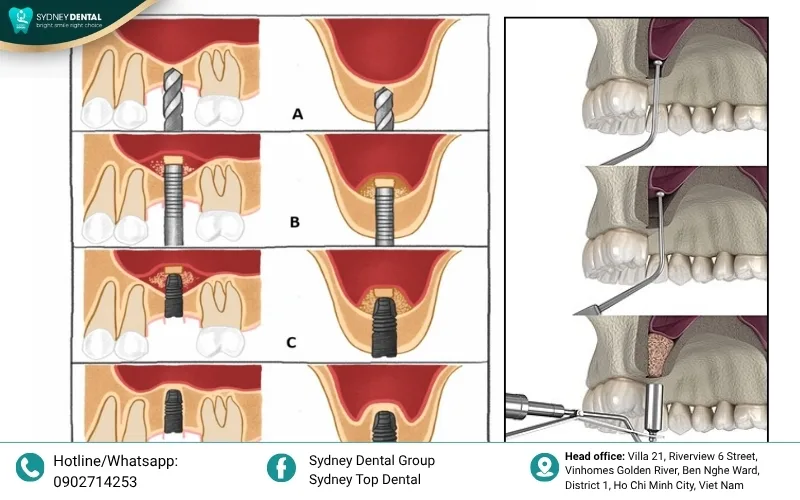
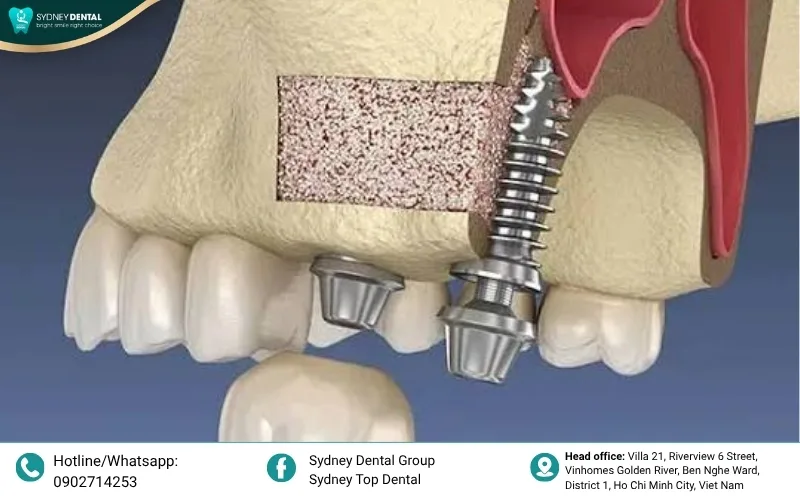
If you have bone loss in the upper back jaw, the sinus cavity may be too close to where the implant should go. A sinus lift adds bone to the upper jaw by lifting the sinus membrane and placing graft material underneath.
- Pros: Allows implants in areas previously considered impossible.
- Cons: Requires a longer healing period before placing the implant.
- Best for: Patients with severe bone loss in the upper posterior region.
This procedure opens up new possibilities for patients who previously were told they had “no bone left.” It is a precise surgery that creates the height needed for long, stable implants.
4.4. Collagen membrane for bone regeneration
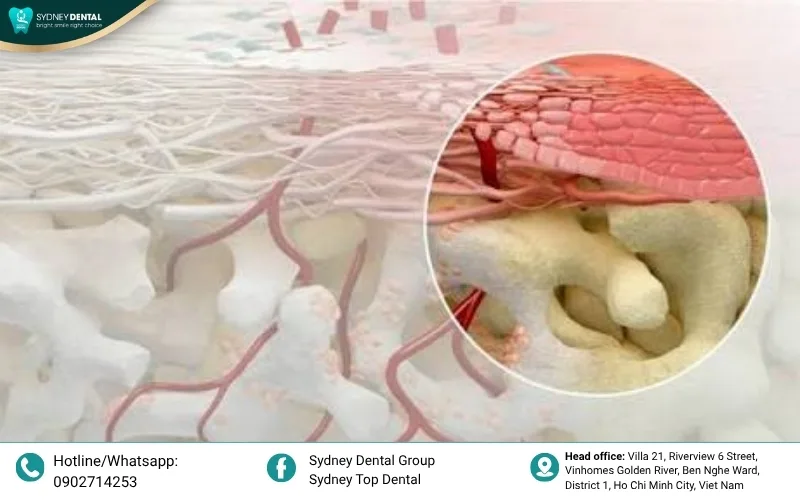
A collagen membrane is often placed over the graft site to protect the area and guide bone growth. This membrane acts as a barrier, preventing soft tissue from growing into the space where bone needs to form.
- Pros: Improves the quality and density of the new bone.
- Cons: Adds complexity and cost to the overall surgical procedure.
- Best for: Complex cases where space maintenance is critical.
This supportive layer is essential for ensuring the graft stays in place during the healing process. By using a membrane, your dentist ensures that the bone regenerates in the exact shape required for your implant.
5. The specialized process of jawbone treatment
Treating severe bone loss requires a highly structured, medical approach to ensure safety and long-term success. Every step of the procedure is designed to provide you with the best possible outcome for your unique anatomy.
5.1. CT Cone Beam – The essential step for bone density evaluation
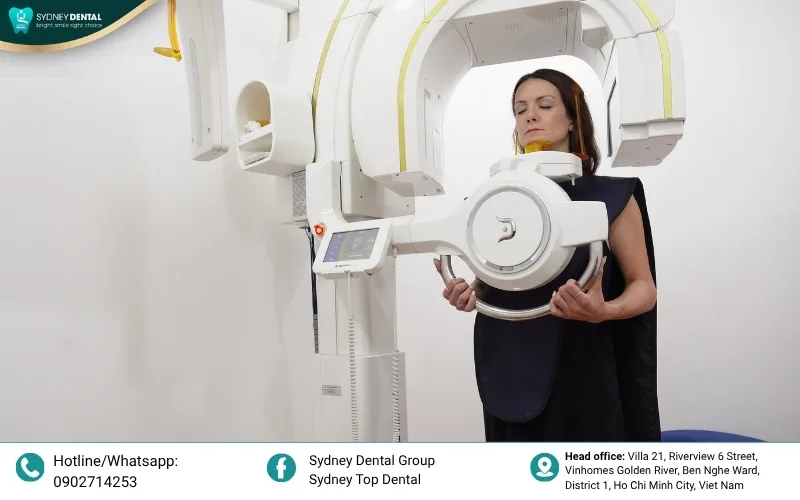
A CT Cone Beam scan provides a 3D view of your jaw that standard X-rays cannot offer. This allows the surgeon to measure your bone volume down to the millimeter and see the exact location of nerves and sinuses.
This diagnostic tool is non-negotiable for patients with 90% bone loss. It enables the dentist to plan the surgery with extreme precision, reducing risks and increasing the probability of a successful graft.
5.2. Personalized treatment planning
Your dentist will analyze your 3D scan to develop a treatment plan that addresses your specific bone deficiency. They will consider your overall health, the quality of your remaining bone, and your goals for the final restoration.
Each plan is tailored to the individual, as no two mouths are the same. Your doctor will explain exactly which grafting materials will be used and how many stages the process will involve. This ensures you are fully informed and confident before starting your journey to a new smile.
The plan also includes a recovery timeline so you know exactly when to expect your final tooth replacement. By personalizing the approach, the dental team ensures the highest possible success rate for your specific bone condition.
Conclusion
While losing 90% of your jawbone is a significant challenge, it is a problem that modern dental medicine can solve effectively. If you are struggling with this issue, please schedule a consultation with a qualified implant specialist today to discuss your recovery options. Your path to a healthy, permanent smile begins with a professional assessment and a customized plan designed just for you.
Sydney Top Dental
📍 Address: No. 21, Riverview 6 Street, Vinhomes Golden River Villas, Ben Nghe Ward, District 1, Ho Chi Minh City
📞 Hotline: 090 271 42 53
🌐 Facebook: Sydney Top Dental


Our Doctors
Get a Free Initial Consultation