
“Health is the root of all happiness, and a smile is the most radiant flower blooming from that root.” Understanding the integrity of your jawbone is essential for maintaining that smile for a lifetime. This article explores the critical aspects of gum bone loss, providing you with the knowledge to identify, prevent, and treat this silent dental condition.
1. What is Gum Bone Loss? Why Should You Be Concerned?
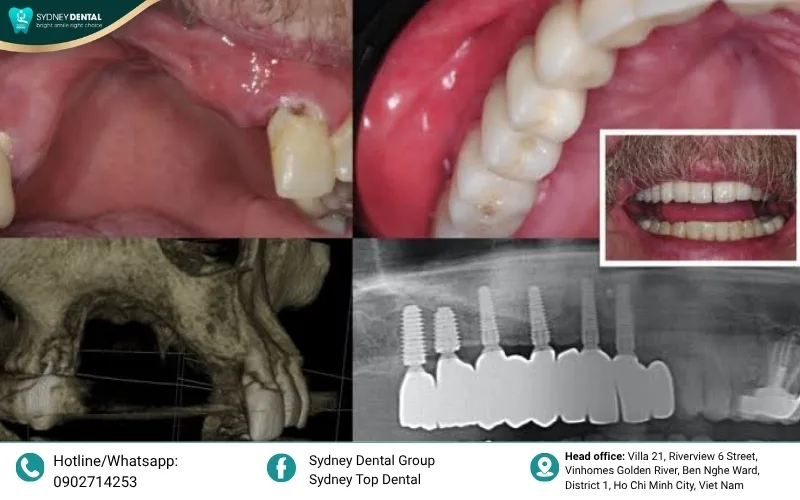
The alveolar bone is the specialized ridge of the jawbone that anchors your teeth in place. It relies on the constant pressure and stimulation from chewing to maintain its density and structural integrity. When a tooth is lost or damaged by disease, this bone no longer receives the necessary mechanical stimulation, leading to its gradual atrophy.
This silent degradation often begins without pain, making it difficult for patients to notice until significant damage has occurred. As the bone recedes, the supporting structures of your teeth become compromised, leading to increased sensitivity and mobility. Ignoring these early warning signs can lead to permanent structural changes that are far more difficult to treat later on.
The physical consequences of advanced bone loss extend far beyond just losing a single tooth. Over time, the resorption of the jawbone causes the facial muscles to sag, resulting in a prematurely aged appearance and the characteristic “sunken-in” mouth shape. Restoring both your oral function and facial aesthetics becomes a much more complex journey once the bone structure has significantly collapsed.
2. 5 Early Warning Signs of Gum Bone Loss
Recognizing the early symptoms of bone loss is vital for preventing irreversible damage to your dental structure. By paying attention to subtle changes in your mouth, you can seek professional intervention before the condition escalates.
2.1. Gum Recession and Exposed Tooth Roots
Gum recession often presents as the first visible indicator that the underlying bone is shrinking. As the bone support disappears, the soft tissue follows, exposing the sensitive root surface of the tooth. This process can make your teeth appear significantly longer than they were previously.
Visible symptoms include a clear margin difference where the tooth meets the gum line, often accompanied by increased sensitivity to cold or heat. If you notice a “notched” appearance at the base of your teeth, it is likely that the bone beneath is no longer supporting the gum tissue properly.
2.2. Teeth Becoming Loose or Gapped
When the alveolar bone is compromised, it loses its ability to hold the tooth root firmly in position. You may notice that your teeth move slightly when chewing or even when touched with your tongue. This instability is a direct result of the diminishing bone mass surrounding the tooth structure.
A noticeable increase in gaps between teeth, or “drifting” teeth, is a hallmark of advanced periodontal bone loss. As the bone support weakens, teeth often shift from their natural alignment into empty spaces. This migration not only affects your bite but also increases the risk of food impaction and further decay.
2.3. Changes in Your Bite
As teeth shift due to underlying bone loss, your top and bottom teeth may no longer meet as they once did. This misalignment creates pressure points during chewing that can cause discomfort or even jaw pain. Persistent changes in your bite are often a red flag for underlying structural bone issues.
You might notice that your teeth “clash” during normal chewing or that you are unable to close your mouth comfortably. These functional changes indicate that the entire arch is losing its stability. Ignoring these shifts can lead to more severe bite dysfunction and potential damage to the temporomandibular joint (TMJ).
2.4. Ill-Fitting Dentures or Appliances
If you wear dentures, a significant shift in their fit is often the first sign that your jawbone is resorbing. Because the bone under the denture is constantly remodeling, the appliance will eventually feel loose, causing slippage during talking or eating. This discomfort is not just an irritation; it is a clinical sign of bone volume loss.
Patients may find themselves using more adhesive than usual or noticing painful sore spots caused by the shifting denture base. If your previously well-fitting appliance now creates friction or requires constant adjustment, the bone beneath has likely changed shape. Consult your dentist immediately to assess the health of your alveolar ridge.
2.5. Chronic Swelling and Bleeding Gums
Chronic inflammation is the leading precursor to bone loss, frequently manifesting as persistent redness and bleeding. When gums bleed during brushing or flossing, it indicates an active infection that is likely attacking the underlying bone. Healthy gums should be firm and pale pink, not swollen or prone to bleeding.
Persistent bad breath, despite good oral hygiene, is another sign that harmful bacteria are thriving in deep periodontal pockets. These pockets are prime sites for bone-destroying bacteria to settle and multiply. If you experience these symptoms consistently, it suggests that your gum health is actively failing and needs urgent professional care.

3. Leading Causes of Gum Bone Loss
Identifying the root cause of bone loss is the first step toward effective treatment and long-term stabilization of your oral health. While various factors contribute to the condition, professional diagnosis is essential to determine the specific trigger in your case.
3.1. Periodontal Disease (Chronic Periodontitis)
Periodontal disease is a chronic bacterial infection that systematically destroys the fibers and bone supporting your teeth. As the infection progresses, it creates deep pockets between the gums and teeth, harboring destructive bacteria. These bacteria release toxins that trigger the body’s inflammatory response, which unfortunately ends up eating away at your own jawbone.
Early signs include deep gum pockets measuring over 3mm, often accompanied by persistent inflammation. If left untreated, the bone loss becomes progressive, eventually leading to tooth loss. Regular periodontal maintenance is the only way to arrest this silent destruction.
3.2. Unreplaced Missing Teeth (Bone Resorption)
When a natural tooth is removed, the alveolar bone no longer receives stimulation from the tooth root during chewing. Without this load, the bone begins a natural process of resorption, thinning out in the area where the tooth used to be. This happens most rapidly in the first year following an extraction.
This localized bone loss is often invisible to the patient until they try to get a bridge or implant and find the bone is too thin. The loss of volume affects not only the site of the missing tooth but also the health of adjacent teeth. Replacing lost teeth early is the best way to “preserve” the bone structure.

3.3. Localized Infection or Dental Abscess
An abscess is a concentrated collection of pus caused by a bacterial infection, often originating from deep tooth decay or trauma. The pressure from this infection can rapidly destroy surrounding bone as the body attempts to contain the bacteria. This type of bone loss is often acute and can cause significant pain and swelling.
If you feel a sudden, painful bump on your gum line or persistent throbbing, an abscess may be eroding the bone. Immediate drainage and root canal treatment or extraction are required to stop the damage. Delayed treatment often results in the need for complex bone grafting later.
3.4. Systemic Health Conditions (Diabetes, Osteoporosis)
Systemic conditions like diabetes significantly impair the body’s ability to heal and regulate inflammation, making patients more susceptible to bone loss. High blood sugar levels feed periodontal bacteria, accelerating the destruction of supporting structures. Managing blood glucose is as important as brushing your teeth for diabetic patients.
Osteoporosis, which decreases overall bone density, can also affect the density of the jawbone. While it is not a direct cause of gum disease, it can make existing bone loss progress faster. Patients with low bone density should be extra vigilant with their oral health and frequent dental check-ups.
4. Modern Methods for Treating and Regenerating Jawbone
Modern dentistry offers advanced techniques to recover lost bone and stabilize your oral health effectively. With the right intervention, it is often possible to restore the foundation required for healthy teeth or implants.
4.1. Bone Grafting
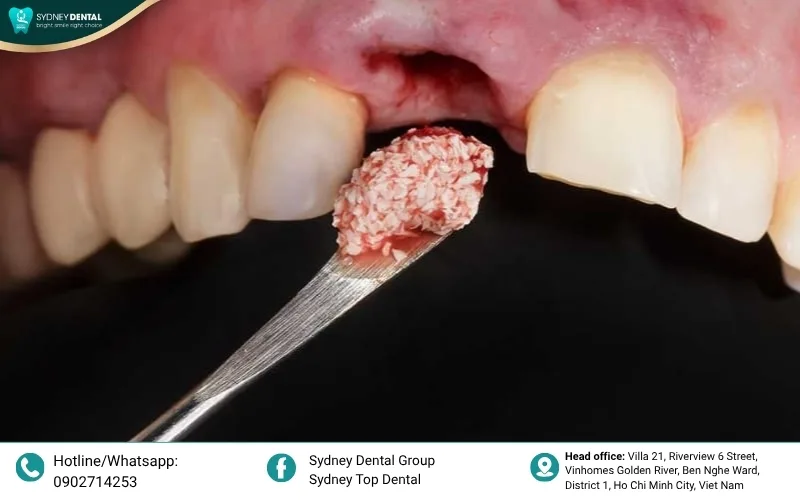
Bone grafting involves placing biocompatible bone material into the area where the bone has been lost. Over time, your body integrates this material, replacing it with new, living bone cells. This creates a solid foundation for future dental implants or supports weakened natural teeth.
The procedure is highly predictable and has become a standard practice in oral surgery. Depending on the size of the defect, synthetic or donor bone is used to stimulate natural regeneration. It is a highly effective way to reverse the “sunken” effects of bone resorption.
4.2. Guided Tissue Regeneration (GTR)
Guided Tissue Regeneration (GTR) uses a specialized membrane to protect the bone defect from fast-growing gum tissue. By preventing the gums from filling the space first, the bone cells are given the time and “guidance” they need to grow back properly. This technique is often used in cases of localized bone loss around specific teeth.
This procedure is highly precise and requires a skilled periodontist to ensure the membrane is placed correctly. It is often combined with bone grafting material to achieve the best density and height. GTR is a proven method to save teeth that would otherwise need to be extracted.

4.3. Deep Periodontal Cleaning (Scaling and Root Planing)
Deep cleaning, or scaling and root planing, is the foundational treatment for stopping active bone loss caused by infection. It involves removing hardened tartar and bacterial toxins from deep beneath the gum line, where regular brushing cannot reach. This cleans the root surface, allowing the gums to reattach to the tooth.
By removing the source of the infection, the inflammatory process is halted, preventing further bone deterioration. While it is not a “graft,” it is the most important step in stabilizing the condition. Many patients find that their gum health stabilizes significantly after this comprehensive cleaning process.
5. Preventing Gum Bone Loss at Home
Prevention is far more effective and affordable than restorative surgery. By adopting these consistent habits, you can protect your jawbone and maintain a healthy, stable smile for decades.
- Standard dental hygiene: Brush at least twice daily with fluoride toothpaste and use interdental brushes or floss to clean between teeth. Removing plaque consistently stops the inflammatory cycle before it has a chance to destroy your alveolar bone.
- Dietary choices: Ensure an adequate intake of Calcium and Vitamin D, which are essential building blocks for bone density. A balanced diet supports your body’s natural ability to maintain bone health and fight off systemic infections.
- Professional check-ups: Visit your dentist at least every six months for professional cleanings and early screening. Early detection of periodontal pockets allows for non-invasive treatments that can prevent major bone loss from ever occurring.

6. Conclusion: Don’t Wait Until It’s Too Late
Ignoring the early symptoms of bone loss is a gamble with your long-term dental health. While gum issues may seem minor initially, they can escalate rapidly into structural damage that affects your bite and appearance. Taking proactive steps today ensures that you won’t face complex, costly surgeries in the future.
We strongly advise scheduling a professional assessment if you notice any changes in your gums or tooth mobility. A specialist can perform a detailed X-ray analysis to determine the exact state of your bone density. Early professional intervention is the safest and most efficient path to preserving your natural smile.
For those seeking world-class expertise, we recommend exploring dental tourism options at Sydental, one of Vietnam’s leading dental clinics. Led by the renowned Dr. Nguyen Ngoc Hai, the team at Sydental provides state-of-the-art care for complex bone reconstruction and implantology. Their patient-centric approach ensures you receive top-tier treatment, combining professional excellence with the comfort of a seamless recovery experience.


Our Doctors
Get a Free Initial Consultation