
Bone loss in the mouth is a serious condition that often goes unnoticed until it leads to tooth loss and facial changes. Understanding the root causes and available treatments is essential for preserving your oral health and smile. This article provides a comprehensive guide to help you recognize symptoms early and seek professional care in time.
1. What is jawbone loss and why is it dangerous?
Jawbone loss, clinically known as alveolar bone resorption, occurs when the bone tissue supporting the teeth gradually decreases in density and volume. This process is triggered by the lack of mechanical stimulation that teeth normally provide to the jawbone, leading to a biological imbalance where bone resorption exceeds bone formation. If left untreated, this condition significantly compromises the foundation of your teeth and the structural integrity of your facial bones.
1.1. Why does bone need teeth?
The jawbone stays healthy and dense through the constant pressure and stimulation exerted by the roots of natural teeth during daily chewing. This mechanical force sends vital signals to the body to maintain bone density in the alveolar ridge area. Without these biological signals, the jawbone lacks the instruction to regenerate, causing it to atrophy over time.
Once the natural stimulation stops, the body begins to reabsorb the mineral content of the unused bone to redistribute it elsewhere. This biological process is efficient for the body but devastating for your long-term oral structure. Over time, the height and width of the bone shrink, making it difficult to support your existing teeth or new dental implants.
- Mechanical Stimulation: Chewing creates the force necessary to signal bone cells to remain active and dense.
- Bone Density: Natural teeth roots act as anchors that maintain the structural integrity of the jawbone.
1.2. Consequences of delayed treatment
Ignoring bone loss leads to irreversible structural changes that affect both your oral function and your aesthetic appearance. Delaying professional treatment will eventually turn a simple dental issue into a complex and costly reconstructive surgery.
- Progressive tooth loss: As the supporting bone disappears, your healthy teeth lose their stability and become loose. This creates a domino effect where surrounding teeth eventually fail, leading to total tooth loss.
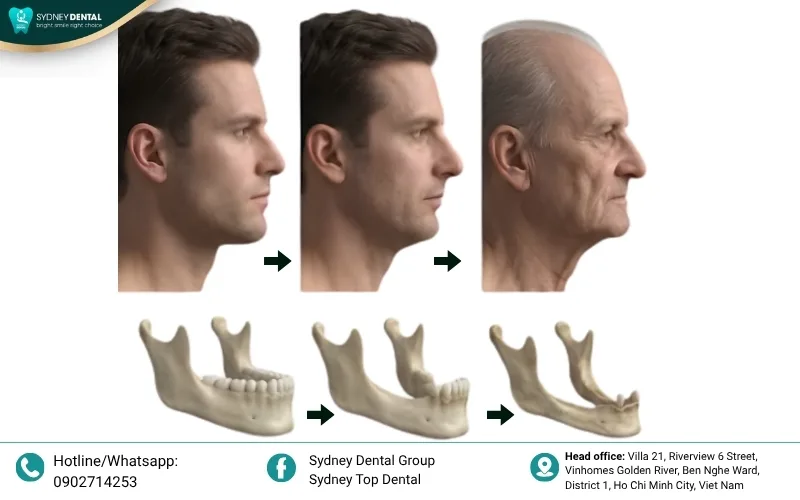
- Facial sagging and aging: The jawbone provides essential support for the skin and muscles of the lower face. When it shrinks, the chin may appear pointed and the cheeks look sunken, making you look much older.
2. Warning signs of jawbone loss
Identifying bone loss early is the most effective way to prevent long-term damage to your dental health. Recognizing these subtle changes can help you intervene before the condition requires complex surgical procedures.
2.1. Receding gums and exposed tooth roots
When your gums begin to recede, it is often a sign that the underlying bone has already started to diminish. The gum tissue needs a solid bone foundation to stay attached, so bone loss directly causes the gum line to pull away. You should monitor your mouth carefully for any visual changes in the height of your gum tissue.
This condition creates pockets that trap bacteria, further accelerating the destruction of both soft and hard tissues in the mouth. As the bone recedes, more of the tooth root becomes visible, making your teeth appear significantly longer than they were before. Early detection of these changes is vital to preventing further bone resorption and potential tooth loss.
- Characteristics: Gum tissue pulls away from the teeth, creating deep pockets that expose sensitive root surfaces.
- Signs: Teeth appear longer than usual and become hypersensitive to hot or cold temperatures.
2.2. Loose or shifting teeth
The stability of your teeth depends entirely on the density of the bone surrounding the roots in the jaw. As this bone volume decreases, the teeth lose their firm grip and begin to move or shift into new positions. You may notice your bite feels different or that your teeth are not sitting in their usual spots.
This shifting happens gradually, but it eventually leads to visible gaps between teeth that were previously tight. If you feel any movement while brushing or eating, it is a clear warning sign of advanced bone density loss. You must consult a dentist immediately to assess the stability of your dental foundation.
- Characteristics: The bone foundation weakens, causing teeth to lose their structural support and stability.
- Signs: Gaps appear between teeth, and you may feel “wiggling” sensations while chewing or biting.
2.3. Facial changes (Sunken cheeks and a collapsed bite)
The jawbone acts as the main scaffold for your facial muscles, skin, and soft tissues in the lower third of the face. When this bone structure collapses, it causes the facial muscles to lose their support and begin to sag downward. This results in significant changes to your profile that can make you appear much older than your age.
A common sign of this transformation is a sunken appearance around the mouth and cheeks, often called a “collapsed bite.” Over time, the distance between your nose and chin shortens significantly, creating deep wrinkles around the lips. These physical changes are usually permanent unless you undergo restorative bone grafting procedures.
- Characteristics: The loss of jawbone volume reduces the support for facial muscles and skin, leading to sagging.
- Signs: The lower face looks shorter, cheeks appear hollow, and deeper wrinkles form around the mouth.
3. Major causes of bone loss in the mouth
The degradation of jawbone density is rarely a random event and is usually linked to specific dental health habits or conditions. By identifying these triggers, patients can take proactive steps to mitigate further bone resorption. Maintaining awareness of these factors is crucial for preserving the bone structure over a lifetime.
3.1. Long-term missing teeth without replacement
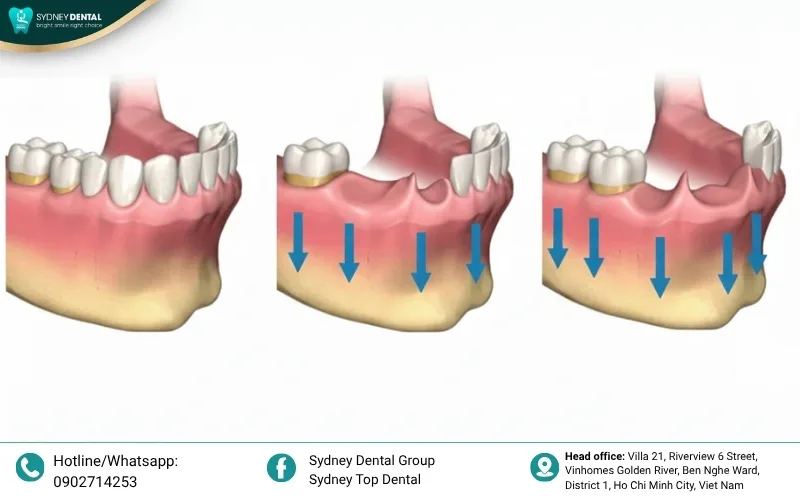
When a tooth is extracted, the alveolar bone in that area stops receiving stimulation and begins to shrink rapidly. The body perceives that the bone is no longer needed, so it redirects those nutrients to other parts of the body. This is the most common cause of localized bone atrophy in adults.
- Characteristics: Rapid bone loss occurs in the exact area where a tooth is missing.
- Signs: A visible dip or “caving in” of the gum line appears where the tooth once was.
3.2. Periodontitis (Gum disease)
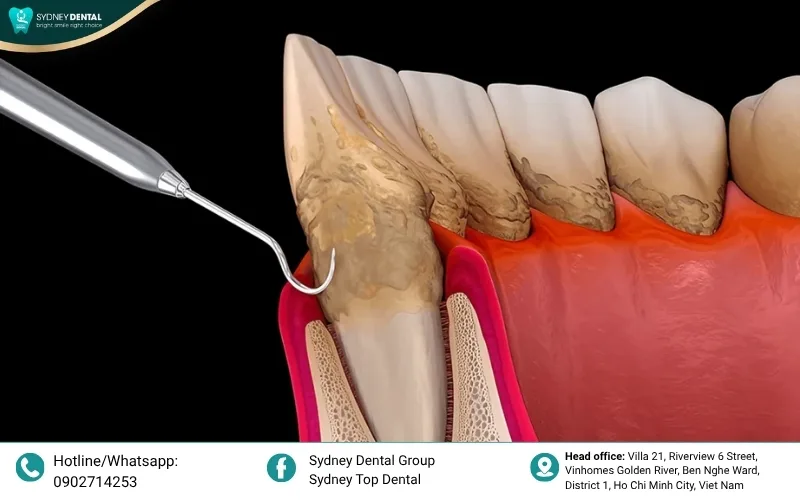
Chronic bacterial infection from gum disease destroys the ligaments and bone tissue that anchor your teeth in the sockets. This inflammation is a slow-moving process that eats away at the bone density over many years. Regular professional cleanings are the only way to stop this silent destruction of your jaw structure.
- Characteristics: Persistent bacterial infection leads to the systematic destruction of periodontal ligaments and jawbone.
- Signs: Gums are red, swollen, bleed during brushing, and you may have persistent bad breath.
3.3. Long-term use of removable dentures
Removable dentures exert uneven, intermittent pressure on the gums, which does not provide the same stimulation as natural tooth roots. Over time, this causes the underlying jawbone to flatten and recede much faster than it would naturally. This is why denture wearers often find their appliances fitting poorly after just a few years.
- Characteristics: Uneven pressure from dentures causes bone resorption, leading to a loose fit of the appliance.
- Signs: Dentures constantly slip out of place or require frequent relining to maintain a secure fit.
4. Modern treatments for jawbone loss
Modern dentistry offers several advanced surgical options to restore bone volume and provide a stable foundation for implants. These procedures are performed by specialized oral surgeons to ensure the best functional and aesthetic outcomes for the patient.
4.1. Autograft (Bone taken from your own body)
Autografting is considered the “gold standard” in oral surgery because it uses the patient’s own healthy bone to stimulate new growth. The bone is harvested from another part of the body, such as the chin or hip, and grafted into the deficient jaw area. This method ensures the best compatibility and the highest rate of success for complex cases.
Because the graft contains your own living cells, it integrates with the jawbone much faster than any other material. Surgeons prefer this method when a large volume of bone is needed to restore the structural integrity of the face. It provides a natural framework for your body to regenerate its own bone tissue.
- Characteristics: Uses your own bone tissue, which offers the best biocompatibility and healing potential.
- Signs: Higher success rate for complex cases, though it requires an additional surgical site.
4.2. Artificial bone grafting (Allograft/Xenograft)
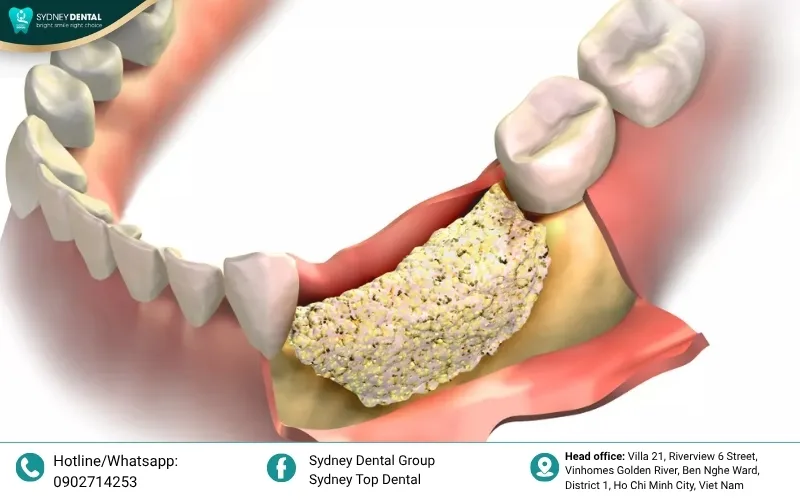
Artificial bone grafting involves using sterile, processed bone materials that mimic the structure of natural human bone. These materials act as a scaffold that allows your body to grow its own new bone cells inside the graft. It is an excellent, less invasive alternative that avoids the need for a second harvest site on your body.
These materials are highly regulated and tested to ensure they are safe and effective for dental reconstruction. Over several months, the graft material is gradually replaced by your own natural, healthy bone. It is the most common approach for standard bone augmentation before dental implant placement.
- Characteristics: Uses synthetic or donor materials as a scaffold for natural bone regeneration.
- Signs: Less invasive than autografts and highly effective for filling small to medium bone voids.

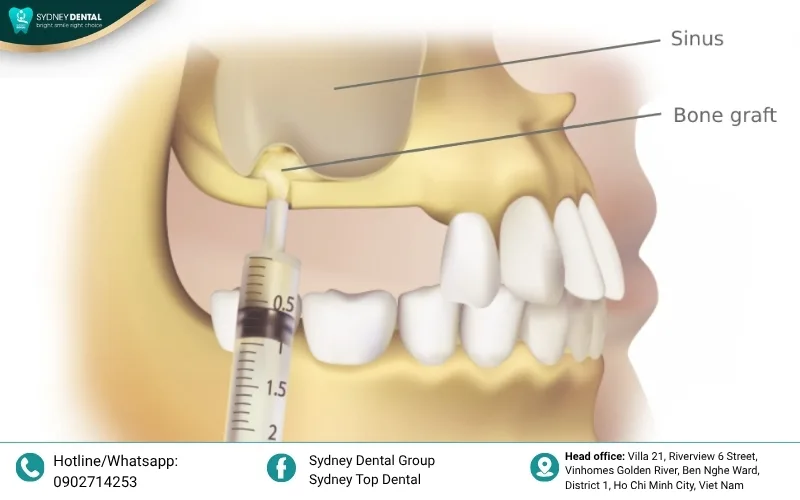
4.3. Sinus lift and bone grafting for dental implants
Sinus lift is a specialized procedure for the upper jaw designed to increase bone height by lifting the sinus membrane. This creates the necessary space to place bone graft material where it was previously too thin for an implant. It is a life-changing procedure for patients who have lost back teeth and lack bone support.
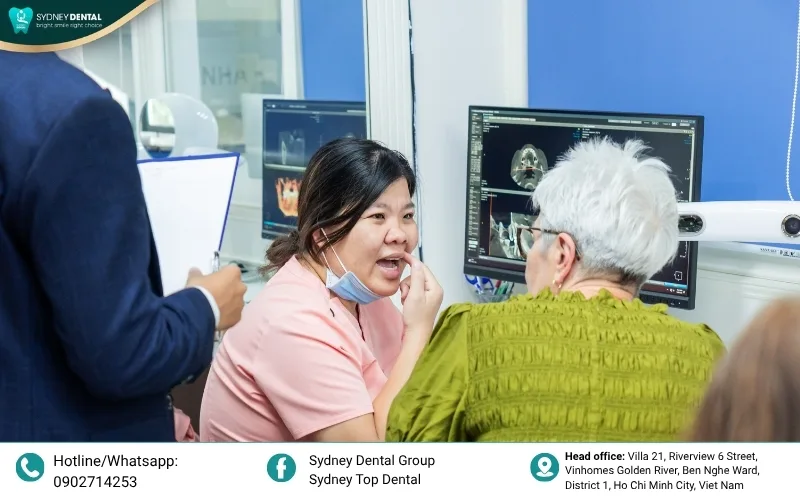
The procedure is highly precise and is performed after a 3D CT scan confirms the sinus cavity position. By adding this bone, the dentist creates a sturdy anchor point for dental implants that will last a lifetime. This allows patients with significant bone loss to regain the ability to chew and smile confidently again.
- Characteristics: Increases bone height in the upper jaw by lifting the sinus membrane to insert graft material.
- Signs: Enables the successful placement of dental implants in the upper jaw, even in cases of severe bone loss.
5. Why should you seek early treatment?
Acting quickly is the key to minimizing the complexity of your dental treatment and ensuring long-term success. Delaying care often leads to more invasive surgeries and higher overall costs for your oral rehabilitation. Prioritizing early intervention preserves your natural smile and protects your overall facial structure.
5.1. Saving money and treatment time
Treating bone loss in the early stages requires less material and simpler surgical techniques than advanced cases. By addressing the issue now, you avoid the need for multiple, expensive bone grafting sessions in the future. Preventative care allows for faster recovery times, getting you back to your normal routine much sooner.
Addressing the problem while it is minor ensures that the bone structure remains intact and easy to restore. Waiting too long makes the bone defect harder to fix, often requiring more specialized and costly procedures. Investing in early treatment is the most cost-effective way to protect your oral health.
5.2. Preserving healthy surrounding teeth
Bone loss acts like a domino effect; once the bone around one tooth is lost, the neighboring teeth lose their support. By treating the bone loss immediately, you create a stable foundation that keeps your remaining healthy teeth firmly in place. This prevents the need for more complex dental bridges or full-arch prosthetic solutions later.
Preserving your natural teeth is always the primary goal of modern dentistry and is best achieved through early intervention. A stable jawbone provides the necessary support for your teeth to function correctly during daily biting and chewing. Taking action today is the best way to safeguard the health of your entire smile.
Jawbone loss is a silent threat, but it is entirely manageable with timely intervention and modern dental technology. If you notice any warning signs, consulting with a dental expert is the best way to safeguard your future oral health. Take control of your smile today and prevent the long-term impact of bone resorption!
Sydney Top Dental
📍 Address: No. 21, Riverview 6 Street, Vinhomes Golden River Villas, Ben Nghe Ward, District 1, Ho Chi Minh City
📞 Hotline: 090 271 42 53
🌐 Facebook: Sydney Top Dental


Our Doctors
Get a Free Initial Consultation