
“Let food be thy medicine and medicine be thy food,” as Hippocrates wisely stated about the foundation of health. Bone loss mouth is a silent, progressive condition that often goes unnoticed until significant damage to your facial structure occurs. Understanding the causes and treatments for this dental issue is essential for maintaining a healthy and youthful smile.
1. What is Bone loss mouth and why does it happen?
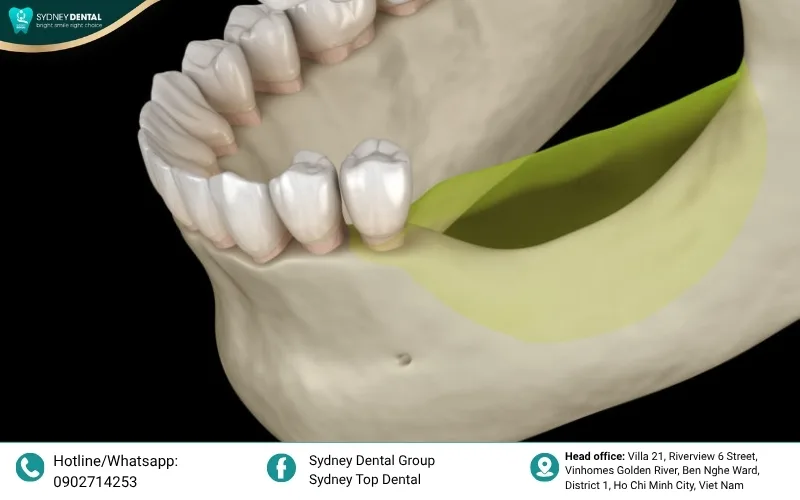
Bone loss mouth, also known as alveolar resorption, occurs when the bone tissue supporting your teeth begins to deteriorate and diminish in density. This phenomenon typically happens because the jawbone requires constant stimulation from chewing and biting to remain healthy. When that stimulation is lost, the body naturally begins to reabsorb the bone mass in the affected area.
The process of bone resorption is a silent threat that can lead to permanent changes in your oral health. Many patients do not realize that their bone structure is thinning until they experience noticeable discomfort or aesthetic changes. Early intervention by a qualified dental professional is the most effective way to halt this progressive decline.
1.1. The biological mechanism of bone loss after tooth extraction.
When a natural tooth is extracted, the alveolar bone that once held the tooth root loses its primary purpose. Under normal conditions, the pressure from chewing sends signals to the bone to maintain its density and strength. Without this mechanical load, the bone cells stop receiving the necessary stimulus to regenerate and support the surrounding tissue.
As a result, the jawbone begins to shrink both in height and width during the initial months following an extraction. This natural physiological response causes the bone to lose its structural integrity over time. If left unaddressed, this loss will significantly reduce the bone volume available for future restorative procedures like implants.
1.2. Common causes: Periodontal disease, long-term tooth loss, and trauma.
Several factors contribute to the degradation of the jawbone, ranging from chronic infections to physical injuries. Patients should be aware of these primary triggers to mitigate the risk of bone loss:
- Periodontal Disease: Chronic inflammation from advanced gum disease destroys the supporting bone tissues.
- Long-term Tooth Loss: Missing teeth for an extended period naturally lead to bone resorption due to lack of stimulation.
- Trauma: Physical injuries or forceful extractions can damage the bone structure, causing it to weaken.

2. Signs you are experiencing bone loss mouth
Recognizing the early warning signs of bone resorption is critical to preventing long-term oral health complications. These indicators often manifest as subtle changes in your mouth that should not be ignored by any patient.
2.1. Changes in facial structure (sunken cheeks, wrinkles).
One of the most visible signs of severe bone loss mouth is the noticeable change in your facial appearance. As the jawbone recedes, it no longer provides the necessary support for your facial muscles and overlying skin. This structural collapse often results in sunken cheeks and an increase in wrinkles around the mouth area.
Many patients mistakenly believe these changes are solely a natural part of the aging process. While aging plays a role, accelerated bone loss significantly contributes to an prematurely aged appearance. Restoring the bone volume is often the only way to reverse this sunken look and regain facial harmony.
2.2. Gum recession and loose teeth.
As the underlying bone structure diminishes, the gums often begin to pull away from the tooth surfaces. This gum recession exposes the sensitive roots of the teeth, leading to increased risk of decay and sensitivity. Furthermore, because the bone is no longer holding the teeth securely, you may notice that your teeth feel loose.
Loose teeth are a significant red flag that your oral health has reached a critical stage of deterioration. Ignoring this symptom will likely lead to further tooth mobility and eventual spontaneous loss of the affected teeth. Immediate consultation with a periodontist is necessary to stabilize the remaining bone and protect your dental health.
3. Why is bone loss mouth dangerous?
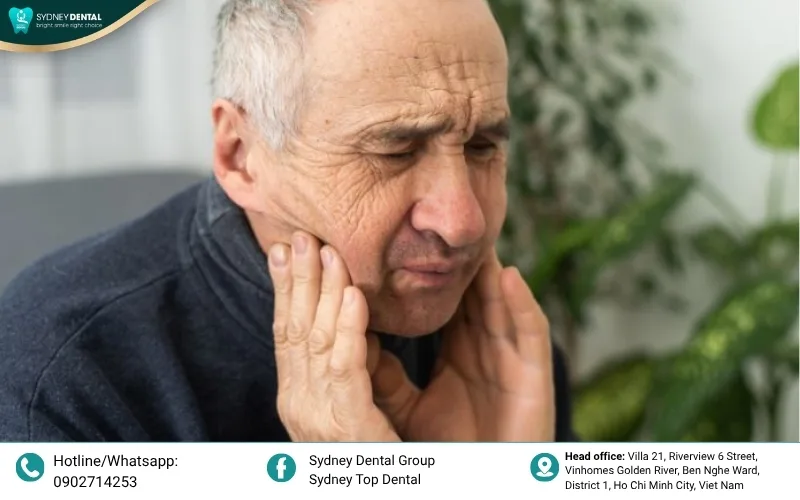
Jawbone loss is more than just a cosmetic concern; it represents a serious threat to your overall systemic health. Once the bone begins to deteriorate, the structural foundation for your entire mouth is permanently compromised.
3.1. Impact on chewing ability and digestive health.
The ability to chew food efficiently is directly linked to the strength and stability of your jawbone. When bone density is lost, the resulting bite instability makes it difficult to masticate food properly. This forces patients to avoid hard or crunchy foods, leading to a restricted and less nutritious diet.
Poor chewing efficiency places an unnecessary burden on the digestive system, which must work harder to process larger pieces of food. This can eventually lead to digestive issues and inadequate absorption of vital nutrients needed for overall health. Ensuring a strong jawbone is therefore essential for both dental function and long-term bodily wellness.
3.2. Major obstacles to successful dental implant procedures.
Dental implants require a sufficient amount of dense, healthy bone to successfully integrate and hold the restoration in place. When significant bone loss has occurred, there is often not enough structural support to anchor an implant securely. This creates a challenging environment that may require extensive preparatory procedures before any restorative work can begin.
Without adequate bone, the long-term success rate of dental implants decreases significantly, increasing the risk of failure. Surgeons must carefully evaluate the bone density during the initial diagnostic phase to determine if grafts are necessary. Addressing bone loss early on is the most reliable way to ensure a stable foundation for your future smile.
4. Treatment and prevention of jawbone loss
Proactive treatment is the best strategy to stop the progression of bone loss and restore your oral health. Modern dentistry offers several advanced techniques to rebuild bone volume and prepare your mouth for successful restorations.
4.1. Bone Grafting
Bone grafting is a surgical procedure that involves placing bone material into the area where the density has been lost. This material encourages the body to grow new, natural bone over the site during the healing phase.
- Pros: Highly successful, allows for future implants, restores structural foundation.
- Cons: Requires surgical intervention, healing period of several months.
- Cost: Varies based on the volume of graft material and surgical complexity.

4.2. Sinus Lifting (if necessary)
A sinus lift is a specialized procedure performed when bone loss occurs in the upper jaw near the sinus cavities. The surgeon gently lifts the sinus membrane and adds bone graft material to create sufficient space for implants.
- Pros: Enables implant placement in previously impossible areas, long-lasting results.
- Cons: Requires a precise surgical technique, slightly longer recovery time.
- Cost: Generally higher due to the complexity and specialized nature of the procedure.

4.3. The importance of early implant placement
Casting an implant soon after tooth loss is the gold standard for preventing the cycle of bone resorption. The implant acts as an artificial root, providing the mechanical stimulation required to keep the surrounding bone dense. This proactive approach preserves your natural facial structure and avoids the need for secondary grafting procedures later.
Early placement significantly simplifies the entire restorative process and improves the long-term prognosis of your dental work. By acting quickly, you save time, reduce discomfort, and protect your long-term investment in your smile. Consult with your dentist to determine the optimal timing for your implant procedure based on your specific bone health.

5. Diagnostic process at a specialist clinic
Diagnosing bone loss requires advanced imaging technology that provides a three-dimensional view of your oral structure. These tools allow specialists to pinpoint areas of concern that are invisible during a standard visual examination.
- Consultation: A comprehensive clinical review of your oral history and current dental status.
- 3D CT Cone Beam Imaging: High-resolution scans to measure bone density and volume precisely.
- Customized Treatment Plan: A tailored approach based on the specific anatomical findings of your scan.
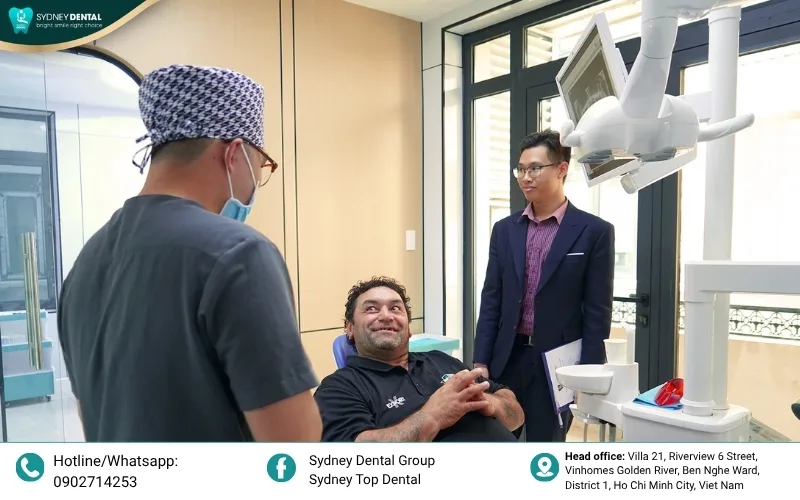
This professional diagnostic phase is essential to identify the exact degree of resorption before recommending any treatment. By using 3D technology, your doctor can minimize surgical risks and ensure the highest precision for grafting or implant procedures.
Learn more: Sydney Top Dental Review: Real Smile Transformation Story
6. Conclusion
Taking control of your jawbone health is the most effective way to maintain a functional, beautiful, and youthful smile. Regular dental check-ups are vital to catch early signs of bone loss before they result in more extensive and costly damage. We highly encourage you to schedule an appointment with our team of specialists for a thorough professional assessment today.
If you are considering dental tourism, Sydney Top Dental is the premier choice, recognized as the first official ZAGA Center in Vietnam. Under the expert leadership of Dr. Hai, we utilize world-class techniques to provide you with the most advanced and reliable implant solutions available. Contact our clinic today to start your journey toward a healthier and more confident smile.
Sydney Top Dental
📍 Address: No. 21, Riverview 6 Street, Vinhomes Golden River Villas, Ben Nghe Ward, District 1, Ho Chi Minh City
📞 Hotline: 090 271 42 53
🌐 Facebook: Sydney Top Dental


Our Doctors
Get a Free Initial Consultation