
- 1. Why does tooth loss lead to jawbone resorption?
- 2. Can dental implants be performed with bone loss?
- 3. Solutions to support dental implants during bone loss
- 4. Clinical procedure for dental implants with bone loss
- 6. Important notes to prevent bone loss around implants
- 7. What is the cost of dental implants with bone loss?
- Conclusion
Tooth loss often leads to a significant reduction in jawbone density, causing concerns for those seeking restorative treatments. Many patients worry that they are no longer candidates for dental implants once the bone has started to deteriorate. However, modern oral surgery offers advanced techniques that make permanent tooth replacement possible even for those with severe bone resorption.
1. Why does tooth loss lead to jawbone resorption?
Understanding the physiological relationship between teeth and bone structure is essential for long-term oral health. When a tooth is removed, the vital stimulation required to maintain bone mass is lost.
1.1. The biological mechanism of maintaining bone density
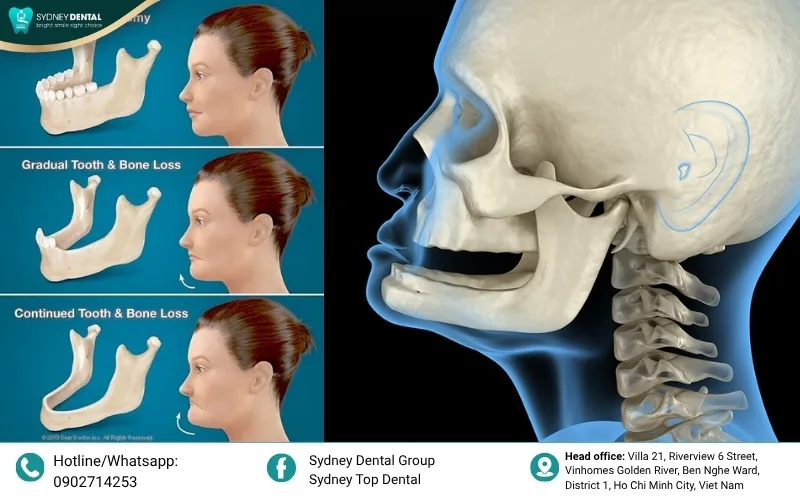
Alveolar bone requires constant mechanical stimulation from the teeth to stay healthy and dense. This stimulation occurs through the pressure of chewing, which signals the body to continue supplying nutrients to the area. Without this natural load, the body begins to reabsorb the minerals from the jawbone for use elsewhere.
This process of resorption can begin as early as six months after a tooth is extracted. Over time, the height and width of the jawbone decrease significantly, making the facial structure look sunken. Dental implants are the only restoration method that can halt this process by mimicking a natural tooth root.
1.2. Levels of bone loss: Horizontal and vertical resorption
Horizontal bone loss refers to the reduction in the width or thickness of the alveolar ridge. This type of resorption often happens first, making the bone too narrow to support the diameter of a standard implant. Doctors must evaluate the remaining width carefully before proceeding with any surgical placement.
Vertical bone loss involves the reduction in the height of the jawbone, which is often more challenging to treat. If the bone height is insufficient, the implant may not have enough vertical stability to withstand biting forces. Both dimensions are critical factors in determining the success of the osseointegration process.
1.3. Consequences of bone loss
Ignoring bone resorption can lead to a variety of systemic and aesthetic issues that affect your quality of life. Beyond the immediate loss of a tooth, the structural integrity of the entire face may be compromised. These changes often occur gradually but result in permanent damage if not addressed.
- Early aging
Bone loss leads to a collapsed facial appearance, often resulting in premature wrinkles and a sagging jawline. This structural change makes individuals look significantly older than their actual biological age. - Shifting teeth
When bone density decreases, neighboring teeth lose their support and begin to tilt or drift into the empty space. This shifting disrupts the bite alignment and increases the risk of further tooth loss in the future. - Decreased chewing function
A weakened jawbone makes it difficult to chew tough or crunchy foods, leading to dietary restrictions and nutritional deficiencies. Without a stable foundation, the overall efficiency of the digestive system can be negatively impacted.
2. Can dental implants be performed with bone loss?
Modern dentistry has developed several sophisticated protocols to address bone deficiency before or during implant placement. Patients who were once told they could not have implants are now successfully treated every day. These advancements ensure that nearly everyone can regain their smile regardless of their current bone status.
The primary goal is to create a stable foundation that can support the implant and withstand functional pressure. This is achieved through regenerative procedures that encourage the body to grow new, healthy bone tissue. Surgeons utilize 3D imaging to plan these procedures with extreme precision for optimal safety.
Success depends on several critical factors, including the patient’s overall health and the quality of the surgical intervention. The bone must be able to fuse with the titanium post through a process called osseointegration. Once this bond is established, the implant becomes a permanent part of the anatomy.

3. Solutions to support dental implants during bone loss
Surgeons now utilize various bone augmentation techniques to restore the necessary volume for successful implant surgery. These procedures are tailored to the specific type and location of the bone deficiency.
3.1. Bone Grafting
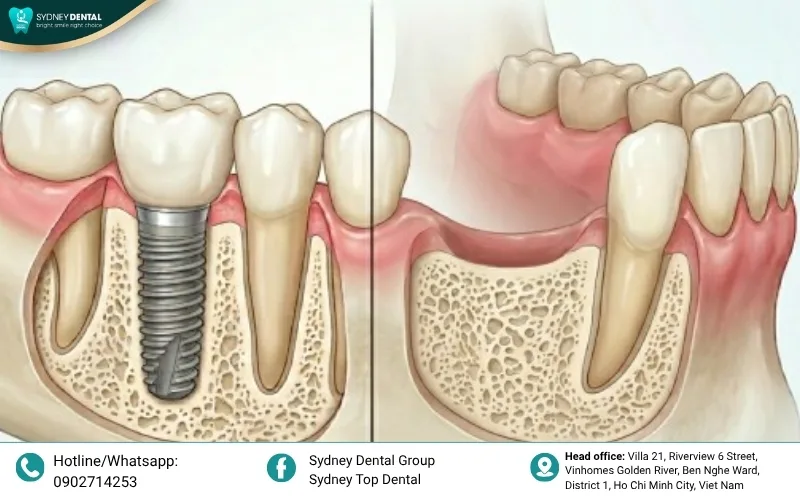
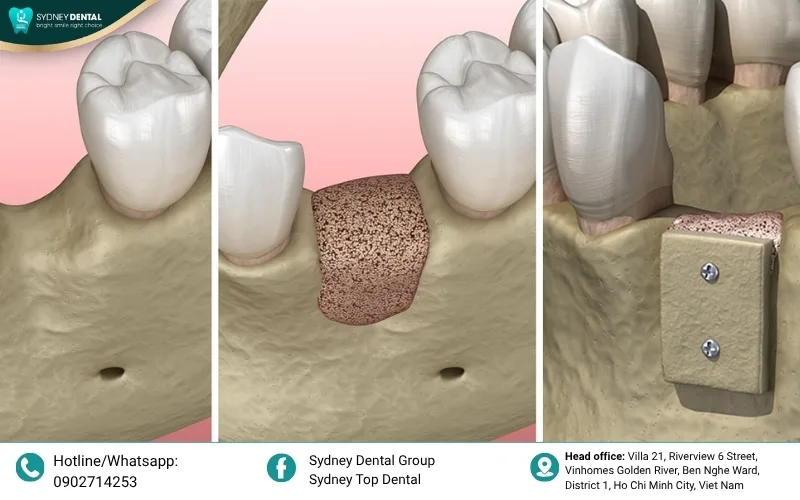
Bone grafting is a highly effective procedure used to rebuild the jawbone by adding supplemental material to the affected site. This material acts as a scaffold, allowing the patient’s natural bone to grow and fill in the gaps. It provides the necessary density required to anchor a dental implant securely.
- Autograft: Autografts involve harvesting bone from the patient’s own body, typically from another area of the jaw or hip. Because it is the patient’s own tissue, this method offers the highest success rate for regeneration. It contains live cells that significantly accelerate the healing and integration process.
- Allograft: Allografts use processed bone tissue from a human donor, which is thoroughly screened for safety and compatibility. This method eliminates the need for a second surgical site on the patient’s body to harvest bone. It serves as an excellent framework for natural bone cells to migrate and rebuild the area.
- Synthetic Bone: Synthetic bone materials are laboratory-created substances designed to mimic natural bone structure. These materials are biocompatible and provide a stable platform for new bone growth over time. They are often used when patient-derived or donor bone is not the preferred option.
3.2. Sinus Lift
A sinus lift is a specialized procedure for patients needing implants in the upper jaw where bone height is often limited. This surgery involves gently lifting the sinus membrane to make room for additional bone graft material. It ensures there is enough vertical space to accommodate the length of the implant.
- Internal Sinus Lift: An internal sinus lift is a less invasive technique performed when only a small amount of extra bone is needed. The surgeon accesses the sinus through the same hole created for the implant placement. This method typically results in faster healing times and less postoperative discomfort for the patient.
- External Sinus Lift: An external sinus lift is used for more severe cases where a significant amount of bone height must be added. The surgeon creates a small window in the side of the jawbone to access and lift the sinus membrane. This approach allows for the placement of a larger volume of bone graft material.

3.3. Ridge Expansion
Ridge expansion is a technique used when the jawbone is too narrow to hold a standard dental implant. The surgeon carefully divides the bone to create a wider space for the titanium post. This procedure immediately increases the horizontal width of the ridge to ensure stable placement.
In many cases, the implant can be placed during the same session as the ridge expansion. This reduces the total number of surgeries required and shortens the overall treatment timeline. Proper surgical skill is required to ensure the bone remains healthy during the expansion.
- Bone Splitting: The bone splitting technique uses specialized instruments to expand the ridge without removing any existing bone tissue. This method preserves the natural bone while creating the necessary architecture for the new dental restoration. It is an ideal solution for patients with adequate height but insufficient bone width.
3.4. Solutions for full-arch bone loss
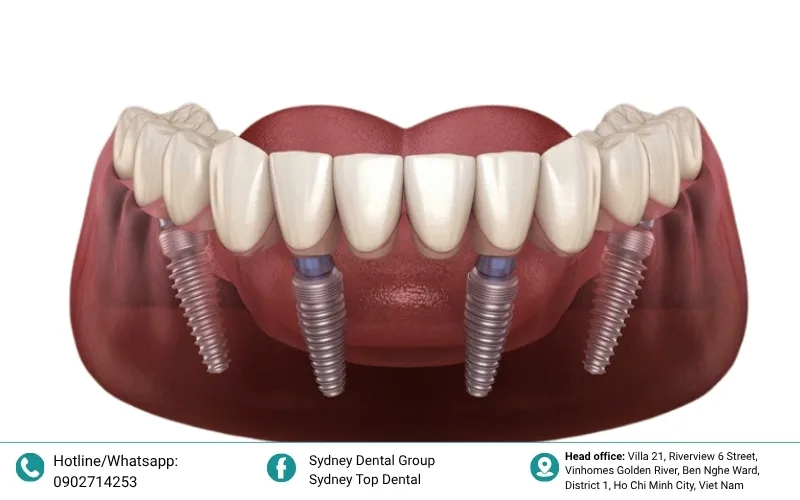
Patients missing all their teeth often face extensive bone loss across the entire upper or lower arch. Modern full-arch solutions like All-on-4 and All-on-6 are designed to bypass the need for extensive bone grafting. These systems provide a stable, fixed bridge using only a limited number of strategically placed implants.
By tilting the posterior implants, surgeons can utilize the densest available bone in the jaw. This technique maximizes the contact area between the bone and the implant for superior stability. Most patients can receive a temporary set of teeth on the same day as the surgery.
All-on-4 and All-on-6, these techniques use four or six implants to support a complete arch of prosthetic teeth with high durability. They are specifically engineered to provide immediate function and aesthetics for patients with moderate to severe bone resorption. This approach significantly reduces the cost and complexity of full-mouth rehabilitation.
3.5. Zygomatic Implants – Advanced Solutions for Long-Term Bone Loss
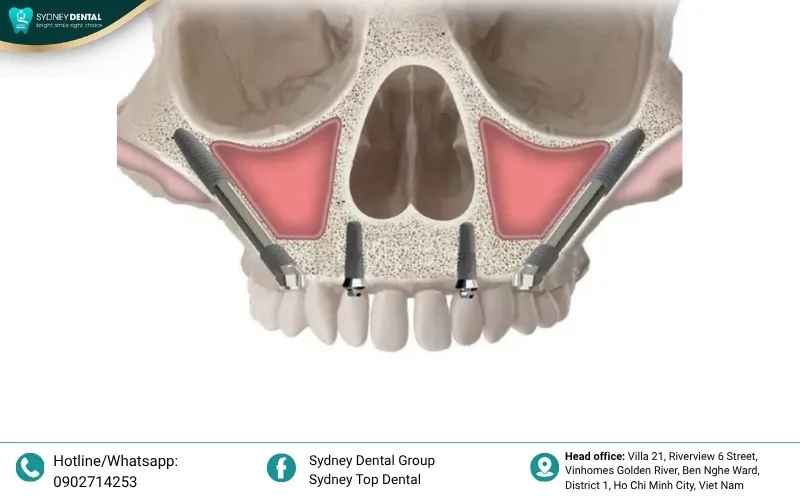
Zygomatic implants are an advanced alternative for patients who have suffered extreme bone loss in the upper jaw. Unlike traditional implants, these are anchored in the zygomatic bone, commonly known as the cheekbone. This bone is much denser and does not resorb like the alveolar bone in the jaw.
This procedure allows patients to avoid complex sinus lifts and extensive bone grafting entirely. It provides a life-changing solution for those who have been told they are not candidates for traditional dental implants. Many patients travel to specialized centers to receive this high-level surgical care.
Sydney Top Dental is a premier destination for international patients seeking expert zygomatic implant procedures. Dental tourism in Vietnam has become a popular choice, with comprehensive full-arch treatments starting from just $20,000 USD. This provides world-class quality at a fraction of the cost found in many Western countries.
4. Clinical procedure for dental implants with bone loss
The process for treating patients with bone loss requires a multi-stage clinical approach to ensure long-term stability. Each step is carefully planned using advanced digital technology to minimize risks and maximize surgical success.
- Step 1: Initial consultation. This involves a comprehensive oral examination and high-resolution 3D CT Cone Beam imaging. These scans allow the surgeon to measure exact bone density and map out critical anatomical structures.
- Step 2: Bone augmentation. If bone volume is insufficient, the surgeon performs the necessary bone grafting or sinus lift procedures. This stage focuses entirely on building a robust foundation for the future tooth.
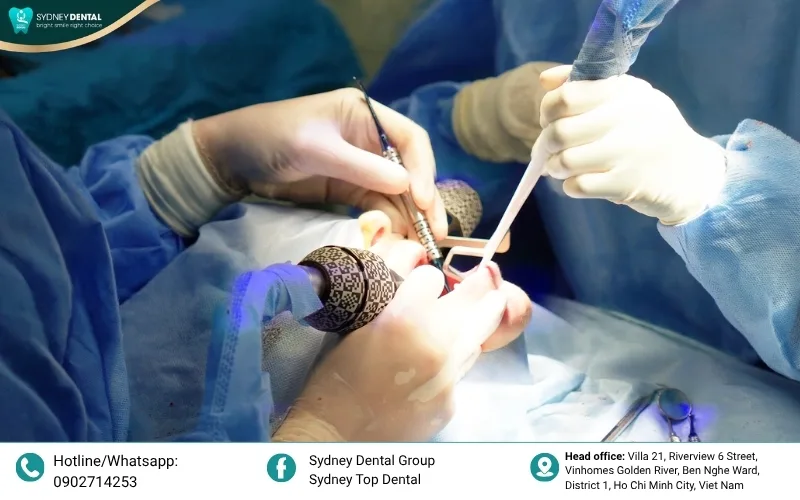
- Step 3: Implant placement. The titanium implant is surgically placed into the prepared site under local anesthesia or sedation. The surgeon ensures the post is positioned at the correct angle and depth for maximum stability.
- Step 4: Osseointegration. This is the phase where the jawbone grows around and fuses with the implant surface. This process typically takes three to six months depending on the patient’s healing capacity and bone quality.
- Step 5: Final restoration. Once the implant is fully integrated, a custom-made porcelain crown or bridge is attached to the post. The result is a fully functional and aesthetic smile that lasts for decades.
6. Important notes to prevent bone loss around implants
Maintaining the health of the bone surrounding your new implant is vital for its long-term survival. Proper aftercare and monitoring can prevent complications that lead to implant failure or further resorption.
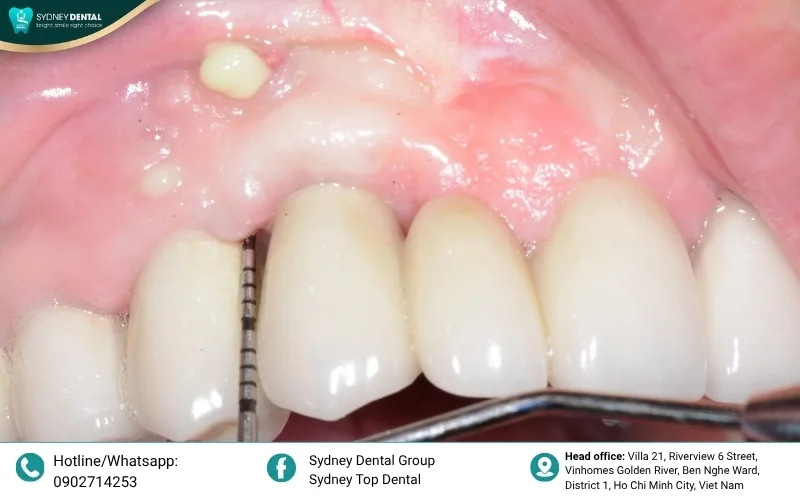
- Signs of Peri-implantitis: Watch for redness, swelling, or bleeding around the implant site, as these are early signs of inflammation. If left untreated, this condition can cause rapid bone loss and eventually lead to the loss of the implant.
- Oral Hygiene: Daily brushing and flossing with specialized tools are necessary to remove plaque and bacteria from the implant surface. Professional cleanings help maintain the integrity of the gum seal and protect the underlying bone structure.
- Regular Check-ups: Routine visits to the dentist allow for the early detection of any structural changes or mechanical issues. Regular X-rays help the doctor monitor the bone levels and ensure the implant remains securely integrated.
7. What is the cost of dental implants with bone loss?
The total investment for dental implants when bone loss is present depends on several clinical factors and the materials used. Patients should consider the long-term value of a permanent restoration versus the ongoing costs of temporary solutions.
The final price is influenced by the type of implant brand, the volume of bone graft material required, and the complexity of the surgery. Advanced procedures like sinus lifts or zygomatic implants will naturally increase the overall treatment estimate.
Conclusion
Addressing bone loss through modern dental implant techniques offers a permanent solution to tooth loss and facial aging. Seeking early intervention and consulting with a high-skilled specialist is the best way to ensure a successful and predictable outcome. By choosing a reputable clinic, you can restore your confidence and enjoy the benefits of a healthy, functional smile.


Our Doctors
Get a Free Initial Consultation